 Contact
  Account


Mexico has always been a popular destination for retirees, digital nomads, and travelers for years. You most likely are attracted to Mexico for its landscapes, food, people, weather, and lower cost of living. One of the most frequently asked questions is, “Is Mexico Safe?”
And I fully understand why.
If you Google “Is Mexico Safe?” out of the first 10 search results, half of them will likely be about cartel violence. But Mexico is a LARGE country, and even though the violence is seen mostly in specific areas of Mexico, the media doesn’t make that distinction, often ignoring that Mexico is not a third world country and has many modern, safe regions. Some of the most dangerous regions are in the areas south of certain states, such as south of Lake Chapala in Jalisco and the south of Guanajuato, where security concerns, violent crime, and drug trafficking activity are more prevalent.
So, this effectively causes fear and concern that if you move to Mexico, you’ll end up in harm’s way. But again, Mexico is a very large country. And you shouldn’t write off an entire country because certain areas are considered risky territory—especially if you’re traveling by car and need to know about Banjercito offices for your temporary import permit.
Since 2019, I’ve written over 250 blog posts and published over 150 videos on our Mexico Relocation Guide YouTube channel. I’ve interviewed dozens of foreigners living in Mexico who share their experiences, learnings, and advice for newcomers.
In those interviews, I always ask our guests if they have ever felt unsafe in Mexico. I know it’s one of the main questions people have in mind when researching this country. Not a single person has told me they felt unsafe.
And even though I am not a crime stats authority and far from being a cartel expert, I can tell you that a lot of the news is sensationalized. However, it’s important to note that not all parts of Mexico are equally safe. So these are the top cities in Mexico I would NOT live in.
These are based on crime stats, my opinion, and an overall sense of safety. I still recommend you do your own due diligence, like taking a Mexico relocation tour for you to asses how a city or cities feel to YOU and comparing that with your budget using our guide on the cost of living in Mexico.
Introduction to Safety in Mexico
Let me tell you something about Mexico – it’s this incredible, vast country that’ll blow your mind with everything it has to offer! I’m talking bustling cities that never sleep, beaches so gorgeous you’ll think you’re dreaming, and those charming colonial towns that make you feel like you’ve stepped back in time. And you know what? Millions of visitors fall head-over-heels for this vibrant culture and natural beauty every single year. But here’s the thing I want to be upfront about – safety conditions can vary quite a bit from one region to another, and travelers should exercise a high degree of caution in Mexico because of high levels of criminal activity and kidnapping. It’s just the reality, and I think it’s super important to be honest about this! The Mexican government and local authorities are working their butts off to enhance security, especially in those areas where international travelers love to hang out.
Now, don’t let that scare you away because popular tourist destinations like Mexico City, San Miguel de Allende, and Puerto Vallarta? They’re generally considered really safe for visitors! Armed robbery can still occur in urban areas, so it’s smart to stay alert even in well-known destinations. I’m talking robust police presence and well-developed infrastructure that’ll make you feel right at home. However, just like with any major travel destination (and trust me, I’ve been around!), it’s wise to exercise some increased caution and stay informed about what’s happening. Here’s what I’ve learned – violent crime tends to be concentrated in specific regions, and honestly? Most tourist areas remain completely unaffected by all of that. By staying alert and following local advice, you can absolutely enjoy all that Mexico has to offer while keeping those potential risks to a minimum. It’s all about being smart and embracing this amazing country for what it truly is!
Culiacan, Sinaloa
Culiacan is situated in the state of Sinaloa. A state known for having some of the strongest cartels in Mexico. Because of this, Culiacan has recently seen a surge in the levels of cartel turf wars.
Violent clashes occur regularly between rival armed groups in the State of Sinaloa, contributing to the region’s instability and danger.
I would avoid traveling to and staying in Culiacan for the time being. In fact, many local businesses have closed because there has been so much cartel fighting that locals fear to go about their daily lives.
Tijuana, Baja California
Let’s start with Tijuana, ranked as the most dangerous city in Mexico.
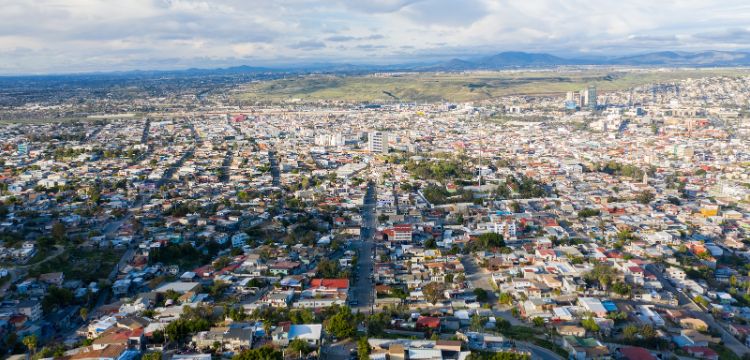
Tijuana is one of the most unsafe cities in Mexico- despite this, I would still drive through TJ to get to other cities in Mexico.
Its exceptionally high rates of homicides and drug-related violence have earned it this infamous title. With a shocking homicide rate of 138 per 100,000 people, Tijuana is a hotbed of cartel activity, serving as a primary entry point for drugs from South America.
Its proximity to the United States border has made it a significant hub for human trafficking and organized crime. Armed robbery occurs frequently in Mexico’s urban areas, including Tijuana, and is a significant risk for both locals and travelers. Surprisingly, Tijuana also holds the unfortunate distinction of being the most hazardous city in the world based on homicide rate statistics.
As with all border towns, Tijuana has had the misfortune of being stuck between the highest consumer of drugs to the North (the U.S.A.) and the highest producer of drugs to the South (Colombia).
And even though I think driving through Tijuana to get to the rest of Baja California is generally safe, I wouldn’t want to live here. It’s also important to note that throughout Mexico, travelers are advised to avoid nighttime travel and to stick to major toll roads (cuotas).
Fresnillo, Zacatecas and Violent Crime
Fresnillo, Zacatecas, has unfortunately gained a reputation as one of Mexico’s most dangerous cities, making it a place many might consider avoiding when choosing a location to live in.
The city has been plagued by high crime rates, particularly related to organized crime and violence, which have led to a pervasive sense of insecurity among its residents. Fresnillo’s location along key trafficking routes contributes significantly to the violence and insecurity experienced in the area.
Despite its rich cultural heritage and historical significance, the ongoing safety concerns overshadow these aspects, making Fresnillo a less desirable option for those seeking a peaceful and secure environment to call home.
Ciudad Victoria, Tamaulipas
Ciudad Victoria in Tamaulipas is notorious for its violence, with a homicide rate of 86 per 100,000 people. A town that I used to visit very frequently when I was little because half of my grandmother’s family is from here. But that was 20 years ago.
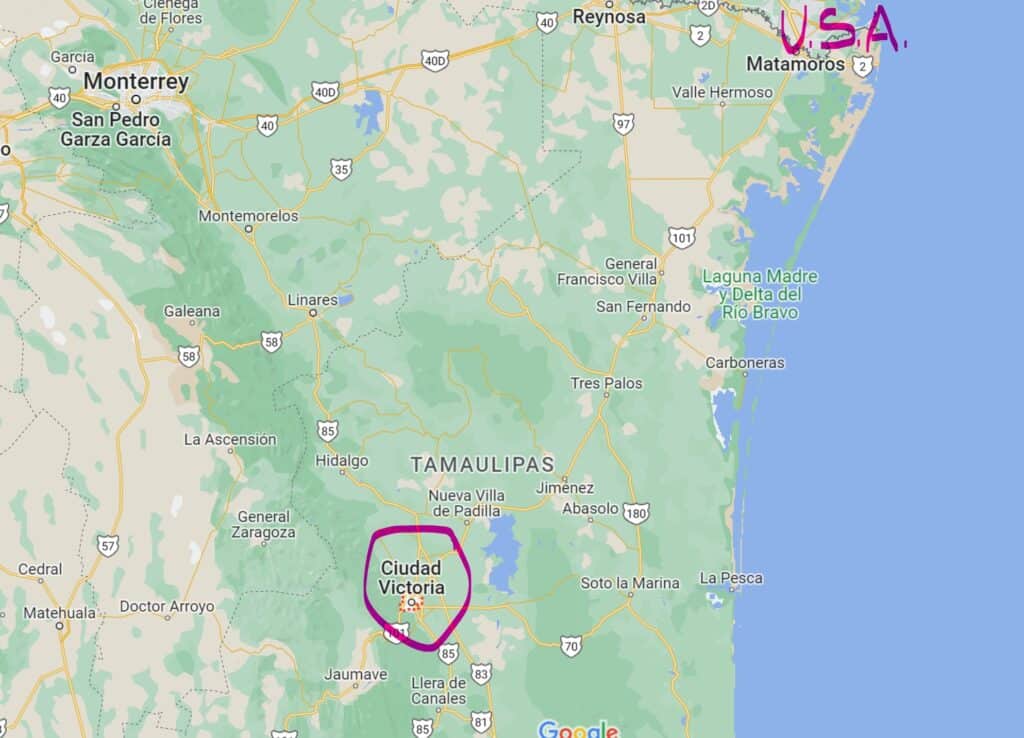
Today, Ciudad Victoria is another hotspot for drug-related violence and holds strategic importance as a gateway city beyond the U.S. border.
Northeast Cartel actively conducts operations in this city, which contributes to its volatile nature. The state of Tamaulipas is considered dangerous due to the presence of many criminal groups, which contribute to ongoing violence and instability.
Ciudad Juarez, Chihuahaua
Ciudad Juarez, another border city, stands in close proximity to El Paso on the U.S. side of the Rio Grande. El Paso is another city I wouldn’t want to live in, but that’s a different story.
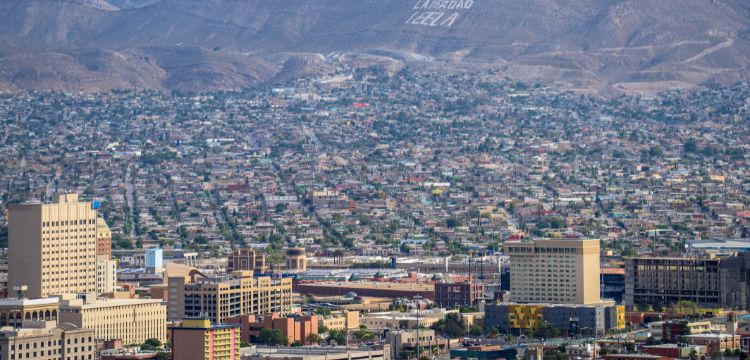
It is recognized as one of the most violent cities in Mexico, boasting a homicide rate of 86 per 100,000 people. Ciudad Juarez has experienced a significant influx of drug trafficking and has witnessed a surge in violence due to ongoing turf wars between the Juarez and Sinaloa cartels. The city has also seen a rise in targeted killings linked to conflicts between organized crime groups, increasing risks for both residents and visitors.
These powerful cartels maintain a tight grip on Ciudad Juarez, making it an exceedingly perilous place for tourists.
Irapuato, Guanajuato
Now, let’s shift our focus to Irapuato, located in the central state of Guanajuato.
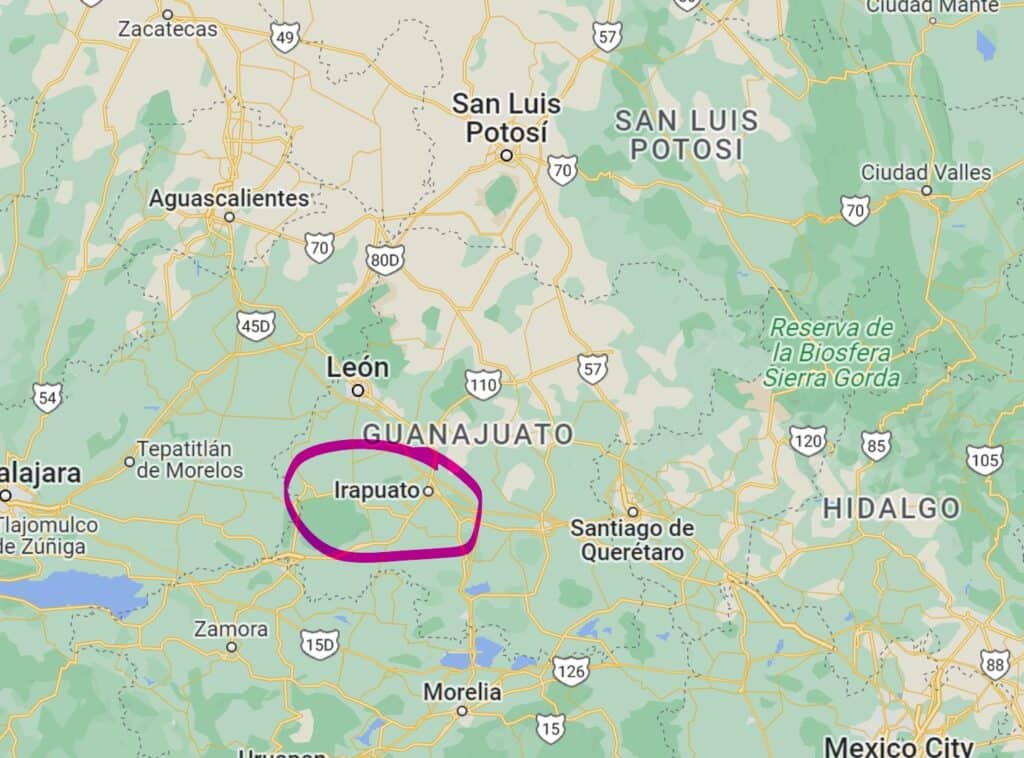
Over the past three years, Irapuato has experienced a drastic surge in homicides resulting from drug-related violence. Its current homicide rate stands at 81 per 100,000 people, making it unsafe not only for tourists but also for local residents.
The violence in Irapuato is largely attributed to the ongoing turf wars between the Jalisco Cartel New Generation and the Santa Rosa de Lima Cartel.
Organized crime activity is rampant in major cities like Celaya and Irapuato, which are known for higher levels of violence and insecurity. However, it’s important to note that Guanajuato City, while located in the same state, is considered totally safe for tourists and remains a popular destination. Many travelers report positive experiences and hospitality in Guanajuato City, which benefits from better infrastructure and public safety measures compared to other major cities in the state.
The U.S. State Department classifies the entire state of Guanajuato as a danger zone due to crime and violence. Despite this, Guanajuato City itself is generally safe for visitors, and most tourists do not encounter serious safety issues when visiting the city.
Celaya, Guanajuato
Similarly, Celaya has also witnessed a surge in crime rates, including homicides, robberies, and extortion.
The city has become a focal point for criminal organizations, resulting in frequent clashes between rival gangs. Areas south of the federal highway 45D, including Celaya, Irapuato, and Salamanca, are generally advised against for travel. This has led to an atmosphere of insecurity and compromised the quality of life for residents. This is unfortunate because I consider Celaya to be a pretty city overall.
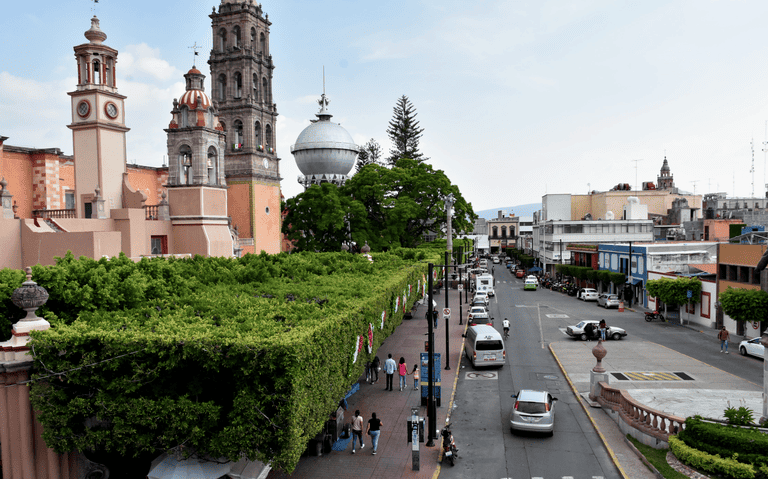
The presence of cartels and their illicit activities has created a sense of unease and has made living in Celaya risky.
However, one of the safest cities in Mexico is about an hour away- San Miguel de Allende. A picturesque town in Mexico that attracts thousands of tourists each weekend. But if you look at the U.S. State Department’s Site, the entire state of Guanajuato is classified as a danger zone.
I encourage you to do more research and not write off an entire state or country because of the U.S. State Department’s Advice.
Uruapan, Michoacan
Starting with Uruapan, it has experienced a notable increase in crime rates, particularly related to drug trafficking and organized crime.
The city has struggled with cartel activity and turf wars, leading to increased violence. Homicide rates in Uruapan have been alarmingly high, creating an environment of fear and instability. This has prompted many residents to reconsider living in the city and seek safer alternatives.
And yet, an hour down the highway is Patzcuaro- a colonial town tucked in the hills with great year-round weather and a safe city many foreigners have fallen in love with, similar in feel to other safe, affordable cities like Aguascalientes.
Tapachula, Chiapas
Tapachula, located in the southern state of Chiapas, is another city that many might think twice about when considering a place to live due to its significant security challenges.
The city has recently faced a growing crime rate, exacerbated by its position as a major transit point for migrants traveling northward.
This situation has led to an increase of locals leaving their city and seeking safer places in the north of Mexico.
Residents and visitors alike often express concerns about safety, as the city’s proximity to the Guatemalan border adds layers of complexity to the security issues. While Tapachula is rich in natural beauty and cultural diversity, the ongoing struggles with crime and instability make it a less appealing option for those prioritizing safety and security in their living environment.
Safety Precautions
You know what? I want to share some really important safety tips with you if you’re planning a trip to Mexico. And trust me, I’m not trying to scare you away – Mexico is absolutely incredible! But I’ve learned over the years that a little preparation can make all the difference between a good trip and an amazing one.
Here’s what I always tell my friends and family when they’re heading to Mexico:
- Don’t go wandering off into remote areas by yourself, especially once it gets dark! I know it might seem adventurous, but stick to the well-traveled paths. There’s plenty of excitement to be found on the beaten track, believe me.
- Use official taxis or those app-based rides like Uber.
- Keep your valuables tucked away and out of sight. When you’re hitting up the ATM, pick one that’s well-lit and busy. I can’t tell you how many times I’ve seen tourists flash expensive stuff around without thinking twice about it.
- Stay in the loop with what’s happening locally! Check those government websites, read the local news, and chat with your hotel staff, and make use of must‑have apps for living in Mexico. They’re usually amazing sources of current information about what’s going on in the area.
- Leave the fancy jewelry and expensive gadgets at home, or at least don’t show them off. I know your new watch is gorgeous, but Mexico isn’t the place to debut it in crowded areas or public transport.
- Keep your head up and stay aware, especially in tourist hotspots and busy markets. I love these places – they’re full of life and energy – but they’re also where you need to be most alert.
- Listen to local authorities and avoid areas they tell you to stay away from. These folks know their neighborhoods better than any guidebook ever will.
- Get yourself some travel insurance that covers medical evacuation. I really can’t stress this enough! Healthcare can be limited in some areas, and you don’t want to be caught unprepared, especially once you understand how healthcare in Mexico works and what to expect.
- Respect Mexican laws, particularly when it comes to anything drug-related. The penalties here are serious, and it’s just not worth the risk, just as understanding Mexican cultural no‑nos and etiquette expectations will help you avoid unnecessary problems.
- Sign up for your government’s travel program – you know, the one that sends you updates and safety info. It’s like having a safety net that keeps you informed about your specific destination.
By following these simple tips and staying aware of what’s happening around you, you’re going to have such an incredible time in Mexico! I promise you, this country has so much to offer, and a little preparation just means you can focus on enjoying every amazing moment instead of worrying. Trust me on this one – Mexico is going to steal your heart!
Where Would I Live? Where Is Safe for Travel Plans?
Despite having a list of cities in Mexico I wouldn’t want to live in, there are dozens and dozens more I would move to in a heartbeat. And I assure you that I will NEVER recommend a city or town I wouldn’t personally live in or visit.
Having said that, no city or country in the world is 100% safe. You could be at the wrong place at the wrong time—even in some of my favorite cities in Mexico, which I deem safe. Petty crime, such as pickpocketing and purse snatching, is common in Mexico, and kidnappings, including express kidnappings, occur frequently throughout the country. Illegal roadblocks are common, particularly in areas with organized crime, and the military and federal police have been deployed in some parts of Mexico to combat organized crime. Violent crime still occurs in major cities and popular tourist areas despite efforts to improve security, and tourists have been victims of physical and sexual assaults, including at popular destinations.
Some of our favorite cities include Mexico City (my hometown), Chapala, Atlixco, Puerto Vallarta, Guadalajara, Guanajuato, Queretaro, Huatulco, Merida, Los Cabos, Todos Santos, Rosarito, La Paz, Playa del Carmen, and regions like Baja California Sur, the Pacific Coast, the Caribbean Sea, and Estado de Mexico… and the list goes on and on. In major cities, amenities such as private hospitals and ambulance services are more readily available, while in rural areas these services may be limited, so it’s wise to research neighborhoods carefully and learn how to find the best rentals in Mexico like a local. The historic center in major cities is often a safe and culturally rich area to explore, but always stay aware of your surroundings.
In fact, I made a list of the top places to live in Mexico– and the cities on this list are places I would recommend living in.
However, the purpose of the Mexico Relocation Guide isn’t for you to base your decisions on my personal opinions; I give you my opinions based on my research of facts so you can do your own research and form your own opinions. Foreign nationals may face unique risks in high-crime areas, so it is important to stay informed and cautious.
This is why our customers love our private Mexico Relocation Tours. A personalized one-on-one tour with a local who can show you what living in a specific city is actually like. No one will experience a city like you will in Mexico.
I encourage you to do your own due diligence and scout an area you’re interested in to determine whether it is the right place for you, including spending time in different neighborhoods so you understand what everyday noises in Mexico are like before moving. It is advisable to travel during daylight hours in Mexico to enhance safety, use reputable hotels, avoid traveling alone in rural areas, and report any crime immediately to local authorities. Always stay aware, especially when withdrawing money, using taxis, or visiting crowded areas, as criminals may target tourists for robbery or other crimes.