 Contact
  Account


Moving to Mexico can be simple, but it is rarely automatic. Relocating to Mexico requires careful legal and financial planning, especially if you want residency, housing, healthcare, and money systems set up the right way. This Mexico Relocation Guide gives you the practical overview most expats need before making a new life south of the border.

Quick Start: How to Use This Complete Mexico Relocation Guide
If you are asking, “Can I really relocate, and what will it cost?” start with the five pillars below.
- Residency visas: Expats need a visa to work or reside in Mexico, unless they are only visiting short term.
- Cost of living: Many expats live comfortably on a budget of $2,000 to $2,500 USD per month, especially outside the most expensive neighborhoods.
- Housing: Rent first, compare areas, then consider buying.
- Healthcare & health insurance: Public and private options exist, but planning matters.
- Banking/money: A local bank account, exchange rates, taxes, and transfer fees all affect your budget.
As a quick comparison, a couple in many mid-tier cities can often live well on $1,500–$2,500 USD monthly in 2026, while a similar lifestyle in the U.S. or Canada may cost much more. Mexico City costs more, but still offers strong value compared with major North American cities.
The Complete Mexico Relocation Guide® helps readers avoid costly mistakes with updated step by step details, vetted contacts across Mexico, relocation tours, and practical checklists.
The rest of this post goes deeper into Mexico city, beach towns, colonial towns, and the process of living in Mexico with confidence.
Why So Many Expats Are Moving to Mexico in 2025–2026
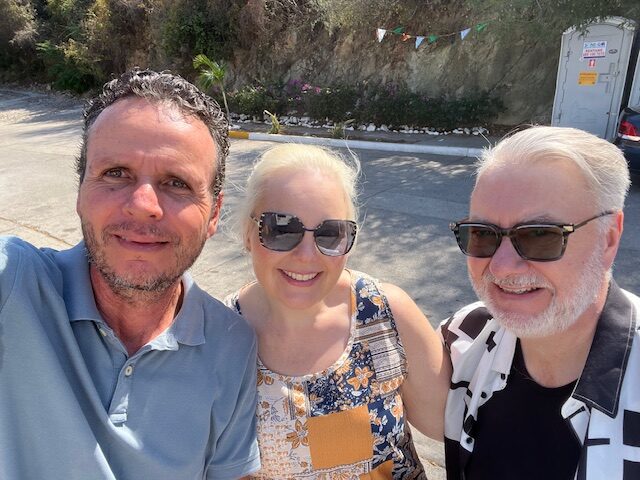
Post-2020, expat life in Mexico has grown because remote work, early retirement, and rising costs in the U.S. and Canada changed the idea of where people can live.
- Proximity is a major advantage. Flights from Dallas, Los Angeles, and Toronto to Mexico City, Mérida, Puerto Vallarta, or Cancún are often 3–5 hours.
- Mexico offers lower rent, groceries, healthcare, services, and street food compared with many U.S. and Canadian cities. Groceries in Mexico are generally cheaper than in the U.S.
- The country has beaches, mountains, desert cities, colonial history, rich cultural heritage, and both cool highlands and tropical and hot weather.
- Digital nomads and young professionals are choosing Mexico city, Playa del Carmen, Puerto Vallarta, and Oaxaca for coworking, cafés, and community.
- Mexico offers various short- and long-term residency visas, and the difference between temporary and permanent residency affects bank accounts, work, and long-term stability.
Mexico Relocation Guide focuses on nationwide, current research instead of assuming one city fits every person.
Residency Visas & Legal Basics for Living in Mexico
Visa rules changed significantly in 2021–2023, and consulates continue tightening paperwork standards in 2026.
- The main options are Visitor status, Temporary Resident, and Permanent Resident. The Temporary Resident Visa allows living in Mexico for four years. The Temporary Resident Visa allows living in Mexico for four years before renewal limits require another step.
- Visa applications are submitted at the nearest Mexican consulate, and expats must apply for residency visas through a Mexican consulate in most standard cases.
- In 2026, temporary residency often requires roughly $1,700–$2,000 USD monthly income or about $28,000–$32,000 USD in savings, though each consulate can interpret rules differently.
- Permanent residency usually requires higher income or savings, retirement-based approval, family ties, or time in-country. Permanent residency can be applied for after four years on a temporary visa.
- The process usually starts with a consulate appointment, then entry to Mexico, then finalizing your residency card at INM.
- Work permits must be obtained from the National Immigration Institute, and working without the correct authorization can cause problems.
- Common mistakes include overstaying, trusting Facebook rumors, using outdated blogs, or choosing the wrong consulate.
Vetted immigration facilitators inside Mexico Relocation Guide help with appointments, translations, paperwork, and INM visits.
Cost of Living in Mexico: What It Really Costs in 2026
Cost of living depends heavily on city, neighborhood, exchange rate, and lifestyle.
| Lifestyle | Typical monthly cost |
|---|---|
| Single person, mid-tier city | $1,100–$1,600 USD |
| Couple, Mérida or Querétaro style budget | $1,800–$2,500 USD |
| Single person, Mexico City central areas | $1,300–$1,900 USD |
| Couple in premium expat areas | $2,500+ USD |
Main living costs include rent, utilities, groceries, dining out, transportation, mobile/internet, healthcare, and health insurance. In Mexico City, rent may take the largest share of a budget, while utilities and public transport are often affordable.
Tourist hotspots like Tulum, Sayulita, Cancún, and parts of playa del carmen can cost more than less touristy cities like Puebla, León, Aguascalientes, or Querétaro. Merida, Cancun, and Tulum are popular expat destinations in Mexico, but popularity does not always mean best value.
If you earn dollars or Canadian dollars and spend in mexican peso, exchange-rate swings matter. Some landlords quote rent in USD; negotiating in pesos can protect your money. Our Complete Mexico Relocation Guide® includes city-by-city cost of living snapshots updated at least quarterly.
Mexico City Focus: Neighborhoods, Lifestyle & Living Costs
Mexico City is the largest city in the country, with over 350 distinct neighborhoods, international flights, museums, restaurants, medical care, jobs, and a thriving expat life.
- Condesa and Roma are trendy neighborhoods for expats, with cafés, parks, nightlife, and walkability.
- Polanco is a top expat district in Mexico City. Polanco is a top expat district in Mexico City for upscale housing, restaurants, shopping, and private healthcare.
- Coyoacán offers a mix of tradition and modernity for expats. Coyoacán offers a relaxed atmosphere for expats, especially those who want charm without the pace of Roma or Polanco.
- Santa Fe is ideal for expats working in the corporate sector.
- Interlomas is known for modern housing developments and international schools. Interlomas is known for its international schools and modern housing.
In central areas, 1-bedroom apartments may run around $1,000–$1,100 USD, while 2-bedroom homes can vary widely by amenities and location. Housing costs vary significantly across Mexico’s neighborhoods.
The average monthly salary in Mexico City is Mex $44,600, so foreign-income renters can change local pricing dynamics. Public transportation in Mexico City is affordable and extensive, with Metro, Metrobús, buses, and ride-share apps. Tipping in Mexico City is customary at 10% to 15%.
Choosing Where to Live in Mexico Beyond Mexico City
Mexico is not one lifestyle. Most expats should compare climate, healthcare, airport access, crime data, altitude, walkability, and social fit before choosing.
Popular areas include:
- Mérida: hot weather, safety reputation, growing expat community
- Lake Chapala and Ajijic: retirees, mild weather, established expats living nearby
- San Miguel de Allende: art, history, walkability, higher prices
- Querétaro: business, infrastructure, family-friendly neighborhoods
- Puerto Vallarta and Bucerías: beach living, private healthcare, tourism pricing
- Mazatlán: coastal life with lower costs than some beach towns
- Oaxaca City: food, culture, language schools, rich cultural heritage
- Playa del Carmen: beach, remote workers, higher tourist pricing
Crime statistics can be misleading because certain areas of the same city may feel completely different. Our relocation tours in 60+ cities help new expats compare real neighborhoods before signing a lease.
Housing in Mexico: Renting First, Then Maybe Buying
Renting is recommended before purchasing property in Mexico. A 6–12 month lease lets you experience noise, traffic, weather, water pressure, neighbors, and commute patterns.
- A typical rental agreement is 12 months.
- Landlords often ask for first month’s rent, deposit, and sometimes a fiador, insurance policy, or extra deposit.
- Find rentals through local agents, Inmuebles24, Lamudi, signs on buildings, and Facebook groups with caution.
- Furnished units cost more. “Semi-furnished” may mean appliances only.
- Rental scams exist, especially in big cities and beach markets. Vetted realtors from Mexico Relocation Guide’s directory help reduce risk.
- Foreigners can buy property, but coastal and border areas often require a fideicomiso bank trust.
- Use a notario público and independent attorney before sending serious money.
Also plan what you bring. Importation of secondhand clothes and shoes is strictly prohibited in Mexico, so ask a customs professional before packing household goods.
Healthcare & Health Insurance in Mexico
Healthcare is one of the biggest concerns for retirees, families, and remote workers planning Mexico relocation.
Public healthcare is available to legal expats in Mexico through systems such as IMSS, while private hospitals and clinics are common in major cities. Expats are advised to have private health insurance in Mexico because major medical procedures in Mexico can be costly without insurance.
Private healthcare in Mexico has shorter wait times and better facilities, especially in cities like Mexico City, Guadalajara, Monterrey, Mérida, and Puerto Vallarta. Mexico City offers high-quality healthcare at affordable rates.
Typical private costs in 2026 include doctor visits around $30–$60 USD, specialists around $50–$100 USD, and emergency visits around $200–$500 USD. Private plans may cost $150–$400 USD monthly depending on age and coverage.
Medical tourism is common because dental care, imaging, and surgeries can cost less than in the U.S. or Canada, but insurance planning is still essential for emergencies.
Banking, Money & Managing Finances in Mexico
Opening bank accounts is easier with residency, but branch rules vary.
Major banks include BBVA, Santander, Banorte, HSBC, and Citibanamex. Proof of residency is required to open a bank account in Mexico in many cases, along with a passport, proof of address, residency card, and sometimes RFC tax ID.
Non residents may find branches that open limited accounts, but policies shift. A local bank account helps pay rent, utilities, internet, and services.
For transfers, online services often beat traditional wires on fees and exchange rates. Use ATMs inside bank branches or malls, avoid isolated machines, and watch withdrawal limits.
Bills can be paid in bank apps, at OXXO or 7-Eleven, or by direct debit. Mexican taxes are generally paid monthly and understanding obligations is important, especially if earning abroad while living in Mexico. Consult a cross-border tax professional.
Education & International Schools in Mexico
Families relocating with children often focus on school access before choosing a city.
Options include Mexican public schools, private local schools, bilingual schools, and international schools with IB, U.S., or British curriculum. Strong school markets exist in Mexico City, Guadalajara, Monterrey, Querétaro, Puebla, and Mérida.
Applications may require records, interviews, testing, enrollment fees, and monthly or annual tuition. Many international schools help children learn Spanish while keeping English-language academics.
In Mexico City, school searches often include Santa Fe, Lomas de Chapultepec, Interlomas, and Coyoacán. Our private Facebook community is helpful because parents share current reviews, admissions tips, and real-world feedback.
Learning Spanish & Preparing for Expat Life in Mexico
You can survive in English in some expat pockets, but learning Spanish is crucial for integrating and managing daily tasks in Mexico.
Set a 6–12 month goal: greetings, numbers, directions, medical vocabulary, rental terms, and polite problem-solving. If you speak spanish even at a basic level, daily life becomes cheaper, easier, and warmer.
Use online tutors, spanish lessons, local language schools in Mexico City, Mérida, and Oaxaca, plus language exchanges. Learn spanish with Mexican usage in mind, not only generic latin america vocabulary.
Social etiquette in Mexico values politeness and respect in interactions. Greetings matter, “buenos días” goes far, and patience helps with concepts like “ahorita.” Many expats find it helpful to connect with local communities for support through sports, volunteering, hobby groups, and vetted meetups.
Transportation, Driving & Getting Around Mexico
Transportation depends on where you settle.
In Mexico City, Metro, Metrobús, suburban trains, buses, Uber, Didi, and taxis can reduce the need for a car. In smaller towns or beach areas, a car may be more useful.
Foreign licenses may work temporarily, but long-term residents often get a Mexican driver’s license. If you drive, carry proper insurance; liability coverage is essential.
Intercity travel is strong. ADO and Primera Plus buses are comfortable, and domestic airlines such as Volaris, Aeroméxico, and Viva Aerobus connect the country. On road trips, use toll roads when possible, avoid rural night driving, and rely on real-time navigation.
Avoiding Costly Mistakes During Your Mexico Relocation
The biggest mistakes usually come from rushing.
- Do not sign a long lease or buy property before experiencing at least one season in a city.
- Do not start residency based on outdated blog posts or social media guesses.
- Do not transfer large sums without comparing exchange rates.
- Do not assume U.S. Medicare covers treatment in Mexico.
- Do not skip health insurance or hide pre-existing conditions.
- Do not move everything from home before checking customs rules, furniture costs, and pet import requirements.
- Do not ignore altitude, humidity, tropical and hot weather, or air quality.
A smart expat guide gives you all the information, resources, contacts, and tips in one place so you can act in the right way instead of fixing expensive problems later.
How Mexico Relocation Guide Helps You Move With Confidence
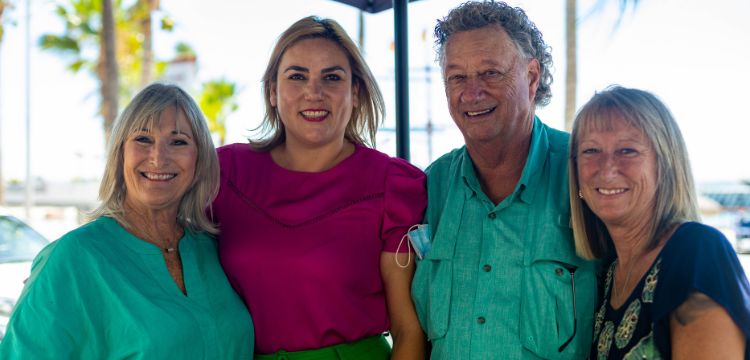
Mexico Relocation Guide is built by expats living in Mexico and updated for 2025–2026 realities.
Inside the Complete Mexico Relocation Guide®, you get step-by-step residency modules, cost of living data, city comparisons, checklists, and practical planning tools.
You also get access to a vetted directory of immigration facilitators, realtors, health insurance brokers, movers, car-import specialists, private drivers, and other services across dozens of towns and cities.
Private relocation tours in 60+ cities help retirees, remote workers, families, and solo movers see neighborhoods before committing. The private Facebook community gives members current recommendations, healthcare feedback, and local meetups.
If you are serious about moving to Mexico, get the Complete Mexico Relocation Guide.