
 Contact
  Account


Like many of our readers, you might be from the U.S. or Canada and planning your move to Mexico. At some point, one of the most important questions you likely have is about your healthcare options in Mexico. And it’s important to do some research and not assume anything. Because you never expect to have an accident or get ill.
Right?
Here are 5 important things you should know about medical care in Mexico.
Healthcare in Mexico and Universal Health Coverage: Is It Really Great?
Yes, we’ve all heard that healthcare in Mexico is fantastic, but it’s also important to note that not every city in Mexico has fully equipped hospitals. Many rural and remote areas face limited access to health care facilities, which can impact timely treatment. This is especially true of smaller cities across Mexico. Usually, the residents of cities that don’t have the best hospitals travel to major cities like Guadalajara, Mexico City, Merida, Queretaro, or Monterrey for major medical care. These cities often offer specialized care and higher quality care compared to smaller towns.
My aunt and uncle were recently involved in a collision with a semi on the highway in Queretaro. My aunt was severely injured and helped to get to the nearest emergency room. Unfortunately for her, there were only two fully equipped hospitals in Queretaro, which was about 1.5 hours away from her accident.
She mentioned that it was a very uncomfortable and long ambulance ride.
Living in charming and small cities like Ajijic, Tulum, Progreso, Puerto Escondido, or can be very relaxing. But it’s important to note where the nearest big hospital is in case you ever need serious help. The availability of health care facilities and specialized care is a key consideration for residents.
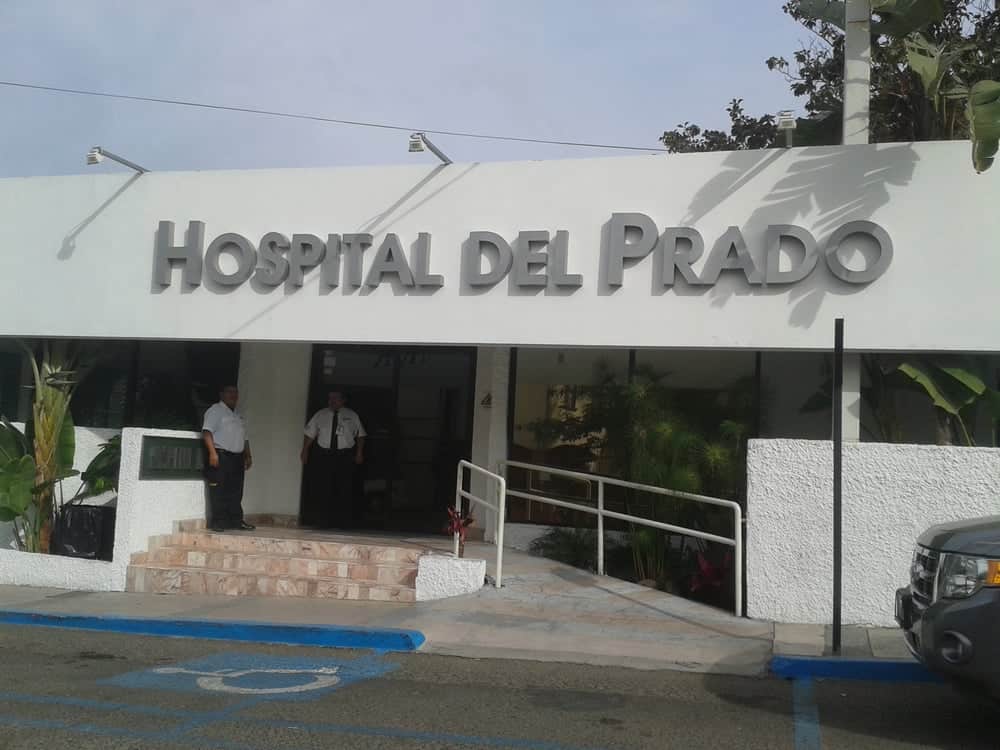
If you would like to watch a Q&A I did with a Healthcare Insurance Agent in Mexico, check out this video.
2. You CAN Be Denied Medical Care
Public hospitals like the ones managed by IMSS in Mexico are for people who have registered with them or prove their legal residence in Mexico. Mexico’s public system provides public services primarily to those who are formally employed or have legal residency. If you show up to a government hospital without this type of proof, the hospital can deny you medical care. To access public services, you typically need to register at your local IMSS office and obtain an IMSS card.
In the case of private hospitals in Mexico, you can also be denied medical care if you don’t have a way to prove that you can pay upfront. And in most hospitals, credit cards are not a sufficient means of proving you have the money.
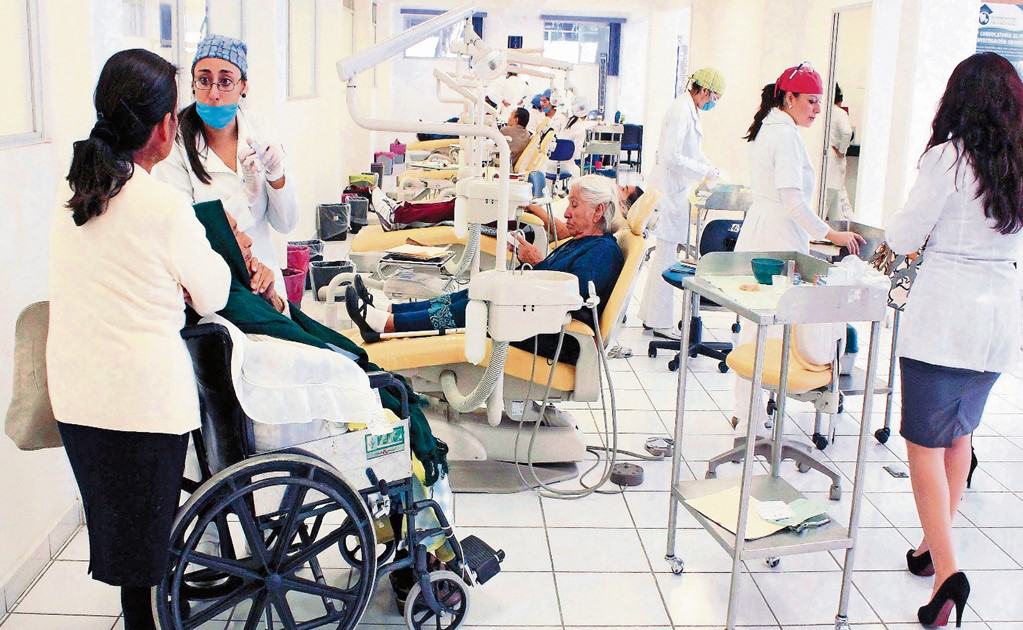
If you want a full breakdown of how private insurance, IMSS, and self-pay options work in Mexico, read our guide to healthcare options in Mexico here.
Expect to pay cash!
There have been cases where people have been unable to withdraw cash or have sufficient cash to pay their hospital bills. And then, these hospitals have taken their passport or resident card until they can pay off their bill.
It’s not always the case, but you must ask this beforehand if you can do so.
If you live in Mexico full-time, you should plan on signing up for a comprehensive insurance plan. There are a wide variety of plans available with different coverage types. Private insurance is an alternative for those who want more flexibility, access to private hospitals, or are not covered by the public system. However, you need to know that Mexican healthcare insurance usually doesn’t cover pre-existing conditions, and there is a wait time for some medical conditions. Waiting periods may apply for certain conditions under both public and private insurance.
So make sure you read the fine print on your explanation of benefits.
A significant uninsured population in Mexico faces financial barriers to care, especially in rural and low-income areas.
3. Translating Your Medical Bill
One thing you probably won’t think about if you’re looking into medical care in Mexico is your hospital bill, especially if you specifically chose a place because you found an English-speaking doctor.

Expect the hospital to give you a bill in Spanish. And unless you understand medical terms in Spanish, you should probably prepare to have someone translate it for you.
This is important because you probably want to know exactly what the hospital is charging you for.
Many hospitals have English-speaking staff and doctors. However, it is unusual for the hospital to fully translate your bill. If you need help from a reputable medical concierge to help you determine which hospital is right for you, make an appointment, translate medical records, and translate with a doctor. We have an excellent recommendation in our COMPLETE Mexico Relocation Guide..
For a deeper understanding on healthcare options in Mexico, check out our guide.
4. Public Hospitals Have LONG Wait Times
The majority of Mexican citizens use public healthcare because the cost of private health insurance is beyond their means. If you have access to a public hospital, you can expect great medical care but very long wait times. There are often long waiting periods for non-emergency and specialist medical services in the public system, which can delay access to necessary treatment.
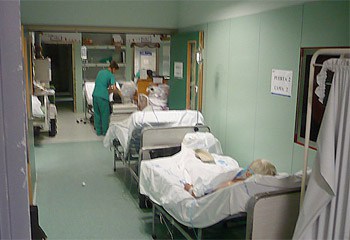
Public hospitals offer a wide range of medical services, and the services provided include both outpatient and inpatient care. While Mexico has made significant progress toward universal health coverage, disparities in health coverage and access to care remain, especially for certain populations.
Some people have access to public and free healthcare, but their condition is so urgent that they forgo their free option and pay out of pocket.
Out of pocket medical care in Mexico is still very inexpensive compared to costs in the U.S.
So, depending on your situation and the waiting period for you to be seen at public hospitals, you might want to self-pay.
5. Your Foreign Medical Policy Might Not Cover You in Mexico
Many of us travel to other countries, assuming we won’t have an accident or get sick. And most of the time, that’s definitely the case.
But it’s smart to come prepared just in case. In most cases, your foreign insurance won’t cover you in Mexico.
However, there are numerous companies like Allianz, Seven Corners, and Axa that offer travel medical insurance for single or multi-trips. We recommend using platforms like Squaremouth to get multiple quotes from a single search.
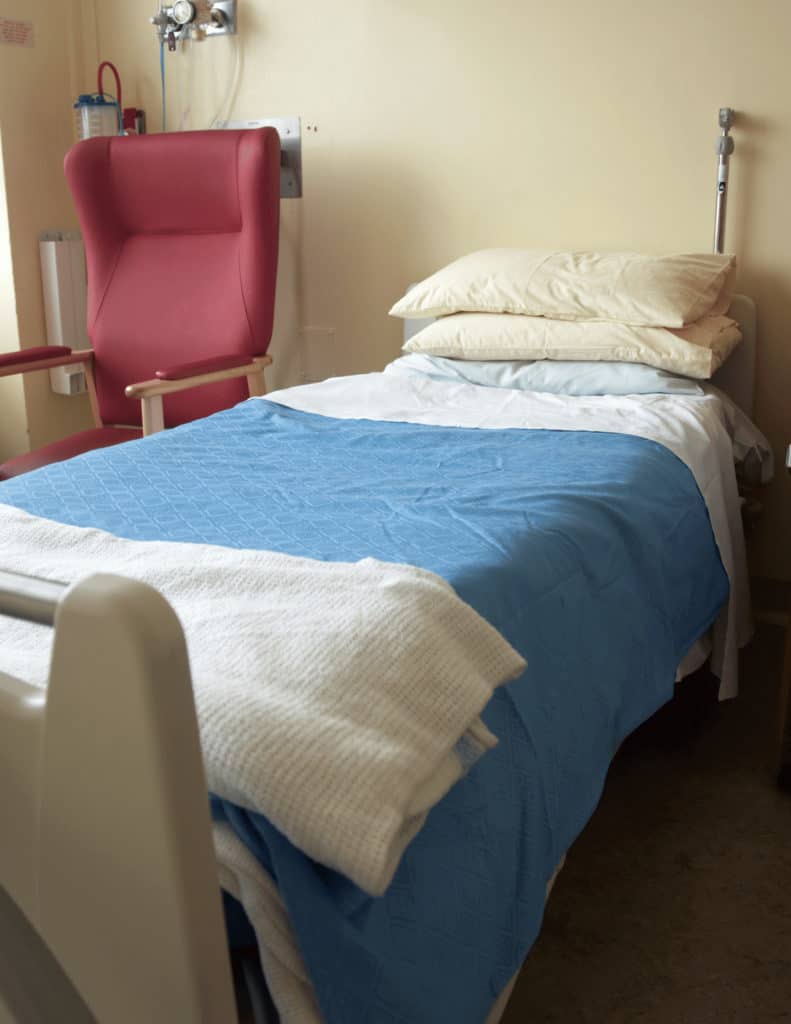
Typical Hospital Room In A Mexican Hospital
But if you’re living in Mexico full time (longer than 6 months), we highly recommend buying, at the very least, a catastrophic plan—something to cover a major medical accident in case one happens. If you can’t afford one or you are not eligible to buy insurance, then you should set aside some money each month in case of emergencies. Unexpected expenses can include costs for prescription drugs and controlled substances, which may not always be covered by insurance.
I’ve seen too many people start GoFundMe campaigns trying to raise as much money as possible for their medical attention because they don’t have a dime saved. Sometimes, that may very well be the only option, but it’s something you need to keep in mind when making a monthly budget. Maintaining good health status is crucial, but unforeseen events can still lead to significant medical expenses.
Another pro tip is that if you are from the U.S. and are eligible for Medicare, you can apply for a Medicare Advantage plan to cover you in Mexico in case of life-threatening emergencies, such as a heart attack, a serious car accident, a serious stomach bug, or other emergencies. The other side to that is that if you want, you can always travel back to the U.S. for outpatient procedures with your regular Medicare coverage.
What to Know About Emergency Services in Mexico
When it comes to emergency services in Mexico, it’s important to know how the system works before you need it. The general emergency number is 911—just like in the U.S.—but don’t assume the operator will speak English. If you’re not fluent in Spanish, it’s a good idea to learn a few key medical phrases and always be ready to clearly explain your location.
Paramedics in Mexico are generally well-trained, and many private hospitals operate their own ambulance services, which can be a real advantage if you’re in a major city or tourist area. However, ambulance response times can vary widely depending on where you are. In some regions, especially outside major cities, you might find that ambulance services are slower than you’d expect.
It’s also worth noting that not all ambulance services are created equal. Some private ambulances operate outside of industry regulations, charging high fees and sometimes lacking proper equipment or medication. If you need emergency services, try to use reputable ambulance providers—especially those affiliated with private hospitals or well-known healthcare providers. In tourist hotspots, you’re more likely to find ambulance services with English-speaking staff, which can make a stressful situation a little easier to handle.
If you’re living in Mexico or visiting for an extended period, it’s smart to research local emergency numbers and reputable ambulance services in your area ahead of time. That way, if you ever need urgent medical care, you’ll know exactly who to call and what to expect.
Medical Tourism: Why People Travel to Mexico for Care
Mexico has become a global hotspot for medical tourism, drawing thousands of international patients every year—especially from the U.S. and Canada. Why? The answer is simple: high-quality medical care at a fraction of the price you’d pay back home, plus the convenience of being just a short flight away.
Private healthcare in Mexico is known for its modern facilities, well-equipped clinics, and highly trained doctors—many of whom speak English and have international accreditations. Major cities like Tijuana, Guadalajara, and Cancún are home to private hospitals that cater specifically to international patients, offering everything from dental care and cosmetic surgery to bariatric and orthopedic procedures.
The cost savings are hard to ignore. For example, a knee surgery that might set you back $18,000 in the U.S. can often be done in Mexico for around $2,200. Dental care, eye surgeries, and complex procedures are all available at prices that are typically 50% or more below U.S. rates. Many private healthcare providers even offer all-inclusive packages for medical tourists, complete with English-speaking staff, airport transfers, and help with medical records.
If you’re considering traveling to Mexico for medical care, do your homework: check online reviews, look for international accreditations, and make sure the private healthcare facility you choose has experience working with international patients. With the right planning, medical tourism in Mexico can be a safe, affordable, and high-quality option for your healthcare needs.
Tips for Staying Healthy While in Mexico
Staying healthy in Mexico is all about preparation and prevention, especially if you’re living in or visiting areas where access to healthcare services might be limited. Start by making sure your vaccinations are up to date—this includes hepatitis A, hepatitis B, and typhoid, which are recommended for most travelers.
Good hygiene is your best friend: wash your hands frequently, avoid drinking untreated or unfiltered water, and steer clear of undercooked foods. These simple steps can help you avoid common illnesses like gastrointestinal bugs and respiratory infections.
Regular check-ups with a healthcare provider are also a smart move, whether you’re using the public healthcare system, the Mexican Social Security Institute (IMSS), or the private healthcare sector. If you’re staying long-term, consider enrolling in IMSS or purchasing private health insurance to ensure you have access to a wide range of medical care and health services. Having comprehensive health insurance that covers medical care in Mexico can save you from unexpected expenses and give you peace of mind.
Understanding how the Mexican healthcare system works—including the differences between public and private healthcare, and the role of social security—can help you navigate the system more effectively. Whether you’re seeking preventive services, dental care, or specialized treatment, knowing your options and being proactive about your health will help you enjoy your time in Mexico to the fullest.