 Contact
  Account


If you’ve been dreaming about waking up to ocean breezes and walking to the beach for your morning coffee, you’re not alone. Thousands of people from the US and Canada move to Mexico every year—and many of them pick a beach city as their new home.
But here’s the thing. Choosing the best Mexico beach cities to actually live in is different from picking a vacation spot. You need to think about things like healthcare, cost of living, visa requirements, and whether you’ll have a community of people who speak your language. That’s exactly what this guide is for.
At Mexico Relocation Guide, we help people move to Mexico the right way. And that starts with knowing which beach towns in Mexico might work for your lifestyle—and which ones might not.
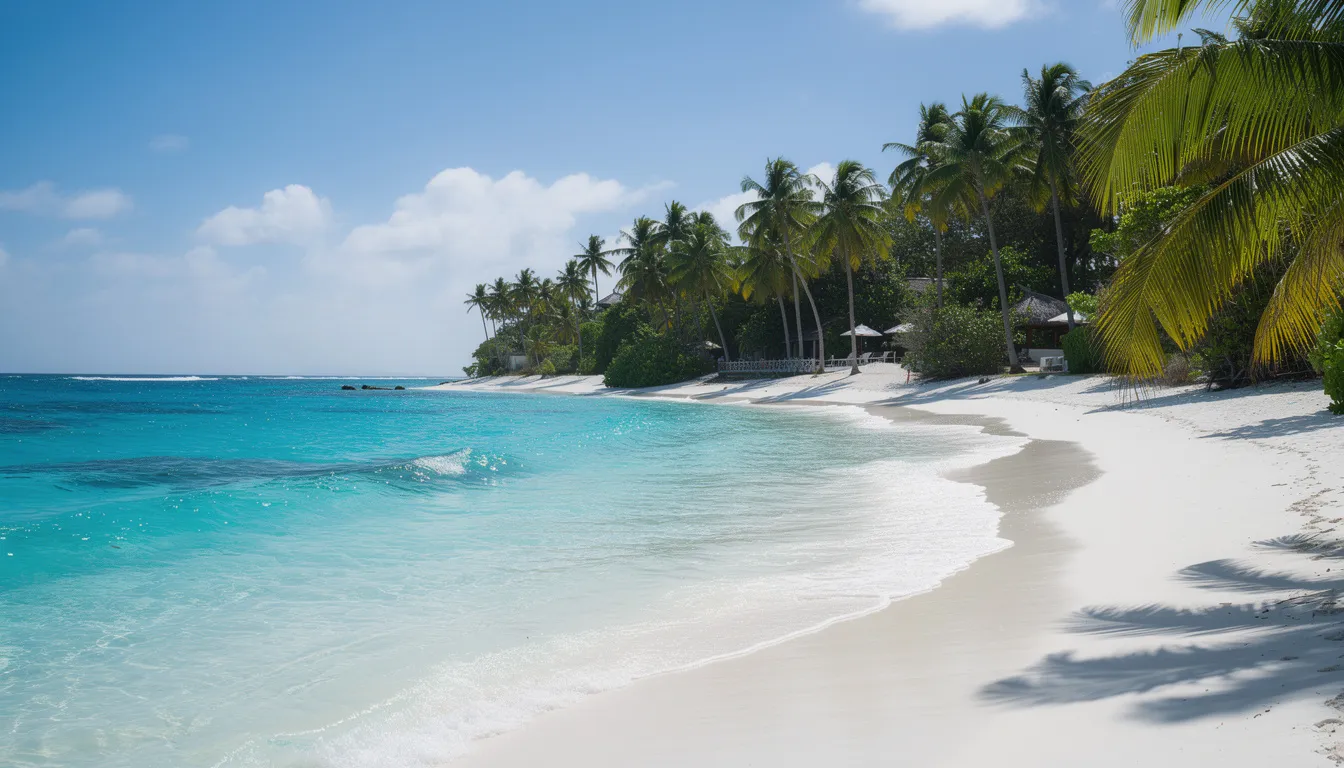
Quick Answer: Best Mexico Beach Cities for Expats & Long Stays
Before we dive deep, let’s give you the quick version. These are some of the best beach towns that work well for both visits and actually living there long-term:
- Puerto Vallarta – Large expat community, walkable neighborhoods, great healthcare, and direct flights from many US/Canadian cities
- Lo de Marcos – Traditional Mexican charm, quiet and uncrowded beaches, a welcoming community of long-term “snowbirds” and RVers, and easy access to the Puerto Vallarta airport.
- Mazatlán – More affordable than other Pacific spots, historic downtown, big Canadian snowbird community
- Huatulco – Eco-focused, uncrowded Oaxacan coast, lower crime than busier resort towns
- La Paz – Calm Sea of Cortez waters, outdoor lifestyle, more local vibe than nearby Cabo
- Loreto – Small-town feel, quiet life, protected bays for kayaking and fishing
- Progreso beach – right next to the Big colonial city of Merida with excellent hospitals.
- Playa del Carmen – Walkable downtown, Caribbean waters, popular with remote workers
- Cancún – Modern city with great connectivity, big hospitals, and famous white sand beaches
- Barra de Navidad – Bohemian-chic vibe, famous sportfishing and surfing, unique geography nestled between a lagoon and the ocean, and a tight-knit community of seasonal Canadian and US expats.
If you want to compare these cities in detail—including current costs, neighborhoods, and vetted local contacts—the Complete Mexico Relocation Guide and our private relocation tours can help you do exactly that.
How to Choose Your Best Mexico Beach City
Pretty beach photos can make anywhere look perfect. But before you fall in love with a sunset shot on Instagram, you need to think about what daily life would actually look like there.
Climate matters more than people realize. The Mexican Caribbean is humid year-round with hurricane risk from June through November. The Pacific coast gets a rainy season but tends to be drier. Baja California Sur is desert-dry with cooler winters. Your comfort level with heat, humidity, and storms should guide your choice.
Budget is another big factor. Some beach destinations cost nearly as much as mid-sized US cities, while others are still genuinely affordable. And healthcare access varies wildly—some beach cities have excellent private hospitals, while others require a multi-hour drive for serious care.
Here are the key factors to compare between cities:
- Cost of rent – Beachfront vs a few blocks inland makes a huge difference
- Walkability vs needing a car – Some cities have walkable centers, others spread out
- Size of expat community – Important if you want English-speaking friends and services
- Access to quality hospitals – Critical for retirees and anyone with health concerns
- Distance to international airport – Affects how easy (and expensive) trips home are
- Safety by neighborhood – City-wide stats don’t tell the whole story
One more thing to understand: beach “towns” and beach “cities” are different. True cities like Puerto Vallarta, Mazatlán, and Cancún have bigger hospitals, universities, more stable year-round economies, and way more long-term rental options. Smaller beach towns can be wonderful, but they often lack infrastructure that long-term residents need.
Inside the Mexico Relocation Guide, we give you current cost of living breakdowns by city and connect you with vetted local pros who actually live there.
Puerto Vallarta, Jalisco
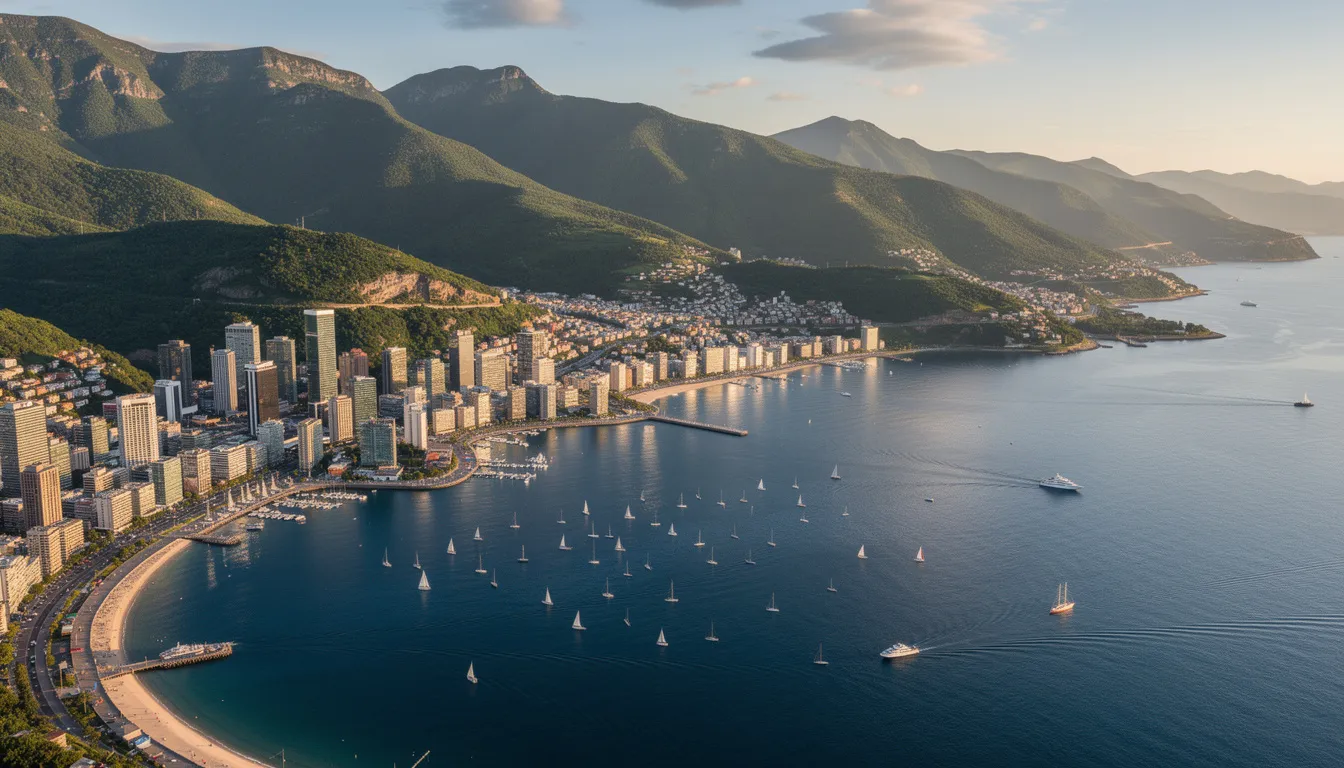
Puerto Vallarta is one of the most popular Mexican beach towns for US and Canadian retirees, LGBTQ+ expats, and remote workers. You get jungle-covered mountains meeting Banderas Bay, with a mix of old-town charm and modern conveniences.
The city is laid out in distinct areas. Centro is the historic heart with cobblestone streets. Zona Romántica (also called the Romantic Zone) is the walkable, expat-heavy neighborhood south of the Río Cuale. The Hotel Zone stretches north with bigger resorts. Marina Vallarta has condos and golf courses. And newer suburbs like Fluvial and Versailles offer more residential, less touristy living.
Why you might choose Puerto Vallarta:
- Year-round expat and snowbird community, especially in Zona Romántica
- Good healthcare options including private hospitals and English-speaking doctors
- International airport (PVR) with direct flights from many US and Canadian cities
- Lots of long-term rentals across different budget levels
- Playa Los Muertos and nearby beautiful beaches are easy to reach
What daily life looks like: If you’re interested in making Mexico your home, learn more about getting a Mexican Residency Visa.
- Zona Romántica is very walkable—you can live without a car if you choose the right spot
- The Malecón boardwalk gives you a perfect sunset walk any evening
- You’ll find plenty of local restaurants, cafes, and grocery stores within walking distance
- Cost of living is still cheaper than many US cities, but it’s no longer “dirt cheap”—expect to pay more than inland Mexican cities
Things to watch out for:
- Tourism season (November through April) can drive up short-term rental prices
- Summers are humid with a rainy season, plus the possibility of tropical storms
- If you live too close to the Malecón, expect noise and crowds during high season
Puerto Vallarta is located close to several other beach towns worth exploring. Mexico Relocation Guide has vetted immigration facilitators in PV, rental scouts who understand expat needs, and private relocation tours that include nearby spots like Bucerías, La Cruz, San Pancho, Lo de Marcos, and Punta Mita.
Lo de Marcos, Nayarit
Lo de Marcos is a charming, small beach town located just north of San Pancho along the Pacific coast of Nayarit. Known for its broad, golden-hued beaches and a laid-back, authentic local vibe, Lo de Marcos offers a peaceful alternative to busier tourist spots while still providing essential amenities.
Main features of Lo de Marcos:
- Quiet, uncrowded beaches perfect for relaxing and long walks
- A small town center with local markets, family-owned restaurants, and shops
- Limited but growing expat community, mainly retirees and those seeking a slower pace
- Easy access to nearby towns like San Pancho and Sayulita for dining and entertainment
Why you might choose Lo de Marcos:
- Affordable cost of living compared to more popular beach towns in the region
- Strong sense of community with friendly locals and a welcoming atmosphere
- Ideal for those looking to escape the tourist crowds and enjoy natural beauty
- Walkable town center where you can find more local restaurants and essential services
- Close enough to larger towns for day trips and additional amenities
What daily life looks like:
- The pace is relaxed, with most days spent enjoying the beach, local markets, and outdoor activities
- Limited nightlife, making it perfect for quiet evenings and early mornings by the sea
- Residents often gather for community events and beach clean-ups, fostering connection and stewardship
- A car is helpful for exploring the surrounding region but not essential for daily errands
Things to watch out for:
- Smaller town means fewer luxury hotels and limited tourist infrastructure
- Healthcare facilities are basic; more advanced care requires travel to Puerto Vallarta or San Pancho
- Internet and cell service can be spotty in some areas, so plan accordingly if remote work is a priority
Lo de Marcos is a hidden gem for those seeking a genuine Mexican beach town experience with beautiful beaches, a local vibe, and a slower pace of life. Mexico Relocation Guide can connect you with local contacts and relocation specialists familiar with Lo de Marcos and nearby communities.
Mazatlán, Sinaloa
Mazatlán is a working Mexican port city that also happens to have amazing beaches. It’s known for its long Malecón (one of the longest in the world), cheaper cost of living, and a large Canadian snowbird population that returns every winter.
Main areas of the city:
- Centro Histórico – The historic center with colonial buildings, plazas, and a more local feel
- Malecón and Zona Dorada – The Golden Zone with hotels, condos, and nightlife
- Northern neighborhoods – Newer developments with modern condos, malls, and quieter residential areas
Curious about the cost of living in these different Mazatlán neighborhoods?
Why you might choose Mazatlán:
- Generally lower rents and restaurant prices than Puerto Vallarta or Cabo San Lucas
- Big, swimmable beaches along the Pacific Ocean and long oceanfront walks
- Direct flights from some US and Canadian cities during high season
- Strong community of winter visitors and long-term expats who’ve been coming for decades
- More “real Mexican city by the sea” vibe than resort towns
Quality of life details: For more information on the steps and considerations for relocating, see Moving to Mexico in 5 Steps – Mexico Relocation Guide.
- Access to hospitals and private clinics, including specialists for retirees
- Local markets, fresh seafood, and day-to-day errands you can do on foot or by bus
- The main beach and Malecón area give you that Pacific coast lifestyle
- Fish tacos are basically a food group here
Concerns to consider:
- Sinaloa state has a reputation for crime that makes some people nervous. The truth is, many expats feel very safe in specific Mazatlán neighborhoods—but you should research carefully and talk to people who live there
- Heat and humidity in summer means high A/C bills
- If you’re buying property near the ocean, research building quality carefully (salt air causes corrosion)
Mexico Relocation Guide can connect you with locals who know which Mazatlán colonias work best for retirees vs families, bilingual realtors who avoid “gringo pricing,” and immigration contacts who understand retiree residency visas.
Huatulco, Oaxaca
Huatulco is a beautiful coastal city on the Pacific side of Oaxaca, known for its nine stunning bays, pristine beaches, and eco-friendly development. It offers a quieter alternative to busier resort towns, making it a favorite among expats seeking natural beauty and a relaxed lifestyle.
What the city offers:
- A protected coastline with calm, clear waters perfect for swimming, snorkeling, and kayaking
- A charming town center with local markets, restaurants, and a growing expat community
- Bahías de Huatulco International Airport (HUX) with direct flights to major Mexican cities and seasonal connections to the US
Why Huatulco appeals to expats:
- Less crowded and more affordable than other Pacific resort towns like Puerto Vallarta or Los Cabos
- Strong focus on sustainability and eco-tourism, with many protected natural areas and wildlife reserves
- Warm, dry climate with less humidity than the Mexican Caribbean
- Opportunities for outdoor activities such as hiking, birdwatching, and exploring nearby waterfalls and jungles
Who tends to love Huatulco:
- Nature lovers and outdoor enthusiasts looking for adventure and tranquility
- Retirees seeking a peaceful coastal lifestyle without the hustle of larger tourist cities
- Families attracted by safe beaches and a community-oriented atmosphere
- Digital nomads who appreciate reliable internet and a slower pace of life
Healthcare note: Huatulco has clinics and pharmacies for basic needs, with larger hospitals accessible in nearby cities like Oaxaca and Puerto Escondido.
Things to consider:
- Public transportation is limited, so having a car is helpful for exploring the region
- The town is smaller and less developed than some other beach cities, which may mean fewer amenities but more authentic local experiences
- Seasonal rains occur from June to October, but the dry season offers plenty of sunshine and pleasant temperatures
Mexico Relocation Guide provides vetted contacts in Huatulco, including relocation specialists, realtors, and immigration facilitators, to help you plan your move to this stunning Pacific coast destination.
La Paz & Nearby Beaches, Baja California Sur
La Paz is a mid-sized city on the Sea of Cortez with calm bays, nearby beaches like Balandra and Tecolote, and a more laid-back, Mexican-family vibe than nearby Los Cabos. It’s become a favorite for expats who want natural beauty without resort-town crowds.
What the city offers:
- An attractive seaside Malecón with bike paths, sunset walks, and public art
- Residential neighborhoods slightly back from the water where rents are lower
- La Paz International Airport (LAP) plus easy access to Cabo’s larger airport (SJD) about an hour south
Why La Paz appeals to expats:
- Drier climate than the Caribbean or most of the Pacific coast—less humidity is easier on some health conditions
- Amazing access to nature: whale watching (December through April sees thousands of humpbacks in the Sea of Cortez), whale sharks (seasonal), Espiritu Santo Island tours, kayaking, and paddleboarding
- More local pricing than Los Cabos, yet with solid services and supermarkets
- The calm waters of the Sea of Cortez are perfect for swimming and water sports
Who tends to love La Paz:
- Semi-retired couples who want adventure without chaos
- Sailors and boaters (it’s a major sailing destination)
- Digital nomads who need a quieter base
- People comfortable with having at least basic Spanish skills
Healthcare note: Many expats across Baja California travel to La Paz for specialist care and quality dental work.
Things to consider:
- You’ll likely want or need a car for many neighborhoods and to reach the best beaches
- Winters can be windy and the water is cooler than Caribbean destinations
- Housing stock has more houses and fewer beachfront high-rises than other cities
Mexico Relocation Guide has vetted contacts in La Paz—immigration facilitators, English-speaking relocation tour guides, realtors and more. We also give step-by-step tips for driving the Baja peninsula safely if you want to bring your own car down.
Loreto, Baja California Sur
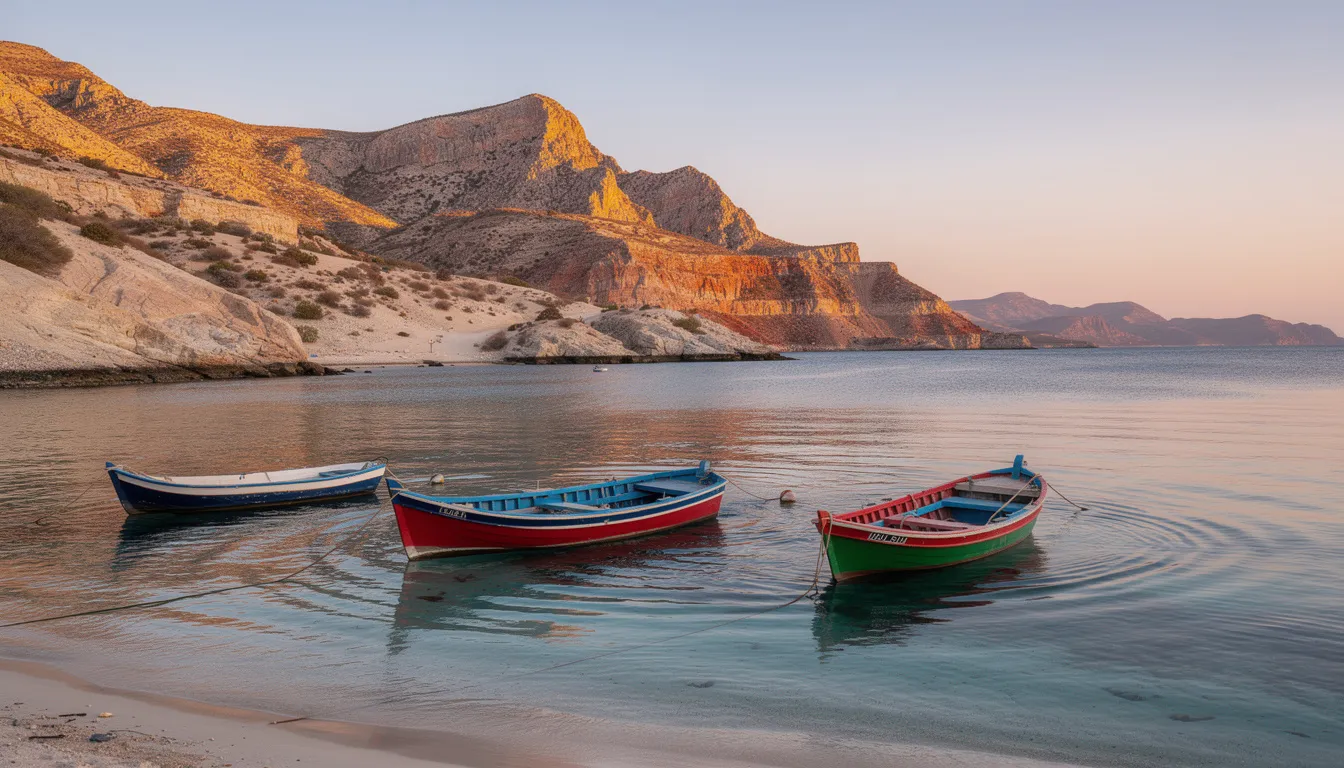
Loreto is a much smaller, quiet coastal city on the Sea of Cortez. It’s popular with boaters, retirees, and anyone who wants calm waters and a genuine small-town feel without the development of bigger destinations.
The setting:
- Colonial-style town center with a historic mission (one of the oldest in the Californias) and walkable streets
- Protected islands just offshore that keep the bay calm—perfect for kayaking and snorkeling
- A small airport (LTO) with seasonal direct flights from cities like Los Angeles and Calgary (routes change, so check current schedules)
Why Loreto appeals to expats:
- Slower pace of life and minimal nightlife—great if you want quiet living
- Strong fishing, boating, and whale watching culture
- Tight-knit expat community where people tend to know each other
- Low population and almost no traffic compared to bigger cities
- Naturally beautiful coastline with that classic Baja feel
Practical living details:
- Healthcare is limited but improving. For bigger procedures, most expats travel to La Paz, Tijuana, or back to the US/Canada
- Housing options include small condo developments, gated communities, and stand-alone homes
- Basic Spanish skills matter here—fewer locals speak English than in larger tourist cities
Things to watch:
- Smaller selection of schools and kid-focused activities if you’re moving with a family
- Fewer flights and higher seasonal airfare, which matters if you fly back to the US or Canada often
- Hot summers and a quieter off-season that some people love and others find too slow
Mexico Relocation Guide and our vetted relocation tour providers in Baja can help you visit Loreto plus nearby towns like Mulegé to see if this quieter lifestyle truly fits you.
Mérida & Progreso, Yucatán
Here’s a combo worth knowing about: Mérida is a large inland colonial city with strong culture and excellent healthcare. Progreso is its nearby Gulf of Mexico beach town, about an hour or less north. Together, they give you the best of both worlds.
About Mérida:
- Known for strong safety statistics within Mexico and a big, established expat community
- Excellent private hospitals, dentists, and specialists
- Hot, humid climate most of the year, with cooler breezes as you get closer to the coast
- Rich Mayan history and local culture everywhere you look
About Progreso and nearby beach communities:
- Long, shallow beaches used by local families and expats, especially on weekends
- A growing number of rental homes and condos attractive to retirees on a budget
- Cruise ship days can briefly bring crowds, but also support local jobs and businesses
Why this region works as a “beach city” base:
- You can live in Mérida for services and drive or bus to the beach whenever you want
- Or live in Progreso and visit Mérida for shopping, culture, and healthcare
- Lower cost of living than many Pacific or Caribbean resort towns, especially on rent
- Airport in Mérida (MID) plus access to the Yucatan Peninsula’s other airports
Things to consider:
- Intense heat from April through September means budgeting for A/C and higher electricity bills
- Gulf beaches have greener water and smaller waves than the postcard-bright Caribbean Sea—set your expectations
- Mosquito season is real, so good screens and fumigation services matter
Mexico Relocation Guide helps you compare Mérida vs Progreso vs Cancún for long-term living, and connects you with vetted Yucatán realtors and immigration experts.
Cancún, Playa del Carmen & Riviera Maya Cities
These are among the most famous beach destinations in Mexico—and yes, they can work well for long-term living if you choose your neighborhood carefully and understand the higher costs.
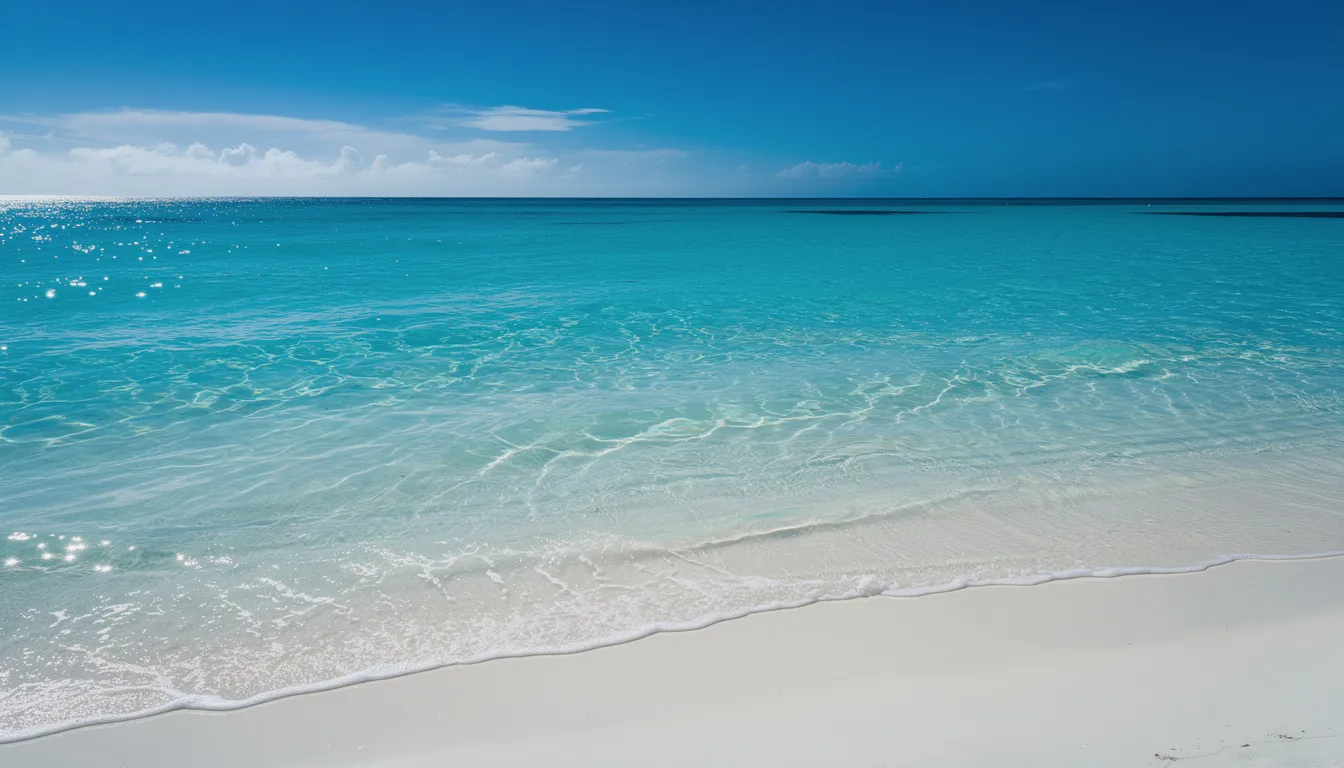
Quick overview of each:
- Cancún – Modern resort city plus Hotel Zone. Great connectivity through CUN airport (handling over 25 million passengers annually), big hospitals, malls, and infrastructure. Higher tourist presence but also real neighborhoods where locals live.
- Playa del Carmen – Walkable downtown along Fifth Avenue, lots of nightlife and coworking spaces. Very popular with digital nomads and younger expats, with some estimating monthly costs around $1,500 for singles.
- Tulum – Rapid development, higher prices, and infrastructure issues (water, electricity) that expats should research carefully before committing.
- Isla Mujeres – A 20-minute ferry from Cancún with the beautiful Playa Norte, calm waters, and laid-back island life. Great for relaxation but limited services.
- Cozumel – Known for its crystal-clear Caribbean waters, white sand beaches, and vibrant coral reefs, it’s a great place for snorkeling, diving, and enjoying a laid-back island vibe. While the island remains relatively car-free and peaceful, growing tourism pressures are gradually introducing more amenities and visitors.
Pros of this region for expats:
- Direct flights from many US and Canadian cities year-round
- Caribbean-blue water, white sand beaches, and many beach options within a short drive
- Big English-speaking expat communities, especially in Playa del Carmen and parts of Cancún
- Good private healthcare options and international schools for families
- The Mayan Riviera offers incredible day trips to cenotes, ruins, and other beach towns
Downsides to budget for:
- Higher rent and food prices than quieter Pacific or Gulf cities, especially near the beach
- Tourist crowds from December through April and around major holidays
- You need to vet realtors very carefully to avoid scams and inflated “gringo” pricing
- Quintana Roo’s famous coral reefs have suffered (some studies show 30% coral loss), so eco-conscious travelers should choose responsibly
How Mexico Relocation Guide helps in this region:
- We connect you with vetted immigration facilitators who work daily with Riviera Maya residents
- Our directory includes trusted long-term rental agents who focus on expats looking to live, not just vacation
- Our relocation tours in Cancún, Playa del Carmen, Tulum, and nearby towns like Puerto Morelos, Cozumel, and Isla Mujeres help you compare options in person
Costalegre Region, Jalisco and Colima
The Costalegre region, stretching along the Pacific coast of Jalisco and parts of Colima, offers a more off-the-beaten-path experience compared to Mexico’s more famous beach destinations.
The most popular towns making up this area are Barra de Navidad and Melaque. Known for its stunning natural beauty, tranquil beaches, and authentic Mexican charm, Costalegre is becoming a favorite for expats and travelers seeking a laid-back lifestyle away from the crowds.

Highlights of Costalegre:
- Beautiful, uncrowded beaches such as Careyes, Tenacatita, and Barra de Navidad
- A mix of small towns and boutique resorts offering both rustic and luxury accommodations
- Rich local culture with traditional fishing villages, fresh seafood, and vibrant festivals
- Proximity to Puerto Vallarta airport (about 2.5 to 3 hours’ drive) for convenient travel
Why you might choose Costalegre:
- Affordable cost of living compared to more tourist-heavy Pacific coast cities
- Strong sense of community with welcoming locals and a growing expat population
- Opportunities for outdoor activities including surfing, snorkeling, hiking, and fishing
- Less commercial development means more natural beauty and peaceful surroundings
What daily life looks like:
- Slow-paced and relaxed, ideal for those seeking tranquility and connection with nature
- Access to local markets, fresh produce, and authentic Mexican cuisine
- Limited nightlife but close-knit community events and beach gatherings
- Owning a car is helpful for exploring the region and accessing services
Things to watch out for:
- Infrastructure can be basic in some areas, with limited healthcare facilities requiring travel to larger cities
- Internet connectivity varies, so check availability if remote work is a priority
- Seasonal weather includes a rainy season from June to October
Mexico Relocation Guide can connect you with local immigration contacts, realtors, and relocation specialists familiar with Costalegre’s unique offerings, helping you find the perfect beach town to call home in this beautiful, lesser-known region.
Realistic Costs & Budget Planning for Mexico Beach Cities
Here’s something important to understand: beach cities almost always cost more than inland cities. And prices can change quickly—especially in trending places like Huatulco or Tulum where popularity is exploding.
What to expect on costs:
| Category | Beach Cities | Inland Cities |
|---|---|---|
| 1-2 BR Rent (mid-range neighborhood) | $18k MXN or About $1k USD/Month | Often 30-50% less than beach areas |
| 1 BR Beachfront Rent | $30k MXN+ or About $1600 USD | N/A |
| Groceries | Similar to US prices for imports; cheaper for local produce | Generally cheaper |
| Eating Out | Varies widely by tourist area vs local spots. Mid range meal $20 pp+ | Usually more affordable |
Monthly costs to plan for:
- Rent (your biggest expense in most cases)
- Groceries and eating out
- Transportation (bus, taxi, or owning a car)
- Health insurance or private care out-of-pocket
- Residency paperwork and renewal fees
- Pet costs if you’re bringing animals
- Utilities including A/C in hot, humid areas
How costs vary by coast:
- Pacific/Baja – Generally drier, can be more affordable outside major tourist zones
- Caribbean (Quintana Roo) – Higher prices, especially near the beach, but excellent infrastructure
- Gulf (Yucatán) – Often the most affordable for beachfront living, especially around Progreso
Seasonality matters: Short-term rentals spike during high season (November-April on most coasts), but long-term rentals are more stable. If you’re planning a move, negotiate a long-term lease for better rates.
Banking note: Once you have residency, opening a Mexican bank account makes life much easier. You’ll want local pesos for daily expenses, and Mexican ATMs work fine for withdrawing from US/Canadian accounts (just watch the fees). If you’re considering residency, you might also wonder is Mexico safe?
If you join our free newsletter, you’ll find recent sample budgets from real expats in different beach cities, plus up-to-date guidance on residency visa income requirements.
Residency Visas, Health Insurance & Safety in Beach Cities
Moving to a Mexico beach city becomes much easier when you handle legal residency, healthcare, and safety planning before you ship your life down. Let me explain the basics.
Residency visas:
- There’s a big difference between staying as a tourist (up to 180 days) and having actual residency (temporary or permanent)
- Many retirees and remote workers apply for residency from their home country before moving. This gives you more rights and stability
- Income and asset requirements change periodically, so get current information before applying
- Mexico Relocation Guide walks you through the exact process and connects you with vetted immigration facilitators across Mexico.
Health insurance and care:
- Most expats rely on private health insurance or pay out-of-pocket at private clinics
- Beach cities with good hospitals (Puerto Vallarta, Mazatlán, Cancún, Mérida) are especially popular with retirees for this reason
- Public healthcare systems (IMSS) exist, but most expats choose private care for speed, English-speaking staff, and quality. But keep in mind, the smaller the city the less equipped their hospitals tend to be.
- Dental and medical tourism is common. And many expats save significantly on procedures compared to US prices
Safety and risk management:
- Research specific neighborhoods, not just city names. Safety varies block by block in many places
- Practical habits matter: avoid flashy displays of wealth, learn local emergency numbers, and understand hurricane prep if you live near the water
- Most incidents that expats worry about are avoidable with good local advice and common sense
- The world isn’t as scary as the news makes it seem, but being informed helps you relax and enjoy your new life
The Mexico Relocation Guide walks you step-by-step through these topics and gives you vetted professionals—immigration facilitators, insurance brokers, bilingual relocation tour guides, moving companies, etc—who already work with expats in beach cities.
How Mexico Relocation Guide Helps You Pick (and Test) Your Ideal Beach City
Photos and YouTube videos are helpful, but nothing replaces having clear information and local contacts before you commit to moving. That’s where we come in…
What Mexico Relocation Guide offers you:
- A continuously updated digital course that explains residency, buying vs renting, cost of living, scams to avoid, and healthcare in plain English
- A vetted directory of local professionals in over 50 Mexican cities— professionals like immigration facilitators, realtors, health insurance brokers, and more. Stop guessing who to hire- move to Mexico and have that information vetted for you.
- Private relocation tours in 60+ Mexican cities with trusted local guides in dozens of beach and non-beach cities, so you see neighborhoods, supermarkets, hospitals, and rentals—not just tourist areas
- Access to a private Facebook community where you can ask questions to people already living all over Mexico.
- You save many hours of research and lower your risk of scams, bad rentals, or choosing the wrong city for your lifestyle
Use this article as your starting list. Then dig deeper with our guide and, if possible, plan a scouting trip using vetted contacts instead of going in blind.

What About Other Best Places to Live?
Now these aren’t the ONLY beaches I recommend living in Mexico. In fact, this is a small curated list. For the ultimate guide on the best places to live in Mexico, we have this post.
It includes beaches, highlands, big and small cities across Mexico.
Next Steps for Your Move to a Mexico Beach City
You don’t have to guess which beach city will fit you—there’s a process that works. And it starts with getting the right information, not random Facebook comments or outdated blog posts from 2015.
Start by narrowing your list to 2-3 cities that match your budget, climate comfort, and lifestyle needs. Do you want walkability or are you okay driving? Do you need excellent hospitals nearby? Is a big expat community important, or do you prefer a more local vibe?
Then plan a 1-3 week scouting trip with a clear checklist: neighborhoods to walk through, hospitals to visit, rentals to view, internet speeds to test, and noise levels to experience at different times of day.
What to do right now:
- Make a short list of your “must haves” and “deal breakers” for beach living
- Choose at least one Pacific/Baja city and one Caribbean/Gulf city to compare
- Consider getting the Complete Mexico Relocation Guide so you’re not relying on random internet advice
- Sign up for our free email series to start learning the basics of moving to Mexico
Living by the beach in Mexico isn’t just a dream, it’s completely realistic when you plan intentionally and lean on experienced, vetted help. The right city is out there for you. And with the right planning and advice, your next trip to Mexico could be the start of living your best life!