 Contact
  Account


If you have ever pictured yourself owning a home in Mexico, you are not alone. I talk to people every single week who are thinking about buying a condo near the beach, a house in a charming colonial town like San Miguel de Allende, or a place they can use part time now and retire to later.
And while I always tell people to rent first, some of you may have already done that and you’re ready to start putting down some roots. So, I get it.
Mexico can be an incredible place to live. The lifestyle is better for a lot of people. The food is better. The weather can be amazing depending on where you choose. And in many areas, your money goes further than it does back home.
But buying property in Mexico is not something you want to do blindly.
Yes, foreigners can legally buy property in Mexico. But there are special rules depending on where the property is located. If you understand those rules before you start shopping, you will save yourself stress, wasted money, and in some cases, serious legal problems.
Let me walk you through how this really works in plain English.
Yes, You Can Buy Property in Mexico Even as a Tourist
This is one of the biggest myths I hear.
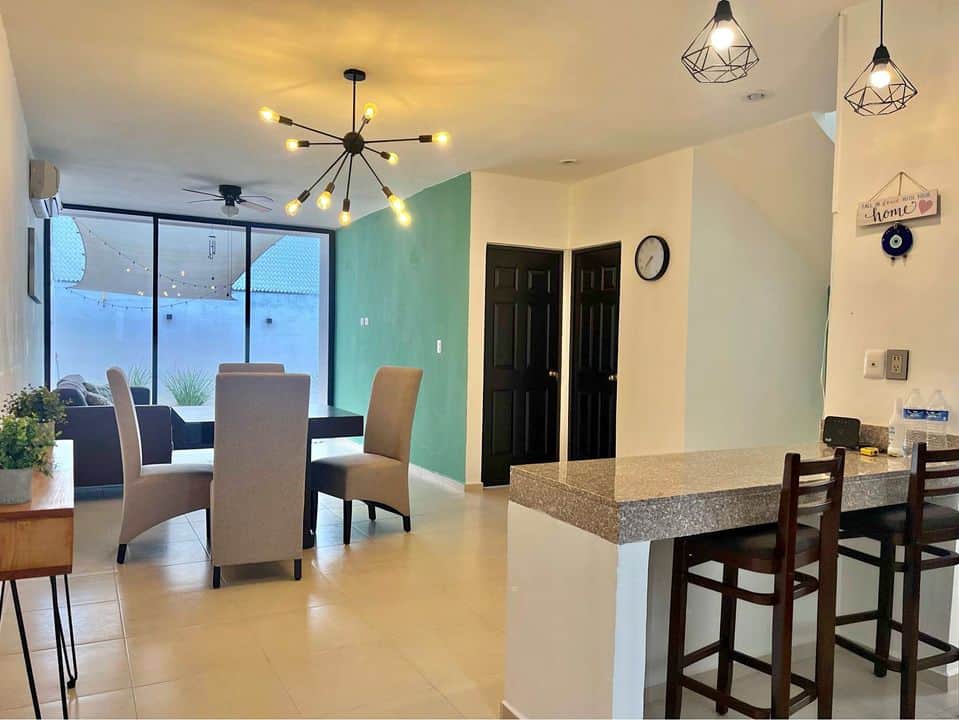
You do NOT need permanent or temporary residency to buy property in Mexico. You can buy property even if you are currently here as a tourist. Now, that does not mean you should rush into buying while you are still in the honeymoon phase. But legally, your visa status does not stop you from purchasing.
A lot of people do this in stages.
They visit Mexico a few times.
They rent for six months or a year.
They figure out which neighborhoods they actually enjoy living in day to day.
Then they buy a property or land, and then build.
Because Mexico is not for everyone, and buying a home before you truly understand the lifestyle is one of the biggest mistakes I see people make.
Don’t want to Buy? Learn How to Find The Best Rentals in Mexico
Mexican Constitution and Property Laws
Foreign property ownership in Mexico is regulated by Article 27 of the Mexican Constitution. This law sets clear rules on what land foreigners can own and what methods are allowed.
To legally own land, you must follow Mexican property laws, which sometimes include using specific kinds of trusts or companies if you buy near the borders or beaches.
If you start a company in Mexico, it can own land on your behalf in most cases, as long as it follows Mexican business laws.
The Most Important Thing to Understand is Location
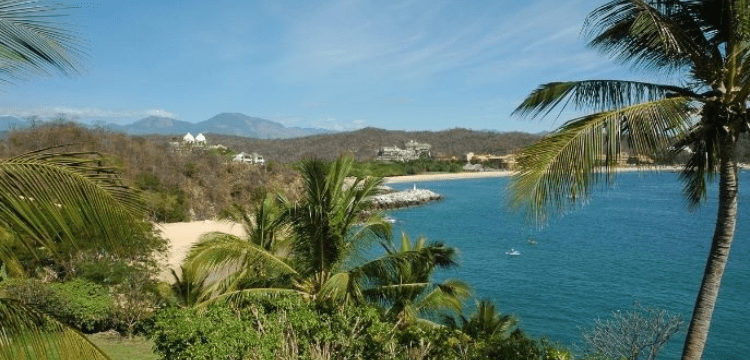
In Mexico, buying property comes down to one big question. Is the property inside the restricted zone or outside the restricted zone?
The restricted zone includes land within 50 kilometers of the coast and within 100 kilometers of an international border.
So if you want to buy in places like Puerto Vallarta, Playa del Carmen, Cancun, Cabo, La Paz, Mazatlan, and most beach towns, you are very likely in the restricted zone.
If you want to buy in places like Mexico City, San Miguel de Allende, Queretaro, Guadalajara, Puebla, or many inland areas, you are typically outside the restricted zone.
And that one detail changes how you can legally own the property. Learn more about the restricted zone rules on the Mexican Consulate’s guide to acquisition of properties.
Direct Ownership vs. Fideicomiso
If you want to own property outside the restricted zone (for example in San Miguel de Allende, Mexico City, Guadalajara, Queretaro), you can hold the title in your own name and enjoy full ownership rights. This means you can sell, rent, or pass down the property as you want.
Inside the restricted zone (Puerto Vallarta, Playa del Carmen, La Paz, Cabo, Cancun, Mazatlán, other beach towns), you must use a fideicomiso. A fideicomiso is a bank trust. The fideicomiso is set up for 50 years and can be renewed in perpetuity. The cost of a Fideicomiso is around $500 a year. Some banks charge more. Some charge less. That is why you always want to see the full breakdown before you sign anything.
With a fideicomiso, a Mexican bank holds the property title for you. You are still the owner for practical purposes and can improve, use, sell, or leave the property to your heirs. But there is additional paperwork and steps.
The most common banks expats use for this fideicomiso (if you need one) are BanBajio or Banca Mifel, or BBVA.
And I know the word trust makes people nervous. I know it sounds like you are renting or leasing. But that is not what this is. A fideicomiso is a legal structure that allows you to control and own the property while complying with Mexico’s constitution.
Here is the easiest way to understand it.
A Mexican bank holds the title to the property as the trustee.
You are the beneficiary of the trust.
You control the property.
That means you can live in it, rent it, remodel it, sell it, and pass it down to your heirs. You are not giving up ownership. You are simply using the legal structure Mexico requires in those areas.
This is extremely common in beach towns. Thousands and thousands of foreigners own property this way. So if you want a condo in Playa del Carmen or a home in Puerto Vallarta, do not panic when you hear the word fideicomiso. It is normal in Mexico.
Read more about how fideicomiso works and how it helps foreigners buy property in coastal areas in our COMPLETE Mexico Relocation Guide– which also gives you a directory of our recommended real estate lawyers and notarios in Mexico.
DO NOT BUY EJIDO LAND
This part matters because this is where people get burned. The big one is ejido land.
Ejido land is communal land. It is not the same as private property. It is land that belongs to a community and it cannot be sold the same way regular property is sold.
Foreigners cannot legally buy ejido land as private property. And here is what makes it tricky. Ejido land is most common in rural areas and in some coastal areas that are still being developed. It is also where you will sometimes see deals that look way too good to be true.
You might see a listing like this.
Beachfront land for a fraction of the normal price.
A “future development opportunity.”
A seller who wants cash quickly.
No notary involved.
No clear paperwork.
If you ever feel like the deal is too good to be true, slow down immediately. That is exactly how people end up losing money. I am talking thousands of dollars lost, and long legal battles.
Now, ejido land can sometimes be converted into private property through a legal process, but that process is not quick, it is not simple, and it is not guaranteed. This is not something you want to gamble on unless you have expert legal guidance and you understand the risks completely.
If you are new to Mexico, my advice is simple….Avoid ejido land completely.

Hidden Costs & Fees to Keep in Mind
When budgeting to buy property as an expat in Mexico, you might encounter unexpected costs beyond the standard fees.
For example, currency exchange rates change all the time, and there might be currency exchange fees from traditional banks that can be higher than using online transfer services like Wise. Additionally, unforeseen delays in closing the sale could result in extra travel or accommodation expenses.
It’s also important to note that annual fideicomiso fees can vary widely between different Mexican banks. To avoid surprises, you should budget an extra 10–15% on top of your planned expenses to cover these hidden or unexpected costs.
Steps to Purchase Property as an Expat in Mexico
Here is what the process usually looks like in real life.
First, you find the property you want and negotiate the price with the seller.
Then you sign a purchase agreement and pay a deposit. This is where you want to be very careful. You want everything in writing. You want receipts. You want the terms clearly spelled out. And you want professionals involved before money moves.
After that, the legal process begins.
If you are buying in the restricted zone, this is when the fideicomiso process is started.
You also typically need a permit from Mexico’s Ministry of Foreign Affairs called an SRE permit. This is a standard part of the process for foreign buyers. It is normal and expected. Your notario should help you with this.
Now, this is where foreigners often misunderstand how Mexico works.
In Mexico, a notario is not just a notary like in the United States. A notario is a specialized legal professional with serious authority. They oversee the transaction, confirm legal ownership, handle taxes, and register the sale. The notario is one of the most important people in your entire purchase.
Once everything is reviewed and approved, you sign the final paperwork at the notario’s office and pay the remaining balance.
Then the property is registered, and you receive your legal ownership documentation. This can take anywhere from several weeks to a 6 months or more. Some deals move quickly. Some take longer. If there are title issues, missing paperwork, or disputes, it can take longer than you expect.
That is why patience matters. After agreeing on the terms, sign a purchase agreement and pay a deposit.
Selecting a Real Estate Agent
Choosing the right real estate agent is one of the most important decisions you will make.
Look for agents with experience working with international buyers. A good agent helps you find properties, explain the process, and communicate with all parties.
Make sure your agent is registered with a professional organization such as AMPI, as there is no federal licensing in Mexico for real estate agents. Ask for client references and check their local reputation by doing a google search or a Facebook search.
A good and reputable realtor should have an online presence. If not, be prepared to walk away.
A qualified agent will guide you through local regulations, help with paperwork, and explain fees and taxes. This support is key to avoiding mistakes.
To get access to our complete directory of vetted and recommended realtors across Mexico, consider buying our COMPLETE Mexico Relocation Guide. When you buy the guide, you get instant access to the steps for moving to Mexico and our directory of vetted contacts. And we NEVER take a kickback or commissions from our recommended contacts.
Due Diligence Responsibilities
This is the part where I need you to be serious. Due diligence is your responsibility. Do not leave your brain at the border.
Even if you are working with a realtor you like, even if the seller seems honest, even if the house is perfect, you still need to verify everything.
You want to confirm that the seller is the legal owner.
You want to confirm the title is clean.
You want to confirm there are no liens or debts.
You want to confirm property taxes are currently paid.
You want to confirm the property is properly registered.
You want to confirm the boundaries match what you think you are buying.
This is where the notario plays a huge role, but you also may want an independent real estate attorney depending on the situation.
And you absolutely want to visit the property in person. Pictures can be misleading. Neighborhoods can feel different at night. Noise levels can be completely different than what you expect.
If you are buying in a condo building or gated community, you also want to understand the monthly maintenance fees and the rules. You should be aware if the mantenimiento fees have been collected from other property owners. That’s a real problem in Mexico. But you should also get to know the area.
Some buildings are quiet.
Some are party buildings.
Some have constant construction.
Some have poor management.
Costs and Taxes Associated With Buying Property
When you buy property in Mexico, you will need to pay various fees up front and take care of annual property taxes after the purchase. Knowing these costs ahead of time helps you avoid surprises and budget properly.
Purchase Costs and Fees
You pay a series of one-time fees when you purchase property. The most significant is the Property Acquisition Tax, which is usually about 2% to 4.5% of the property’s value. This fee is paid to the local government at closing.
Other acquisition costs include notary fees, legal fees, and document registration charges. Notary fees often range from 0.5% to 1.5% of the property’s value. You also need to pay for permits, trust setup (if buying in the restricted zone), and valuation fees.
A typical list of expenses:
- Acquisition tax: 2%-4.5% of value
- Notary fees: 0.5%-1.5%
- Trust setup (fideicomiso- if required): $500-$1,000 USD
- Legal fees
- Permit and registration fees
The total closing costs are often 5%-7% of the purchase price. Some costs may vary by region.
Ongoing Property Taxes (Predial)
After you buy, you will pay annual property taxes called predial. These are based on the assessed value of your property and are much lower than in many other countries. Most owners pay between 0.1% and 0.3% of the assessed value each year.
You receive a bill from the local municipality, and payment is required yearly. Discounts may be given if you pay early in the year or if you are over 65 and have an INAPAM ID Card. But please know that INAPAM cards are usually only given to Mexican citizens.
Failure to pay your property taxes or trust fees can lead to penalties or legal trouble, so it is important to stay up to date.
Can You Sell the Property Later or Leave It to Your Family?
Yes. You can sell property in Mexico as a foreigner.
If your property is held through a fideicomiso, the bank is involved in the transfer process, but you are still allowed to sell. It is not a trap. It is just paperwork.
You also can pass the property down to your heirs. This is where planning matters.
If you own property in Mexico, I strongly recommend you look into a Mexican will (testamento), and proper estate planning. It can save your family a lot of time and stress later. Also keep in mind that in Mexico, testamentos are usually 50% off in September.
Without a Mexican will, the process can be tedious and lengthy. Yes, you can try to use a foreign will, however, in Mexico that process can end up costing you a lost more.
For foreign owners, property can legally be transferred after death to named beneficiaries. The process usually involves:
- Presenting a death certificate and will (if it exists).
- Notifying the bank holding the trust, if applicable.
- Completing legal paperwork to update ownership records.
Get our FREE Guide to Estate Planning in Mexico
Responsibilities for Maintenance
Owning property in Mexico comes with costs and duties. You are responsible for paying annual property taxes, called predial, which are usually lower than in the United States or Canada. You must keep the property in good condition and make sure it does not become a risk or nuisance to neighbors if you live in a privada (gated community) that has an HOA.
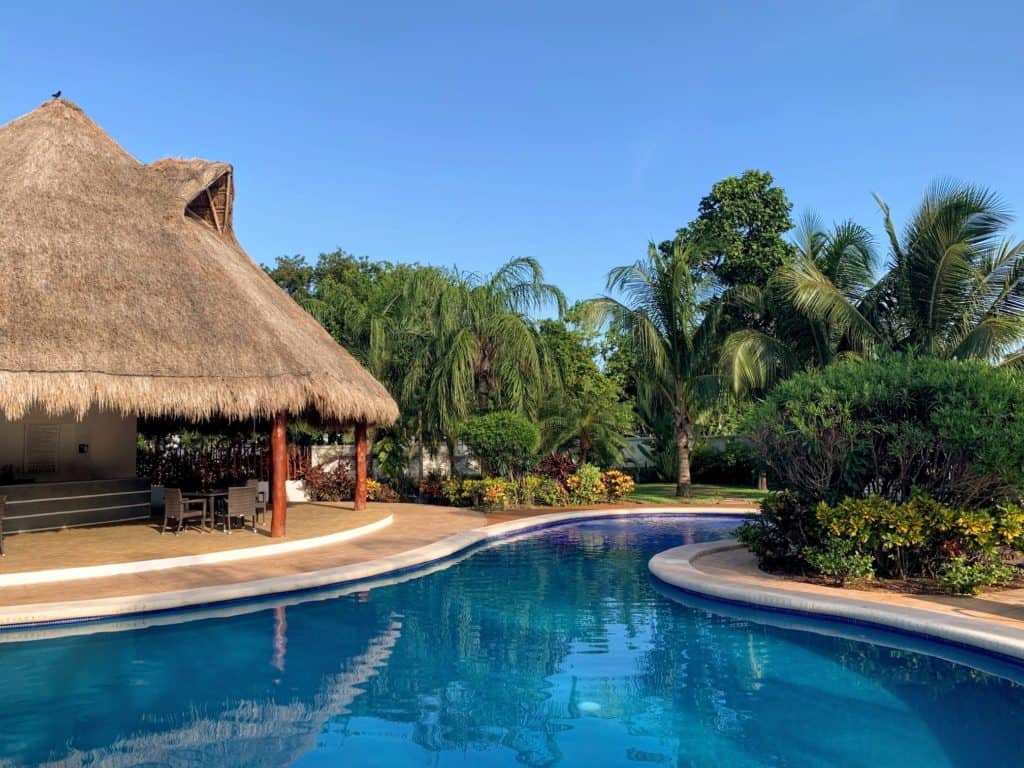
Basic maintenance like repairs, yard work, and pest control is your responsibility. If your property is in a condo or development, you will likely pay monthly or yearly maintenance fees- also known as mantenimiento. This usually covers things like common areas, community pools, a gym and in some cases part of your utilities.
You must respect local laws and community rules. Staying up to date on utilities, HOA fees, and permits is necessary. Not following maintenance rules can lead to fines or legal problems.
My Honest Advice Before You Buy Property in Mexico
If you are serious about buying in Mexico, I want you to do it the smart way.
Visit first.
Rent first.
Learn the neighborhoods.
Work with professionals who do this every day.
Do not rush because you are excited.
Do not buy because you feel pressured.
Do not assume Mexico works the same way as back home.
Buying property in Mexico can be a great decision. It can also be a stressful one if you skip steps or try to DIY the legal side.
And if you want help doing this the right way, that is exactly why I created the COMPLETE Mexico Relocation Guide. It walks you through the basic but most important information for renting and buying properties.
However, you shouldn’t have to try and do this on your own, I also give you my entire directory of vetted contacts like realtors, notarios, and real estate lawyers – all across Mexico.
Avoiding Common Scams
Scams can happen at different stages in the buying process. Some common scams include fake property titles, sellers misrepresenting what you are buying, and agents who disappear with your deposit. You might also encounter properties listed as “ejido” land, which is communal and cannot be legally sold to you.
To protect yourself, always:
- Check the property’s legal status with the local Public Registry.
- Use only trusted real estate agents and qualified notaries.
- Never pay large sums before verifying ownership and legal documents.
Ask for official receipts for every payment. Get everything in writing and make sure you understand each term. Carefully checking paperwork and being cautious with payments will lower your risks.
But even with the best due diligence, sometimes real estate scams can still happen. Which is why I believe in renting first before buying a property in Mexico. I’m not saying that buying property is a bad idea always, but I have heard too many horror stories to know that the only way to truly minimize your risk with real estate in Mexico is to just be a renter.