 Contact
  Account


If you’ve been dreaming about a beach lifestyle that doesn’t require a passport stamp and a six-hour flight, living in Rocky Point might be exactly what you’re looking for. Puerto Peñasco – the town locals and expats have called Rocky Point for decades – sits on the northern coast of the Sea of Cortez in the Mexican state of Sonora, just a 3.5-hour drive from Phoenix, Arizona.
With a population of about 63k people (about 6k of them being foreigners)- Peñasco is a mid size city in Mexico.
It’s close enough for a weekend trip, but compelling enough that thousands of people now call it home year-round.
This post isn’t about visiting Rocky Point for spring break.
It’s about what daily life actually looks like when you decide to move here: the neighborhoods, the cost, the real estate procedures, healthcare, safety, and the logistics nobody talks about on resort websites.
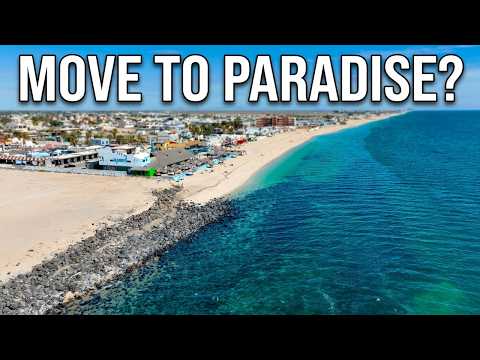
See our latest video breaking down what living in Rocky Point is truly like, or if you prefer to read this information, then I cover that below.
With the right plan, a couple can live comfortably here for significantly less than in most U.S. or Canadian beach towns – but I want you prepared with realistic expectations, not fantasy numbers.
We can connect you with trusted local contacts in Rocky Point, Mexico- including immigration facilitators, Mexican health insurance brokers, Rocky Point relocation tour guides, and more – to make your transition smoother.
Rocky Point works best for retirees, snowbirds, remote workers, and anyone who wants a drivable beach town close to the U.S. border.
Rocky Point, Mexico Basics: Location, Vibe, and Who Lives Here
Rocky Point and Puerto Peñasco are the same place, located on the northern shore of the sea of Cortez. The town sits about 66 miles south of the Arizona–Sonora border crossing at Lukeville/Sonoyta – roughly 215 miles from Phoenix and 220 miles from Tucson.
Many people also drive from California, though the route is longer.
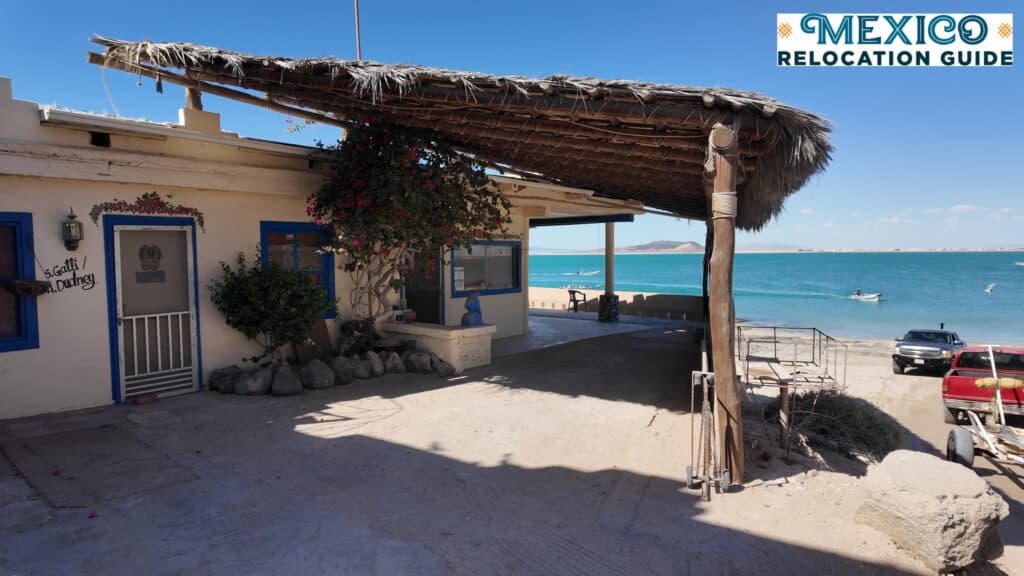
The town has a dual identity.
On weekends and holidays, it buzzes with tourism – families from Arizona filling sandy beach condos, ATVs on the dunes, and waterfront dining packed shoulder to shoulder.
During weekdays, it transforms into a quiet community where every Mexican citizen and long-term expat knows their neighbors by name. Rocky Point residents enjoy a family-oriented environment with beach access and historical charm, especially around the Old Port malecón area.
- High season (October–May): mild weather, snowbird influx, more business activity on the city streets
- Summer (June–September): temperatures often exceed 95°F (35°C), humidity rises, crowds fall, and prices drop.
English is widely spoken in tourist areas, but for utilities offices, government procedures, and local shopping, Spanish is the norm.
Rocky Point has a small-town feel with essential services like supermarkets and pharmacies, plus a laid-back atmosphere with activities like kayaking and waterfront dining.
Many expats split time between here and the U.S., using it as a second home, while some families and remote workers now live here full-time. The history of this town as a fishing village still shapes its relaxed, coast-meets-desert paradise character.
Best Areas to Live: Sandy Beach, Las Conchas, and Other Neighborhoods
Each Rocky Point neighborhood offers a very different lifestyle and budget. I always suggest renting first in the area you’re considering before you buy anything. Rocky Point varies greatly in community vibe and lifestyle based on specific locations.
Sandy Beach:
- High-rise condos with pools, resort amenities, on-site restaurants, and direct beach access
- More of a resort feel than a true neighborhood – popular with weekend visitors and investors
- Higher HOA fees but stronger short-term rental demand if you plan to rent out part-time
- Rocky Point has a resort-like atmosphere here and consists mainly of waterfront condos
Las Conchas:
- Established residential beachfront and second-row houses, from modest casitas to stunning oceanfront villas
- Quieter, more neighborhood-oriented, with a mix of Mexican families and foreign owners
- Very popular with long-term expats who want walkable beach living – imagine morning coffee with nothing but waves and neighbors who wave back
Other Areas:
- Cholla Bay: bay-side, rustic, close-knit – great if you want quiet and don’t mind shallow tides
- Playa Encanto / Playa La Jolla: further east with wider beaches, fewer services, better for seclusion if you don’t mind driving into town
Sandy Beach and las conchas are the most popular buying areas in Rocky Point.
When choosing, look at proximity to hospitals, supermarkets, schools if you have family, HOA rules, weekend noise levels, and whether you prefer walkability or are fine driving.
We can connect you with vetted local real estate professionals and relocation tour guides who can show you each area so you can compare in person. See what’s included in our COMPLETE Mexico Relocation Guide
Cost of Living in Rocky Point: What You Really Spend Each Month
Some videos and blog posts quote numbers under $800 per month, and while living costs in Rocky Point can technically stay under $800 per month with groceries and utilities included in that budget, that’s a tight lifestyle.
Here are realistic ranges in USD for 2025–2026 based on actual cost data:
| Expense | Monthly Range (USD) |
|---|---|
| Rent (1-bed in town, not beachfront) | $400–$700 |
| Rent (beach condo or house) | $700–$1,200+ |
| Utilities (electricity, water, gas) | $40–$250 (seasonal) |
| Internet + mobile | $40–$80 |
| Groceries per person | $200–$400 |
| Dining out | $100–$250 |
| Transportation (gas, insurance) | $80–$150 |
The cost of living in Rocky Point is generally lower than in the U.S.
Compared to Phoenix or San Diego, you’ll spend far less on housing and healthcare.
Local produce, seafood, and Mexican brands are cheap. Imported U.S. brands and specialty foods can cost the same or more.
New residents can expect a high percentage of renters and above-average housing costs in beachfront zones.
Average daily rental rates for oceanfront condos in Rocky Point are around $150 USD for long-term stays, while the average daily rate for short-term vacation rentals sits at $200 USD/Day.
Rental occupancy increased by 41% from last year, and Rocky Point’s average hotel occupancy was 26% in 2025 – meaning the market is growing but not saturated.
Full-time residents should also budget for private medical and dental care, occasional border trips for shopping, residency paperwork, and annual fideicomiso or HOA fees.
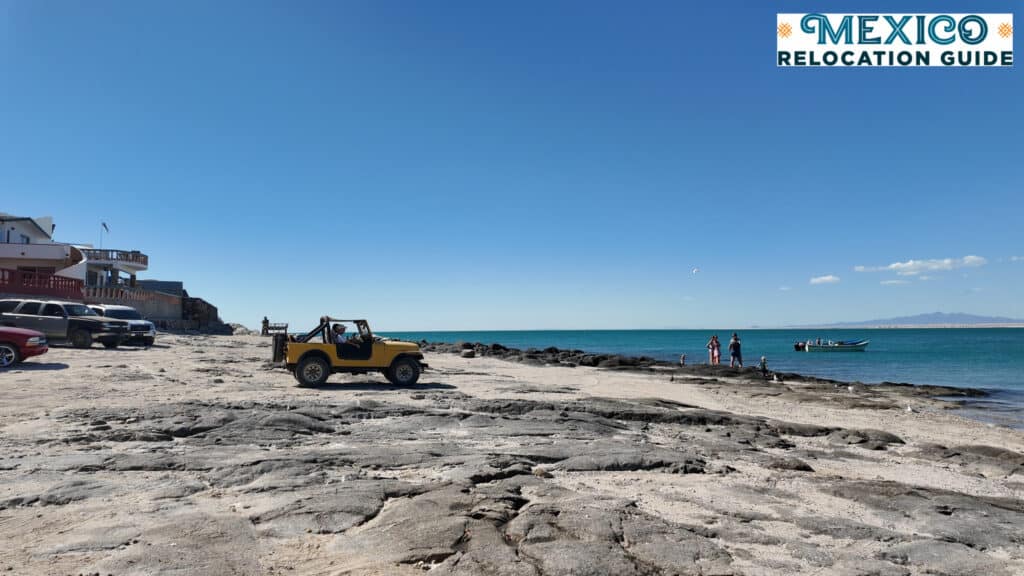
Housing and Real Estate in Puerto Peñasco: Renting vs. Buying
Puerto Peñasco is in Mexico’s restricted zone (within 50 km of the coast), so foreigners can own property in Mexico through fideicomiso – a bank trust for property ownership. A fideicomiso is valid for 50 years and renewable.
Renting:
- Start with a 6–12 month rental to learn the town, confirm your preferred area, and experience seasonal changes before committing
- Deposits typically require one month’s rent plus a security deposit; sometimes a guarantor is needed.
- Long-term rentals are far cheaper than vacation rentals on platforms like Airbnb or Vrbo. Here’s a guide on finding the best rentals in Mexico.
Buying:
- The bank holds the title as trustee; you are the beneficiary with full rights to sell, transfer, or pass on the property
- It takes about 90 days to close on a property in Rocky Point when paperwork is straightforward (including the fideicomiso and SRE permits needed)
- Closing costs typically range from 3% to 6% of the purchase price, covering trust setup, notario fees, and taxes
- Property taxes in Mexico are around $200 per year for oceanfront homes – a factor that shocks most Americans on how low they are!
Common pitfalls to avoid:
- Buying solely for short-term rental income without understanding HOA laws and local rental regulations
- Skipping due diligence on title, liens, and existing trust status when buying
- Relying on verbal promises or non-vetted agents – press for documentation every time
Daily Life in Rocky Point: Services, Healthcare, and Safety
Picture a typical week: quiet weekday mornings walking the malecón, errands on the city streets, fresh shrimp from the market, and weekends that get livelier as visitors roll in.
Residents have access to waterfront recreation and dining options year-round. Rocky Point offers a beach lifestyle with activities like boating and fishing, and residents can enjoy recreational activities like kayaking and paddleboarding.
Outdoor activities such as jogging and boating are popular across neighborhoods.
Healthcare:
- Rocky Point has a local hospital (not Level One Trauma), plus urgent care and clinics for routine needs.
- Facilities like Sandy Beach Urgent Care (formerly One Stop Medical), Clínica Santa María, and Clínica San Jose are private, cater heavily to US tourists/expats, have English-speaking staff, and offer 24-hour emergency care
- Local medical care is often cheaper for routine work – basic procedures can cost as low as $25, and most medical services are paid out of pocket
- Many people from Arizona visit Rocky Point specifically for dental services
- For complex conditions, you’ll travel to Hermosillo, or across the border to Phoenix/Tucson
- I strongly suggest securing private health insurance – our guide includes vetted brokers
Shopping and services:
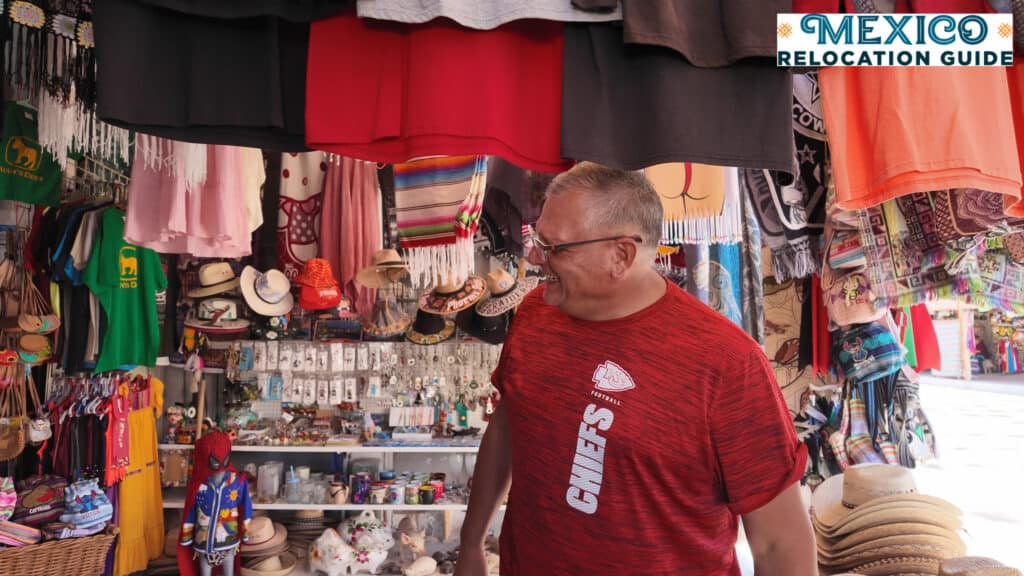
- Local mercados, grocery stores, and at least one larger supermarket chain cover most needs
- Hardware stores, veterinary clinics, mechanics, and home services (cleaning, gardening) are all available
- Some specialty items require border trips or online orders – plan accordingly
Safety: Rocky Point has almost no violent crime, and property crime is infrequent. Many residents feel safer in Rocky Point than in Tucson. Take normal precautions: lock doors, don’t leave valuables in vehicles, stay aware at night.
Local police can be reached at +52 638-383-2626, and emergency services include ambulance and fire departments. This is a great place where day-to-day life for residents is generally calm.
Community: Integrate by attending local events, markets, and festivals. Rocky Point is a place where long-term Mexican residents, cross-border families, and expats coexist – respect for local customs and language goes a long way.
The area is known for a tranquil retreat with country charm and outdoor living, and it blends waterfront relaxation with city conveniences. Rocky Point has a relaxed coastal atmosphere, and residents in some neighborhoods enjoy access to outdoor activities like hiking and boating. It also has beautiful bay views and proximity to the local airport.
Residency, Border Crossing, and Practical Logistics
Many people first visit Rocky Point on a tourist permit, but if you plan to live here, you should consider getting Mexican temporary or permanent residency. The difference between a 180-day FMM and actual residency matters for banking, contracts, and vehicle registration.
- Most people apply at a Mexican consulate in the U.S. or Canada based on income or savings requirements
- As a resident, you’ll have fewer issues with repeated border crossings and can open Mexican bank accounts more easily
Border and driving: The Lukeville–Sonoyta crossing is the standard route. Wait times vary by season and hour – holiday weekends can mean an hour or more.
Rocky Point is not especially walkable for daily errands and requires a car for most needs; it’s more of a residential and business district than a walkable neighborhood. Many expats drive U.S.-plated vehicles because this is one of Mexico’s free zones- which allows you to drive without needing a Temporary Import Permit. You do need Mexican auto insurance. Avoid driving at night between the border and Rocky Point if you’re not familiar with the road.
Banking: ATMs work for withdrawing pesos, but fees vary. Open a Mexican bank account once you have residency – our guide includes step-by-step videos.
Pets and moving: Bringing dogs and cats is straightforward with vaccination records, and meeting current requirements. I’d advise against bringing full moving trucks without professional advice – furnishing locally is often simpler and cheaper.
How Mexico Relocation Guide Can Help You Move to Rocky Point
Imagine your first year in Rocky Point feeling supported instead of overwhelmed by Spanish paperwork, confusing real estate offers, or difficult bureaucracy. That’s what we do.
What we offer:
- A step-by-step online course covering visas, cost of living, banking, healthcare, and real estate in general in Mexico.
- A vetted directory of local professionals: bilingual rental assistance, immigration facilitators, Mexican health and auto insurance brokers, local relocation tour guides, moving companies and more!
- Custom tours in Rocky Point with trusted local guides so you can see Las Conchas, Sandy Beach, Cholla Bay, and Playa Encanto with an expert – not a salesperson
You can reach out to be connected directly with locals in Rocky Point who have been vetted and are trustworthy.
Our private Facebook community lets you talk to real expats already living in Mexico who can answer your specific questions and share insights from their own experience.
Moving to Rocky Point is absolutely doable when you have accurate information, realistic expectations, and a trusted network before you pack a single box. Living in Rocky Point offers a serene coastal lifestyle with beautiful beaches – and the right advice makes all the difference.