 Contact
  Account


San Pancho- officially known as San Francisco in Bahía de Banderas, Nayarit, Mexico—is a compact Pacific coast town that sits about 50 minutes to an hour north of Puerto Vallarta International Airport. With a population of just a few thousand permanent residents (plus a seasonal influx of expats and snowbirds), this jungle-backed beach pueblo has earned its reputation as the cultural capital of Riviera Nayarit.

We have a full living in San Pancho breakdown in this video. But if you prefer to read about San Panchos, I cover that below.
This post isn’t about visiting San Pancho for a week. It’s about what it actually takes to live or retire here. The kind of information that U.S. and Canadian expats need before making a relocation decision.
We’ll cover the real cost of living, the honest pros and cons, what the infrastructure looks like, how to get around, what makes San Pancho unique compared to Puerto Vallarta and Bucerías, what the locals are like, and how to be a respectful member of this tight-knit community.
At the end, you’ll learn how Mexico Relocation Guide can connect you with vetted contacts who specialize in residency visas, long-term rentals, home purchases, moving household goods and pets, and private relocation tours throughout the region.
Why San Pancho appeals to relocating expats:
- Walkable village lifestyle where you can live car-free
- Strong community spirit with arts, music, and environmental projects
- Quieter alternative to tourist-heavy Puerto Vallarta and party-focused Sayulita
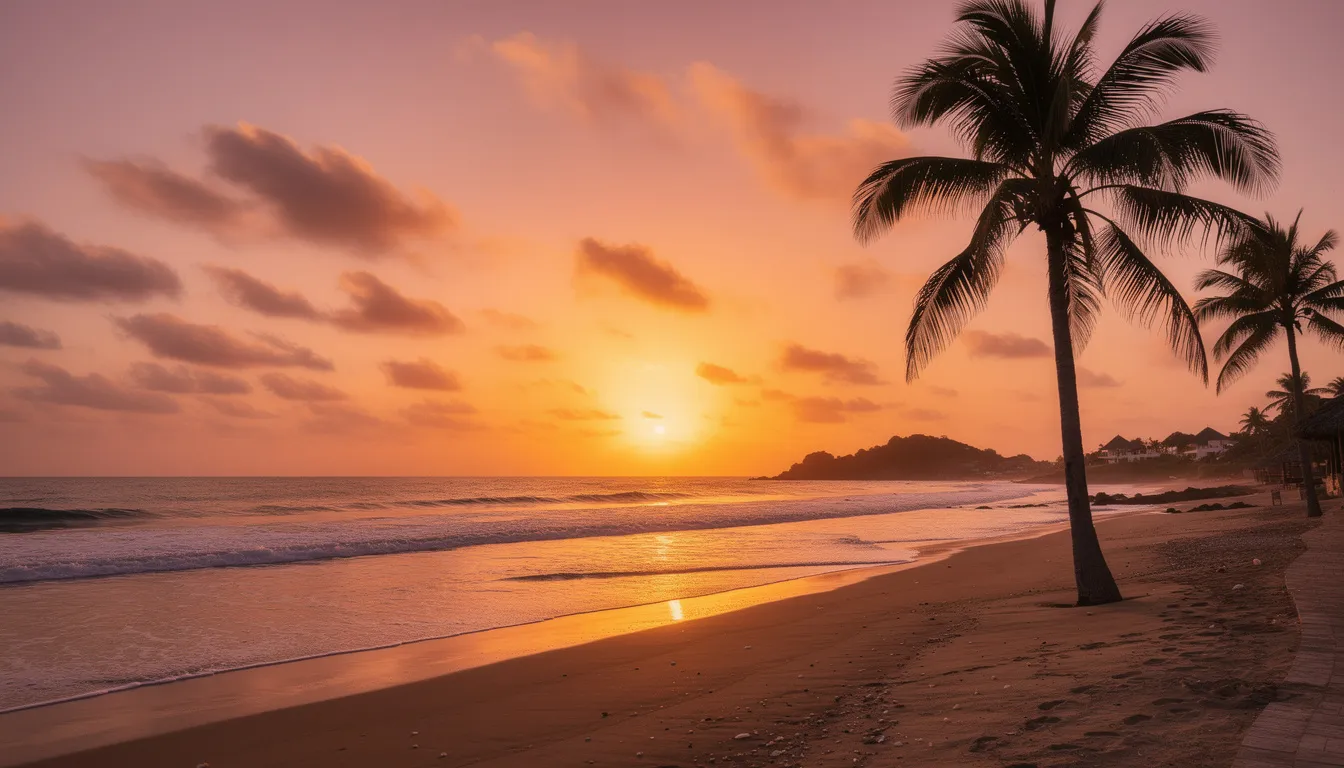
- Direct beach access with stunning sunsets over the Pacific Ocean
- Manageable size that makes integration easier than large cities
- Proximity to international airport and modern medical facilities in PV
Where Is San Pancho and What Is It Like?
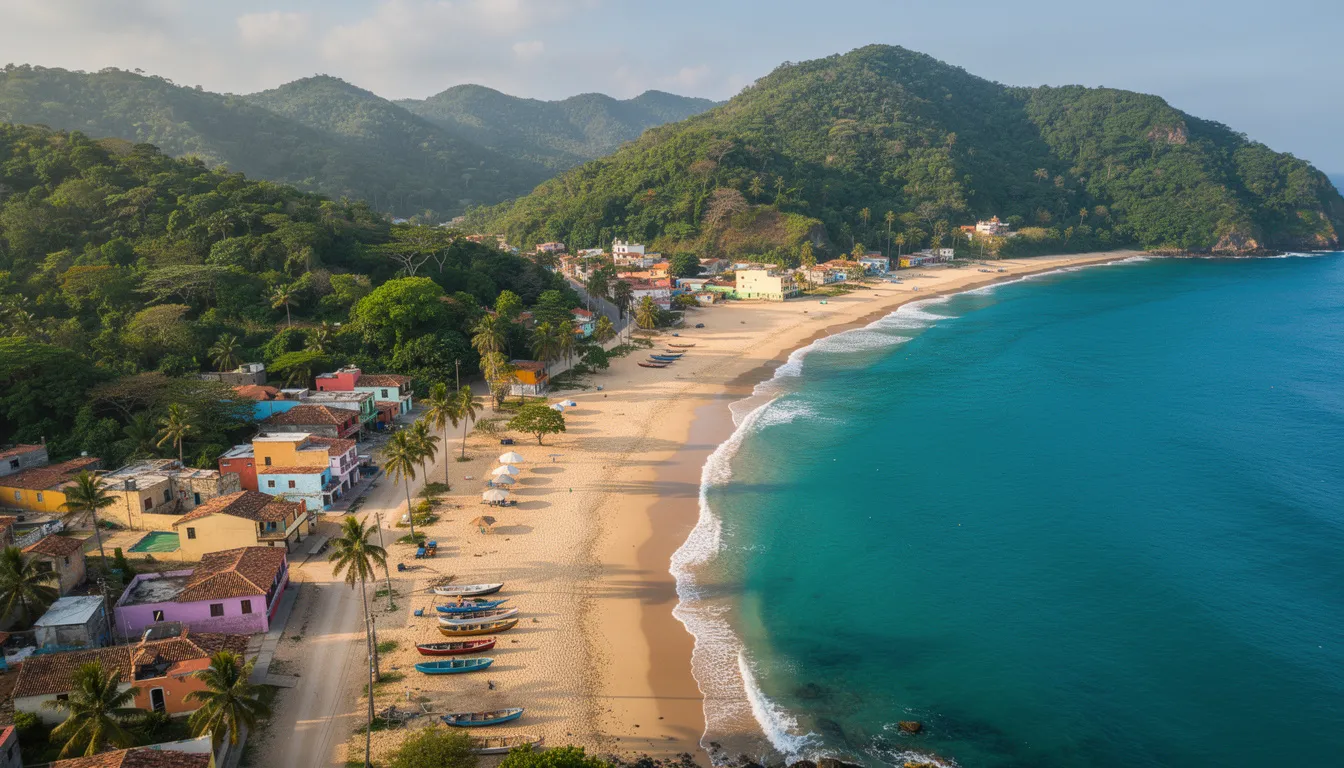
San Pancho sits on the Riviera Nayarit coast, approximately 25–30 miles (40–50 km) or about an hour north of Puerto Vallarta. It’s about 10–15 minutes north of the surf town Sayulita, just off Highway 200. The town is located where the Sierra Madre foothills meet the Pacific coast, creating a dramatic backdrop of jungle-covered hills behind a half-mile stretch of sandy beach.
The physical layout is compact and easy to understand. Cobblestone streets run from the highway down toward the ocean, with most of the town fitting within a 15-minute walk end to end. The main thoroughfare, Calle Tercer Mundo, serves as the commercial spine where you’ll find restaurants, small shops, an art gallery or two, and the community center that hosts events year-round.
There are roughly two zones worth knowing. The “Costa Azul” area at the north end of the beach is quieter, with more vacation rentals and residential properties surrounded by tropical vegetation. The “pueblo” side is where daily life happens—the plaza, the church, the tortillerías serving warm tortillas in the morning, and the handful of spots with live music in the evenings.
If you’ve spent time in Sayulita, you’ll notice the difference immediately. Where Sayulita has grown into a bustling surf destination with heavy foot traffic, packed bars, and a younger party crowd, San Pancho remains more mellow. Mornings are quiet. Afternoons drift by. Evenings center around sunset on the beach or a simple dinner in town. It’s not dead—there are colorful personalities everywhere—but the pace is deliberately slower.
Cost of Living in San Pancho
San Pancho is no longer the “super cheap secret” it may have been twenty years ago. Rising demand from expats, seasonal visitors, and remote workers has pushed housing costs above many inland Mexican towns. That said, day-to-day living remains significantly more affordable than most parts of the U.S. and Canada.
Monthly budget estimates for a couple (2024–2026, in USD):
| Lifestyle | Monthly Range | Notes |
|---|---|---|
| Modest (local-style) | $1,800–$2,200 | Inland rental, cooking at home, limited AC |
| Comfortable (most common) | $2,500–$3,500 | 2BR near center, eating out regularly, some travel |
| Higher-end | $4,000–$6,000+ | Ocean-view home, premium amenities, vehicle |
Typical long-term rental ranges:
- Studio or 1-bedroom away from beach: $700–$1,000 USD/month
- 2-bedroom near the center: $1,200–$1,800 USD/month
- Premium ocean-view homes: $2,500–$4,000+ USD/month
- Note: High season (November–April) commands premium pricing; low season (June–September) offers 20–40% discounts
Estimated monthly line items:
- Rent: $800–$2,500 depending on location and size
- Utilities (CFE electricity with AC, water, garbage): $100–$250
- Internet (Telmex or local wireless ISP): $40–$60
- Prepaid cell service (Telcel with data): $15–$30
- Groceries and markets: $300–$500 for a couple
- Eating out: $200–$400 (street tacos run $2–$4, meals at Bistro Organico or similar spots $15–$25)
- Transportation: $50–$150 if car-free, more with vehicle ownership
- Private health insurance: $100–$200/month depending on age and coverage
The bottom line: you can live well here for significantly less than coastal California or Florida, but San Pancho isn’t the cheapest option in Mexico. Limited rental inventory and strong seasonal demand keep housing costs elevated compared to non-tourist towns.
Pros and Cons of Living in San Pancho
No place is perfect, and San Pancho fits a certain type of expat better than others. Here’s an honest breakdown to help you assess whether this town matches your priorities.
Pros:
- Walkable village lifestyle where daily errands happen on foot
- Strong sense of community with regular interaction between locals and expats
- Thriving artistic and cultural scene—galleries, community centers, concert hall events, and numerous initiatives carried out by local organizations
- San Pancho beach offers direct access to the Pacific with fewer crowds than neighboring towns
- Family-friendly atmosphere with educational projects, turtle conservation programs, and safe streets where kids play soccer in the evenings
- Relatively low violent crime rates compared to many large North American cities
- Pleasant dry-season climate from November through April with warm days and cool nights
- Easy access to Puerto Vallarta’s international airport and larger medical facilities (45–60 minutes)
- Abundant options for yoga, wellness retreats, and outdoor activities—several properties offer on site yoga and a heated saltwater pool
Cons:
- Higher housing costs than many inland Mexican towns due to limited inventory and tourist demand
- Difficult to find long-term rentals, especially pet-friendly options, during high season
- Hot, humid summers with tropical storms from June through October (late October marks the transition)
- Occasional hurricanes affect the broader Riviera Nayarit region
- Patchy internet and cell reception in some areas—a real concern for remote workers who need reliable connectivity all the time
- Limited nightlife compared to Puerto Vallarta or even Sayulita
- Small-town limitations: no large malls, limited specialty shopping, and some services require trips to PV
- Seasonal crowding during peak months can change the town’s feel temporarily
- Potential noise from festivals or private events near the plaza
- Need to drive or take buses to nearby cities for major shopping, IMSS hospitals, or consular visits
This isn’t a place for everyone. But if you prioritize community over convenience and nature over nightlife, the pros may significantly outweigh the cons.
Infrastructure, Services, and Internet in San Pancho
San Pancho has decent basic infrastructure for a small coastal pueblo, but don’t expect the same level of services you’d find in Guadalajara or Monterrey. Part of the town’s charm is its simplicity, and that comes with trade-offs.
Utilities:
CFE electricity is generally reliable, though outages occur during tropical storms. Most homes use window AC units or mini-splits, which can drive up electric bills significantly during hot months. Municipal water service exists, but like most of Mexico, you should drink purified or bottled water rather than tap. Sewer and garbage collection follow the typical small-town Mexican routine—functional but not elaborate.
Healthcare:
For a small town, San Pancho has surprisingly decent local medical access thanks to infrastructure built during President Luis Echeverría’s ambitious development project in the 1970s. The teaching hospital he established still operates today, providing basic care and serving surrounding communities. For more advanced procedures, specialists, or emergencies, most expats head to hospitals in Bucerías, Nuevo Nayarit, or Puerto Vallarta (approximately 45–60 minutes by car).
Internet and connectivity:
This is where expectations need adjustment. Main providers include Telmex (the most common), Totalplay where available, and various local wireless ISPs. Speeds range from adequate for video calls to frustratingly slow during peak hours or storms. Periodic outages happen, especially in rainy season. Remote workers should have backup options (cell data hotspots) and realistic expectations about connectivity interruptions.
Cell service:
Telcel offers the strongest coverage, with AT&T Mexico as a secondary option. Signal strength varies by neighborhood—some hillside areas get weaker reception. The good news: inexpensive prepaid plans with generous data and free calling to the U.S. and Canada make staying connected affordable.
Banking and ATMs:
At least one ATM exists in town, but cash shortages happen, especially during busy weekends. Experienced expats withdraw larger amounts in Puerto Vallarta or Bucerías and carry multiple debit/credit cards as backup.
Other services:
Small grocery shops (tiendas) line the main streets. Weekly markets bring fresh produce, fish, and local goods. Specialty organic stores cater to health-conscious residents. Laundries, small gyms, yoga studios, and the community centers (like Entreamigos) serve as social and educational hubs where locals and expats mix naturally.
Getting To and Around San Pancho
Most expats and visitors arrive via Puerto Vallarta International Airport (PVR), one of Mexico’s major gateways on the Pacific coast. From there, you’ll travel north along Highway 200 toward the Riviera Nayarit.
Getting from PVR to San Pancho:
| Option | Approximate Cost (2024) | Travel Time | Notes |
|---|---|---|---|
| Authorized airport taxi | 1,500–2,000 pesos (~$90–$120 USD) | 50–60 min | Fixed rates, available 24/7 |
| Uber/regular taxi from pedestrian bridge | 700–1,000 pesos (~$40–$60 USD) | 50–60 min | Cross the bridge, exit airport zone |
| Public bus | 80–150 pesos (~$5–$9 USD) | 90+ min | Cheapest but slowest, limited luggage space |
Key distances and times:
- PVR Airport to San Pancho: ~50–60 minutes by car
- Sayulita to San Pancho: ~10–15 minutes
- San Pancho to Bucerías: ~30–40 minutes
- San Pancho to Puerto Vallarta (downtown): ~45–60 minutes
Getting around town:
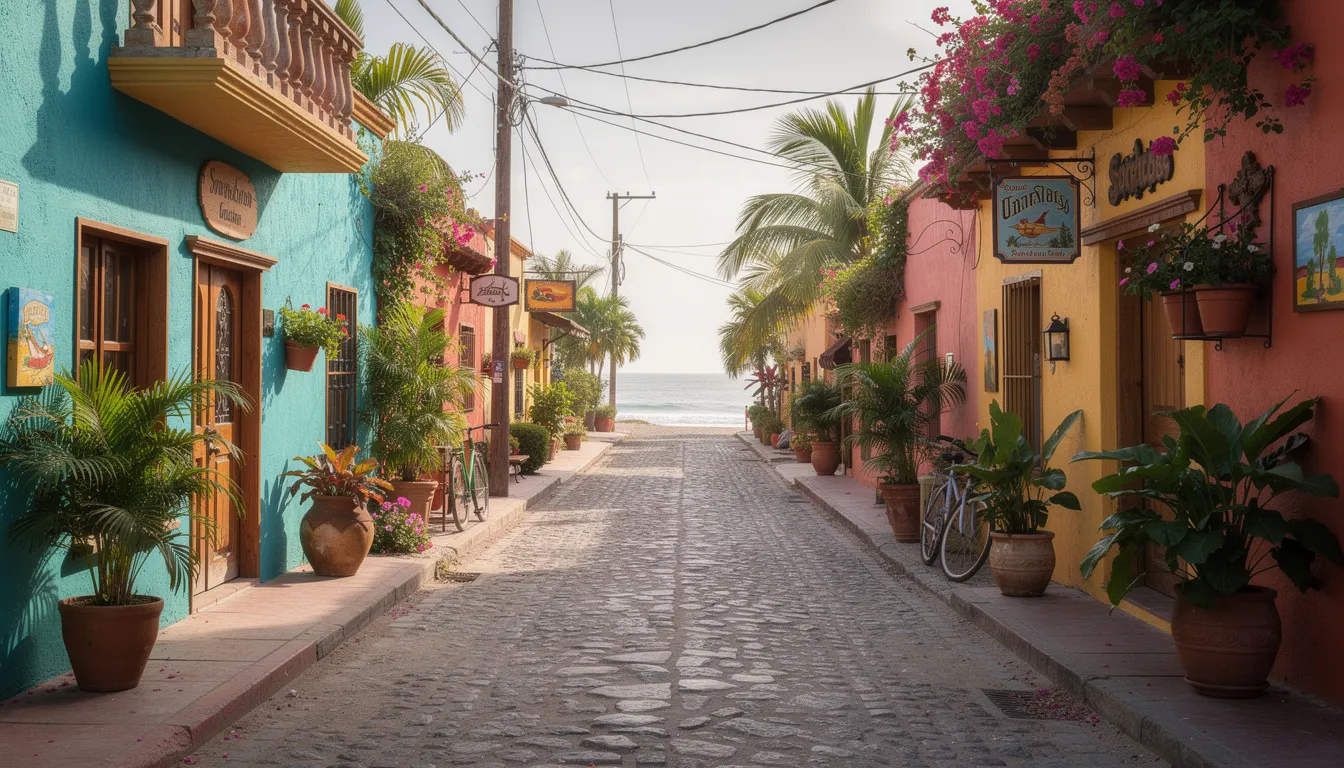
San Pancho is extremely walkable. You can cross the entire pueblo end-to-end in under 20 minutes. Cobblestone streets, limited parking, and the compact layout mean most residents walk or bike for daily errands. A car is optional for day-to-day life in town.
When you need wheels:
Some residents keep a car for regional travel—trips to Puerto Vallarta, larger supermarkets (Costco, La Comer, Mega), medical appointments, or exploring the north coast. Regional buses and colectivos run along Highway 200, offering budget-friendly transport to Sayulita, Bucerías, and Puerto Vallarta.
For exploring multiple towns in a day trip or scouting neighborhoods before relocating, hiring private drivers or booking a private relocation tour makes sense. You’ll cover more ground efficiently and get local insights along the way.
What Makes San Pancho Unique vs. Puerto Vallarta and Bucerías?
Many people tour multiple towns—Puerto Vallarta, Bucerías, Sayulita, San Pancho—before choosing where to live. Each has a distinct personality, and understanding the differences helps you make the right decision.
San Pancho vs. Puerto Vallarta:
- Puerto Vallarta is a sizable city with high-rise condos, cruise ship traffic, substantial nightlife, shopping malls, and multiple hospitals. San Pancho is a small village with one main street, no big resorts, and a slower, more intimate feel.
- PV offers better infrastructure, more job options, and robust medical facilities. It also has heavier traffic, more urban noise, and higher-density tourism.
- If you want urban conveniences with a Mexican beach vibe, Puerto Vallarta delivers. If you want a special place where you know your neighbors and can walk everywhere, San Pancho fits better.
San Pancho vs. Bucerías:
- Bucerías is larger and flatter, with a long bayfront beach on the Bay of Banderas, more condominium developments, and easier access to big-box stores. It’s growing rapidly with increasing expat density.
- San Pancho is more bohemian and artistic, with stronger emphasis on community projects and promote Mexican culture through numerous initiatives and educational projects.
- Bucerías offers more restaurant variety and is closer to PV’s amenities. San Pancho offers quieter seclusion and stronger community spirit.
What makes San Pancho unique:
The town earned its “cultural capital of Riviera Nayarit” nickname through genuine community investment. Turtle conservation programs run during nesting season. Community centers host art classes, circus workshops, and youth programs. You’ll find exceptional images painted on walls throughout town, created by local and international artists. The polo club nearby (La Patrona Polo Club) hosts international polo tournaments where visitors can watch top players play polo or even take private lessons—an unexpected find for such a small town.
Weekly events blend locals and expats naturally. Live music at small venues. Art shows at the gallery. Community beach cleanups. Festivals that celebrate both indigenous tribes’ heritage and modern Mexican culture.
Those who prioritize walkability, a “everyone knows your name” small-town experience, and an artsy, wellness-oriented lifestyle tend to choose San Pancho over its bigger, more commercialized neighbors. The town also includes San Pancho’s bucket list experiences like watching nesting sea turtles, catching stunning sunsets from the beach, and discovering great food at spots that feel more like someone’s kitchen than a restaurant.
The Local Community and Expat Life in San Pancho
The community in San Pancho is a blend that works surprisingly well: longtime Mexican families who’ve lived here for generations, seasonal workers, artisans, surfers, and a growing but still manageable number of expats and digital nomads from the U.S., Canada, and Europe.
The character of locals:
Mexican residents tend to be warm, family-oriented, and deeply connected to the town’s history. Many families trace roots to the fishing communities and ejido traditions that defined San Pancho before tourism arrived. You’ll see this in how people participate in festivals, support local businesses, and gather at the plaza for community events. First inhabitants of this region included indigenous tribes—the Huichol (Wixárika) and Cora peoples—whose cultural influence still touches local traditions.
The fishing heritage remains visible, even as the town has evolved. Small-scale fishing operations continue alongside boutique hotel development. The original coconut plantations that produced coconut oil during the colonial period have given way to mango orchards and tourism, but agriculture still shapes the rhythm of life in surrounding areas.
How expats integrate:
Successful integration usually involves genuine participation rather than observation. This means volunteering with community centers or environmental projects, joining yoga classes or language exchanges, and supporting local markets and events. The community center hosts regular activities that bring Mexicans and foreigners together naturally.
English is fairly common in tourist-facing businesses, but Spanish is the default language. Learning at least basic Spanish greatly appreciated by locals and transforms daily interactions from transactions into relationships.
Safety and day-to-day feel:
San Pancho generally feels safe. Neighbors look out for each other. Kids play soccer on the streets in the evening. Sunset gatherings on the beach are a daily ritual. Standard precautions apply—use locks, don’t leave valuables visible on the beach—but the overall atmosphere is relaxed and welcoming.
What you won’t find is an isolated “expat bubble.” Living here means participating in a mixed community where your Mexican neighbors are as important as your English-speaking friends.
How to Be a Good Expat in San Pancho (and in Mexico in General)
Moving to San Pancho means joining an existing community, not creating a new enclave. The expats who thrive here approach relocation with humility and genuine respect for Mexican culture.
Cultural respect basics:
- Learn and use basic Spanish—greetings, please, thank you, numbers. Even imperfect efforts are greatly appreciated! You don’t have to be fluent.
- Respect local traditions and holidays. Participate when invited, observe respectfully when not.
Housing sensitivity:
- Avoid driving up prices by overpaying short-term “vacation rental” rates for long-term housing. This hurts the market for everyone.
- Don’t over tip when dining out. 10-15% is the norm across Mexico!
- Work with local agents and landlords rather than only using international platforms. Renting directly from the owner can also be best.
- Consider living slightly inland from the beach if budgets are tight. Some of the best community connections happen in regular neighborhoods, not oceanfront rentals.
Support the local economy:
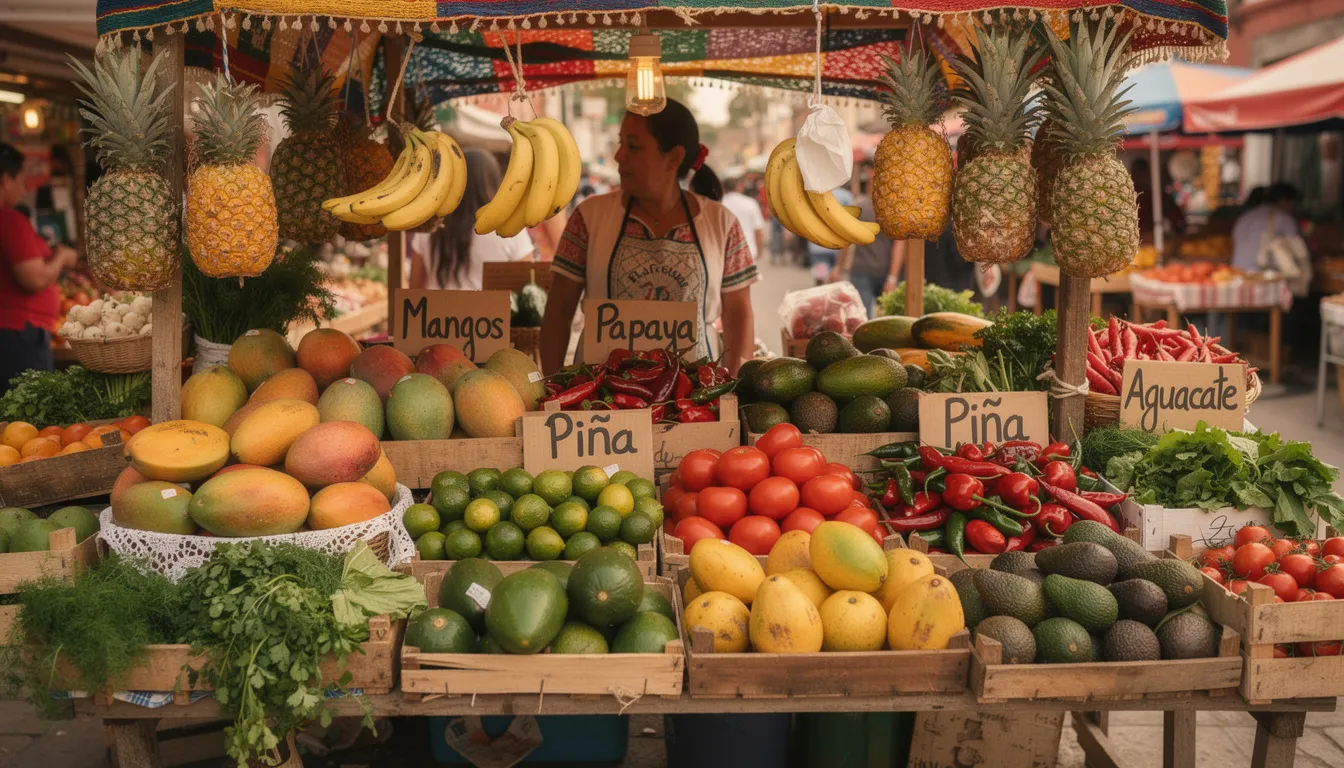
- Shop at family-owned tiendas and markets rather than only importing goods.
- Eat at local restaurants, including loncherías and fondas where the great food costs a fraction of tourist-oriented spots.
- Hire local service providers for cleaning, gardening, repairs, and other needs.
Noise and lifestyle awareness:
- Respect quiet hours, especially late at night. You’re living among families with children and workers who rise early.
- Be mindful with parties and sound systems. This isn’t an all-inclusive resort.
- Remember that what feels like “vacation mode” to you is everyday life for your neighbors.
Environmental responsibility:
- Participate in beach cleanups when possible. Several weeks of the year feature organized efforts.
- Reduce plastic use and dispose of trash properly.
- Follow guidelines during turtle nesting season—dim lights on the beach at night and follow conservation group instructions.
- Address environmental issues proactively rather than contributing to them.
Legal compliance:
- Follow Mexican immigration laws. Work with legitimate facilitators rather than cutting corners.
- Register vehicles correctly if importing permanently. Respect local driving rules.
- Don’t work or run a business without proper visa permission.
Being a good neighbor isn’t complicated. It starts with recognizing that you’re a guest in someone else’s home, even if you own property here.
Residency, Healthcare, and Practicalities for Moving to San Pancho
Anyone planning to live in San Pancho more than a few months a year should understand Mexico’s residency options and healthcare landscape. The rules aren’t impossibly complex, but they do require attention to detail.
Residency paths:
- Temporary Residency: Income or savings-based qualification. Typically requires proving monthly income of approximately $4300 USD a month OR $75k in Savings or Investments. Both NET amounts.
- Permanent Residency: Higher financial thresholds, or available through retirement (age-based), family ties, or after several years on temporary residency.
- Important: The process must begin at a Mexican consulate outside Mexico, unless you have ties to a Mexican resident or citizen. You cannot convert a tourist visa to residency while in the country.
Financial requirements change frequently and vary by consulate. Forum posts from several years ago may be dangerously outdated. Work with current, verified information from reliable sources.
Healthcare options:
- Private clinics and hospitals in Puerto Vallarta and Nuevo Nayarit provide quality care for most needs.
- Public systems like IMSS are available to residents but require enrollment and have limitations.
- Many expats combine low-cost local care (routine visits, pharmacies) with international private insurance for emergencies and specialized treatment.
- Local pharmacies stock common medications, often available without prescriptions that would require them in the U.S.
Other practicalities:
- Mexican bank account: Often requires residency to open. Useful for paying CFE bills, receiving pesos, and avoiding foreign transaction fees.
- Phone service: Get a Mexican number early. Prepaid Bait or Telcel plans with U.S./Canada calling are cheap and convenient.
- Vehicle decisions: Many residents live happily without a car in San Pancho. If you need wheels for regional travel, buying locally is often simpler than importing.
- Utilities: CFE electric bills can be paid at OXXO convenience stores. Water bills vary by municipality.
Mexico Relocation Guide connects customers with vetted immigration facilitators, healthcare brokers, realtors, private relocation tour guides and other professionals who operate throughout San Pancho, Bucerías, and Puerto Vallarta. See what’s included in our COMPLETE Mexico Relocation Guide.
Housing: Renting and Buying in San Pancho
Housing is one of the biggest decisions and expenses for anyone relocating to San Pancho. Limited supply and strong seasonal demand create a competitive market that requires patience and local knowledge.
Renting in San Pancho:
Long-term leases (6–12 months) offer the best value but can be hard to find during high season. Most people find rentals through:
- Local real estate agents with ground-level knowledge
- Word of mouth within the expat community
- Facebook groups (search “San Pancho rentals”)
- Walking the streets and spotting “se renta” signs
Starting with a short-term rental to explore makes sense. Spend a month or two in town before committing to a year-long lease. Visit during different seasons if possible.
Price factors:
- Beach proximity commands premium pricing. A home on the “Costa Azul” side near the water costs significantly more than a comparable place several blocks inland.
- Many rentals are simple construction—concrete, basic kitchens, minimal insulation, but can be charming and functional.
- Pet-friendly options are limited and competitive. Start searching early if you’re bringing animals.
Buying property:
Foreigners can buy property in San Pancho through a fideicomiso (bank trust), which is standard for purchases within Mexico’s restricted zone (within 50 km of the coast). The process involves:
- Finding a property (work with agents who know the local market)
- Negotiating price and terms
- Working with an independent closing attorney
- Using a reputable notario to finalize the transaction
- Paying closing costs (typically 5–8% of purchase price)
San Pancho has lower inventory of titled land and houses compared to larger markets like Puerto Vallarta. Properties may sit available for some time, or they may sell quickly through local networks before hitting broader listings.
Mexico Relocation Guide can refer you to vetted, local-knowledge realtors and buyer’s agents who understand both the San Pancho market and the broader Bay of Banderas region, including Nayarit Mexico and surrounding areas. See what’s included in our COMPLETE Mexico Relocation Guide.
Daily Life, Activities, and Community Involvement
A typical day for a retiree or remote worker in San Pancho might look something like this: morning coffee on the patio while the jungle wakes up, a walk to the bakery for fresh bread, several hours of work or errands, afternoon break during the hottest part of the day, sunset at the beach, and evening dinner in town—maybe at a palapa restaurant with great food and cold drinks.
Popular everyday activities:
- Beach walks and swimming (note: Pacific currents can be strong; know your limits)
- Yoga and wellness classes at various studios and retreat centers
- Surfing (San Pancho has decent breaks for experienced surfers; beginners often head to Sayulita)
- Pickleball or soccer games with locals and expats
- Volunteering with community organizations
- Art classes and gallery visits. You can find exceptional images painted by local artists throughout town
Community institutions and traditions:
- The community center and library host regular events and serve as social hubs
- Environmental projects like turtle conservation and beach cleanups run seasonally
- Festivals throughout the year celebrate everything from patron saints to music and food
- Private events at the polo club bring an unexpected touch of international sport to the region
Weekly routines:
- Shopping at the Tuesday market during high season for fresh produce, fish, and crafts
- Meeting friends at cafes along Calle Tercer Mundo
- Catching live music at local venues
- Day trip options to Sayulita, Bucerías, or even the mountains
- Breakfast at a local spot—hot coffee, eggs, and warm tortillas- for ~ $8 USD
For remote workers:
Choose rentals specifically for internet quality. Ask previous tenants about reliability. Have backup connections (cell data hotspots work in most areas). Set realistic expectations—you’ll likely experience occasional connectivity interruptions, especially during storms. The life here is worth minor inconveniences, but plan accordingly.
Is San Pancho Right for You? Who It Suits Best
San Pancho attracts people who value community, nature, and slower living over big-city conveniences and nightlife. It’s not for everyone, and that’s part of what keeps it special.
People who tend to thrive here:
- Retirees who enjoy walking, simple routines, and being part of a community
- Remote workers with flexible connectivity needs who can handle occasional interruptions
- Families who appreciate small-town schools, community involvement, and safe streets for kids
- Creative and arts-oriented individuals drawn to the cultural scene
- Wellness-focused people who want yoga, healthy food, and beach life without resort crowds
- Those seeking positive growth in their lives through simpler living
People who might struggle:
- Anyone requiring ultra-reliable high-speed internet every moment of the workday
- Those who prefer big-city amenities, shopping malls, and diverse restaurant scenes
- People wanting active nightlife and large expat social scenes
- Anyone needing frequent access to specialist medical care without traveling to PV
Our recommendation:
Visit at least twice before committing to a long-term move. If possible, come once during the pleasant dry season (November–April) and once during the hotter, more humid rainy season (June–October). The dream of San Pancho life looks different when it’s hot and humid and the afternoon storms roll through. If you still love it after experiencing both seasons, you’ve probably found your perfect place on the Pacific coast.
How Mexico Relocation Guide Can Help With Your Move to San Pancho
Mexico Relocation Guide is a fact-checked resource that helps people relocate to Mexico with less stress and fewer mistakes. We cover major cities, smaller beach towns like San Pancho, and everything in between.
What we offer:
Our online course is a lifetime-access guide with up-to-date information on visas, healthcare, real estate, renting, cost of living, banking, driving, and more—tailored specifically for foreigners making the move to Mexico.
Vetted professional directory:
Inside the guide, customers get access to a curated directory of vetted, English-speaking professionals who work in and around San Pancho, Bucerías, and Puerto Vallarta, and beyond.
- Immigration facilitators who handle temporary and permanent residency applications
- Real estate agents and buyer’s agents with local market knowledge
- Rental specialists who know the San Pancho inventory
- Moving companies experienced in relocating household goods from the U.S. and Canada
- Pet relocation experts who handle import requirements and logistics
- Healthcare brokers who help expats navigate Mexican insurance options
- Private relocation tour guides who can show you what living here is like
Services we can connect you with:
- Temporary and permanent residency visa facilitation
- Finding long-term rentals in San Pancho and surrounding towns
- Purchasing homes safely through proper legal channels
- Moving household goods across the border
- Importing pets with proper documentation
- Arranging private relocation tours that include San Pancho, Sayulita, Bucerías, and Puerto Vallarta
Private community:
Our private Facebook community connects you with existing members who share real-time experiences about living in the region—neighborhoods to consider, actual costs they’re paying, practical tips for integrating into local life, and recommendations for services and other facilities that have worked well for them.
Ready to explore San Pancho?
Whether you’re still in the dreaming phase or ready to book a tour, check out our Mexico Relocation Guide can help you take the next step with confidence.
San Pancho isn’t for everyone. But for those who value community over convenience and want a life surrounded by nature, art, and genuine human connection—this small town on the Riviera Nayarit coast might be exactly where you’re meant to be.