 Contact
  Account


Cost Of Living in Mexico- Can You Really Live on Less?
If you’re considering living in Mexico, one of the most important things to consider is the cost of living.
Mexico offers a great quality of life at an affordable price, but it’s important to understand what you can expect to spend before making the move. In this blog post, we’ll explore the cost of living in Mexico and provide helpful tips to help you stretch your income and support your lifestyle during international relocation.
Whether you’re a digital nomad, someone living off their retirement, or near retirement, these breakdowns will help you plan your own lifestyle budget.
Introduction to Mexico
Mexico is a vibrant and diverse country that attracts people from all walks of life, thanks to its rich cultural heritage, breathtaking landscapes, and welcoming communities. Whether you’re drawn to the bustling energy of Mexico City, the laid-back charm of Puerto Vallarta, or the colorful traditions found throughout Latin America, living in Mexico offers a unique blend of modern amenities and old-world charm. For digital nomads and expats, the country’s affordable housing costs, low cost of living, and delicious food expenses make it an appealing destination. With efficient transportation options and a variety of cities to choose from, Mexico provides the flexibility to create a lifestyle that suits your needs and budget. In this guide, we’ll break down the essential aspects of living in Mexico, from housing and food to transportation and healthcare, so you can make an informed decision about your move.
Housing in Mexico
One of the biggest expenses you’ll have in Mexico is housing. Whether you buy or rent a house in Mexico, you will need a place to live.
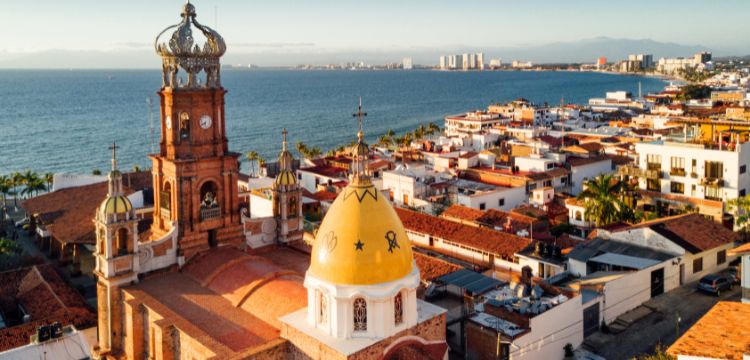
The cost of housing varies greatly depending on the location and type of housing you choose. In general, the cost of housing in Mexico is much lower than in Canada or the United States. But housing in Mexico can also be expensive in a touristy tourist travel city like Puerto Vallarta, Ajijic or Cabo. Popular beach towns such as Playa del Carmen, Riviera Maya, and Progreso are highly sought after by expats for their coastal lifestyle, but rent costs in these coastal areas can be higher compared to inland cities.
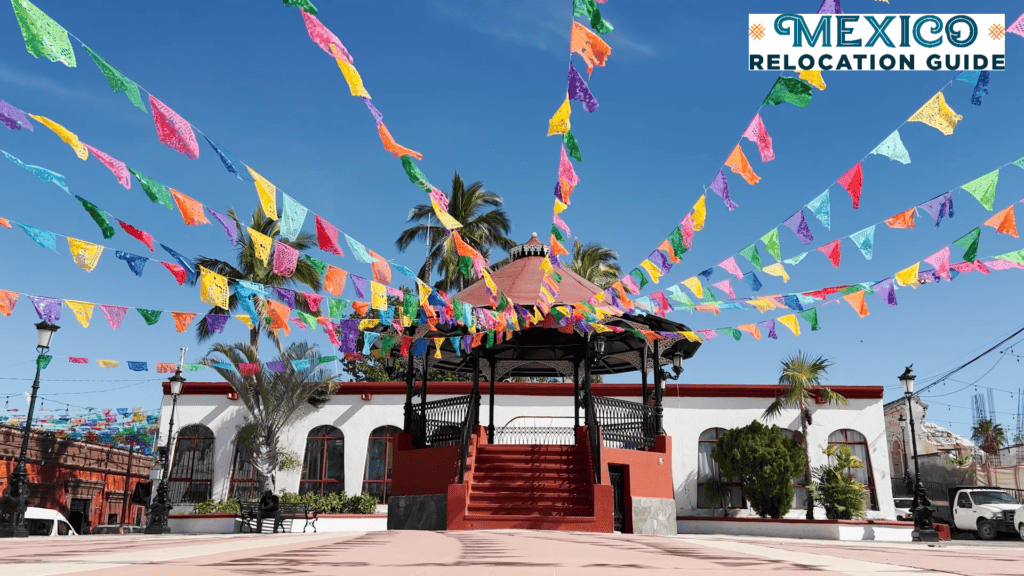
For example, if you plan to rent a condo or apartment in Mexico, you can expect to pay between $700-$900 USD monthly for a small 1 bedroom in one of the tourist travel cities. Rent cost varies significantly between inland cities and coastal areas, with beach towns like those in the Riviera Maya often commanding premium prices due to their desirable location.
If you’re looking for a more upscale home, in a trendy neighborhood, or with more space, you can expect to pay around $1,000 to $1,500 per month~.~ (around $19-$28k Pesos a month).
However, living in less tourist cities like Oaxaca, Puebla, or Atlixco can significantly decrease your housing expenses when living in Mexico. Not to mention that living in a Mexico City where air conditioning isn’t needed year-round will also reflect on your electric bills.
If you plan to buy a home in the country, the cost will depend on the location and size of the property. In popular areas like Puerto Vallarta or Cancun, you can expect to pay $250,000 USD or more for a 2 bedroom condo or apartment.
And even though most Mexico cities are considered a lot lower in cost than many places in Canada or the United States, you can easily spend a lot of money if you’re not careful. My best advice for expats is to learn to find housing as locals do. Most condo and apartment rentals in Mexico are NOT online. And Spanish-speaking agents and brokers will manage some of the greatest houses for sale, which is why assistance can make a big difference when moving to Mexico.
And because housing will make up one of the largest expenses, this can be your first introduction to learning how “living like a local” will lower your cost of living in the country.
Food Expenses in Mexico
One of the great things about living or retiring in Mexico is the amazing food.
Mexican cuisine is world-renowned for its delicious flavors and affordable prices. You can enjoy a special, delicious meal at a restaurant where locals eat for as little as $5 to $10 per person. Typical dining costs for a meal at a mid-range restaurant are very affordable, and you can often enjoy a domestic beer for around $2, making it easy to experience local cuisine without breaking the bank. If you prefer to cook at home, you can save even more by shopping at local markets and buying fresh produce.
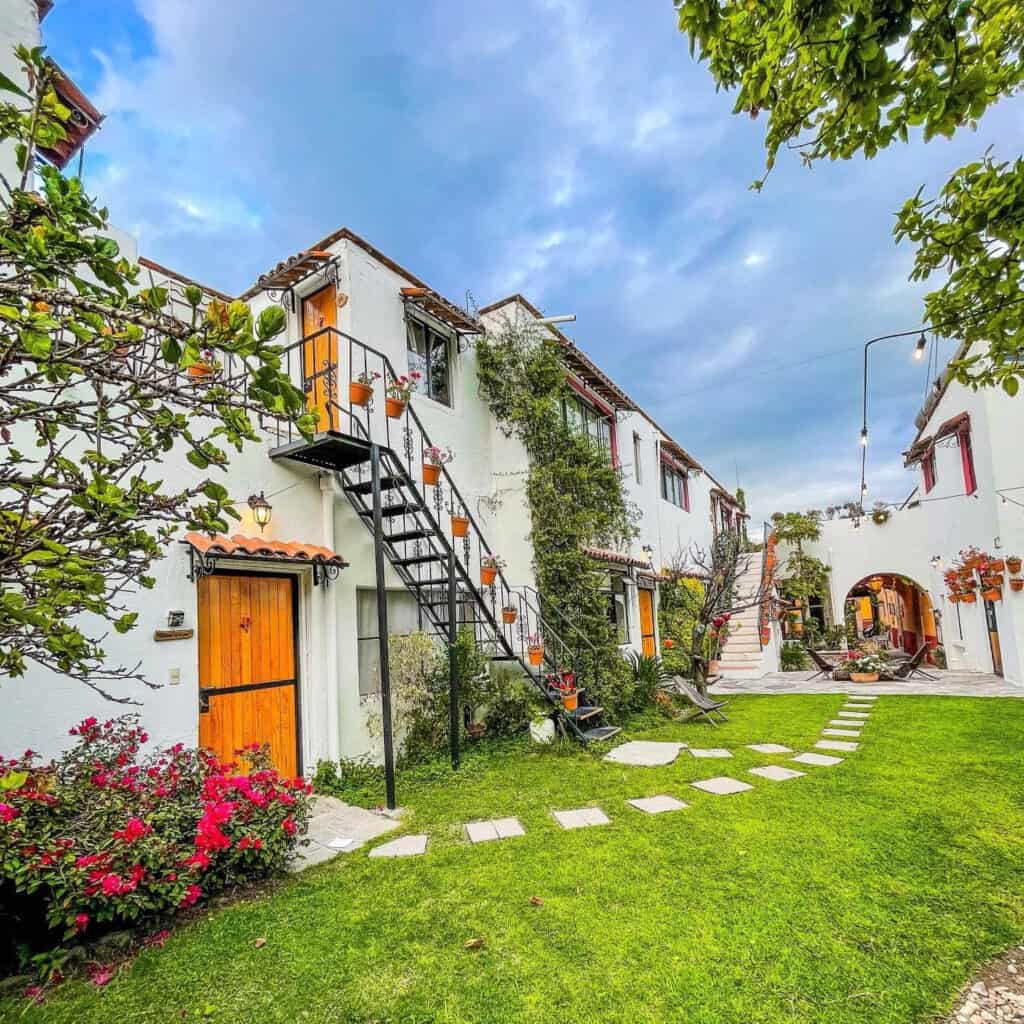
The cost of groceries in Mexico is generally lower than in Canada or the United States, so you can expect to save quite a bit on your food budget. For example, a dozen eggs in Mexico typically costs around $1.50, which is much less than what you’d pay in the US or Canada. This highlights how affordable food costs and basic grocery staples like a dozen eggs are for residents and expats.
But again, cost all depends on your lifestyle, habits, and even where you shop.
Big box supermarkets like La Comer, City Market, Walmart, Chedraui, and Costco are super convenient if you’re looking for familiar brands and everything under one roof when shopping in Mexico. But in most cases, you won’t save that much money compared to north of the Mexico border, only shopping here.
Learn where your local mercados, fruteriuas, carnicerias, and tienditas are. In most cases, shopping local can save 10-20% off your grocery bill each month. And if you’re spending $10,000 Pesos/Month, that’s a savings of $1,000-$2,000 Pesos. ~It’s~ The cost savings are not nothing.
Transportation in Mexico
Transportation in Mexico is affordable and convenient for any expat. Especially when you live in larger cities like Mexico City, Queretaro, Puerto Vallarta, Merida, Guadalajara, and the like, you can get around using the public transport system, which includes buses, metros, and trains.
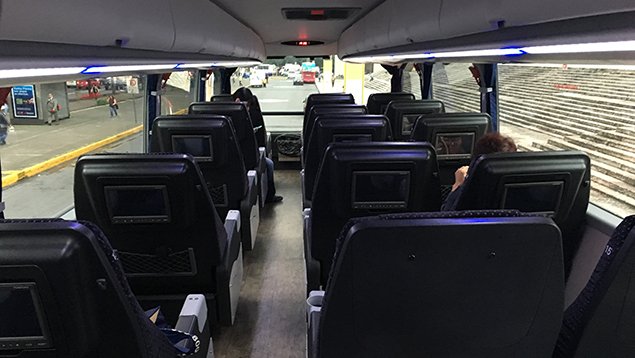
The cost of a one-way ticket on public transportation is around $0.30 USD, which is much cheaper than in Canada or the United States. Public transport in Mexican cities is not only affordable but also offers monthly pass options, making it even more economical for regular commuters. If you prefer to use taxis, Ubers, or Didi, you can expect to pay around $3 USD for a short ride in Mexico cities. You might consider buying a car if you plan to travel a lot around the city or country.
Brand-new cars in Mexico are generally more affordable than their equivalent in Canada or the United States. However, you must remember that the cost of gasoline can be expensive, and you’ll also need to pay for car insurance and registration. Many North Americans find it easy to drive in Mexico due to similar road conditions and the ability to bring their own vehicles across the border. Whether or not you need a car in Mexico will ultimately depend on your lifestyle.
Healthcare in Mexico
One of the biggest concerns for anyone moving to Mexico is healthcare in Mexico and associated costs. Mexico has public and private healthcare options, and the cost will depend on the type of healthcare and the location. Public healthcare is available to Mexican citizens and residents, significantly reducing healthcare costs for those who qualify.

You’ll have access to excellent private healthcare in Mexico if you plan to live in a popular expat destination like San Miguel de Allende, Puerto Vallarta, or Cancun Mexico. On the contrary, the smaller the Mexico city, the less likely a big hospital will be in town. This means you will need to travel 30 mins + to get a specialist’s care. So, while living in a smaller town usually has its pros, it also can have some cons.
When it comes to cost, private healthcare in Mexico is generally much lower than in Canada or the United States, so you can expect to save quite a bit on your healthcare costs. The overall Mexico cost of medical services and medicines is significantly more affordable compared to the US. Most foreigners opt for private insurance to access private healthcare facilities and avoid long wait times. To give you an idea, private medical care costs range from $25-$50 USD for a consultation with a specialist without insurance.
And for minor things like an ear infection, a stomach bug, or a skin irritation, you can use one of the outpatient clinics next to the pharmacies in Mexico and pay as little as $50 Pesos. That’s about $2.50-$3 USD, depending on the international exchange rate.
There is also a growing awareness of mental health in Mexico, and mental health professionals are increasingly available as part of the healthcare system.
Utilities and Internet in Mexico
When it comes to utilities and internet, living in Mexico is generally easier on the wallet compared to the United States or Canada. For a single person, basic utilities—including electricity, water, and gas—typically range from $50 to $100 USD per month, depending on your usage and whether you live in a larger city like Mexico City or Puerto Vallarta. Internet service is widely available and reliable in most cities, with basic plans starting around $20-30 USD per month. In larger cities, you’ll find high-speed internet and cable TV packages that rival those in North America, making it easy for digital nomads and remote workers to stay connected. Many expats also choose to invest in private health insurance, which can help cover the cost of doctor visits, hospital stays, and prescription medications, providing peace of mind and helping to manage monthly expenses. Overall, utilities and internet are generally lower in cost, allowing you to allocate more of your budget to enjoying life in Mexico.
Safety and Security in Mexico
Safety is a top priority for anyone considering a move abroad, and Mexico is no exception. While headlines sometimes focus on crime in certain regions, many Mexican cities and towns are known for their safety and strong sense of community. San Miguel de Allende, for example, is a favorite among expats for its low crime rate and welcoming atmosphere. Similarly, Puerto Vallarta and Playa del Carmen are popular coastal destinations where residents and visitors alike feel secure, thanks to a visible police presence and active local communities. As with any country, it’s important to take common-sense precautions—such as avoiding isolated areas at night and keeping valuables secure—but most expats find that living in Mexico is both safe and enjoyable. By choosing the right location and staying aware of your surroundings, you can experience all that Mexico has to offer with confidence.
True Cost Of Living in Mexico Example
A lot of people we know are living very comfortably in Mexico on a variety of budgets. Some prioritize living right next to the beach and spending more on apartment or home rent. Some of our customers like to eat out every day of the week but save money on travel costs. And some friends of ours find it better to spend less on rent and live on social security alone. In the examples below, we break down living expenses such as groceries, utilities, and healthcare, and specify when costs are calculated excluding rent to give you a clearer picture of the day-to-day cost of living in Mexico.
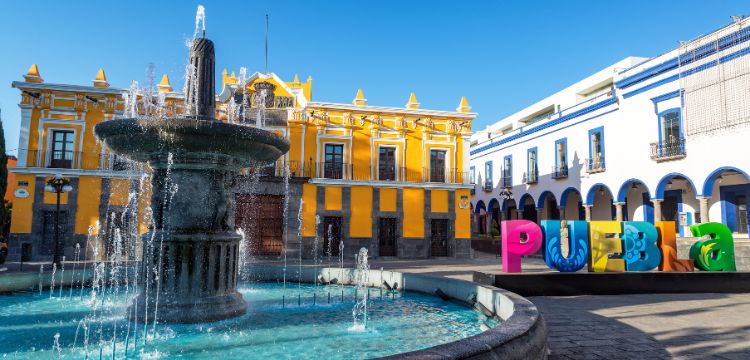
There is no perfect answer when it comes to Mexico living costs. It all depends on your budget, your lifestyle, and your priorities. And you also have to consider that the exchange rate fluctuates!
So here are a few examples from customers and friends who have shared their budgets with us assuming an $18 MXN= $ 1 USD Exchange Rate
65-Year-Old and His Partner- Cabo San Lucas- Living on about $1300 USD/Month
- Bought their 2 Bed 2 Bath Townhome for $5,000,000 MXN/about $250k USD
- Predial (property taxes) Paid yearly $200 USD/ USD $17 a month
- Fideicomiso (bank trust) paid annually $400 USD/ USD $33 a month
- Electric paid every 2 months $2,322 MXN / USD $65 a month
- Propane every 3 months $1,620 MXN/ USD $30 a month
- Water bill – monthly $300 MXN / USD $17 a month
- Groceries and Taco stands- monthly $8,000 MXN / USD $445 a month.
- Gasoline- monthly $4,300 MXN / USD $239 a month
- Wifi Monthly $649 MXN / USD $36 a month
- Cellphone plans – 2 lines monthly $400 MXN/ USD $18 a month
- HOA Fees- Monthly $1,000 MXN / USD $56 a month
- Auto Insurance 2 Cars- Annual $700 USD/ $58 a month
- Medical insurance paid annually $2567 USD / $214 a month
Keep in mind they’re not renting a home or apartment, so this total is for living expenses excluding rent.
So, if you plan to rent, you can expect your cost of living with a similar lifestyle to be $2000 USD + for a 2-person household if you rented an $800 USD rental (you always wouldn’t pay an HOA in Mexico).
Single Female 67 Year Old-Ensenada- Living on $1700 USD/Month
- Rent monthly $9000 MXN
- Water monthly $90 MXN
- Electricity monthly $300 MXN
- Propane Gas- every 6 months $850
- Internet and landline monthly $700 MXN
- Expat TV for American channels- monthly $40 USD
- Groceries Monthly $4,000 MXN
- Transportation- monthly $500 MXN
- Eating out with friends and other leisure activities- monthly $1000 MXN
- Housekeeper and Gardener monthly $3000 MXN
Remember that both examples live in hot climates where air conditioning is needed at least 6-8 months out of the year. That means their electricity bill is a bit higher than you can expect if you live in the central highlands of Mexico.
Russell- An American Expat Living in Huatulco on less than $1500 USD/Month
Russell’s expenses include
- Rent for a 1 bedroom furnished small apartment 6500 pesos (about $350 USD)
- Utilities including both gas and electric average about 225-230 pesos a month (about $15 USD)
- Pickle ball, if he played every week would be 200 pesos. (about $12 USD)
- Groceries, eating out, other food, and toiletries- $2,000 pesos/ week (about $120 USD/week)
These examples show that, thanks to the low costs in Mexico, many expats are able to enjoy a comfortable lifestyle with access to modern amenities and leisure activities. When Mexico is compared to countries like the US or Canada, the overall living expenses are significantly lower, making it an attractive destination for those seeking affordability without sacrificing quality of life.
Comparative Cost of Living: Mexico vs Other Countries
One of the biggest draws of living in Mexico is how much further your money can go compared to other countries. Housing costs are considerably cheaper, with a one bedroom apartment in the city center often available for $200-300 USD per month—a fraction of what you’d pay in the United States or Canada.
Food expenses are also lower, whether you’re dining at local restaurants or shopping for fresh produce at local markets. Transportation costs are minimal, with public transportation options like buses and metro systems offering monthly passes for around $20-30 USD.
Even taxis and ride-sharing services are affordable in most cities. When you compare the overall cost of living in Mexico to a similar lifestyle in North America, you’ll find that you can enjoy a comfortable life for much less, freeing up more money for travel, hobbies, or savings.
Retiring in Mexico: What to Expect
Retiring in Mexico is an increasingly popular choice for many expats, thanks to the country’s warm climate, vibrant culture, and low cost of living.
The estimated monthly costs for a single person or couple typically range from $1,500 to $3,000 USD, depending on your lifestyle and the city you choose.
Housing expenses—including rent, utilities, and maintenance—usually make up the largest portion of monthly expenses, accounting for about 30-50%. Food expenses, whether you prefer dining out or cooking at home, generally represent 20-30% of your budget.
Healthcare costs are also manageable, with private health insurance and out-of-pocket expenses often totaling 10-20% of monthly costs.
Transportation costs, including public transportation and taxis, are low, usually making up just 5-10% of your monthly expenses.
Many expats find that Mexico offers a comfortable and affordable retirement, with plenty of opportunities to save money and enjoy a high quality of life. Whether you’re looking for a beach town, a colonial city, or a spot in the central highlands, Mexico offers something for every retiree.
Tips for Saving Money in Mexico
Even though the cost of living in Mexico is generally lower than in Canada or the United States, finding ways to save money and stretch your budget is still important to managing costs.
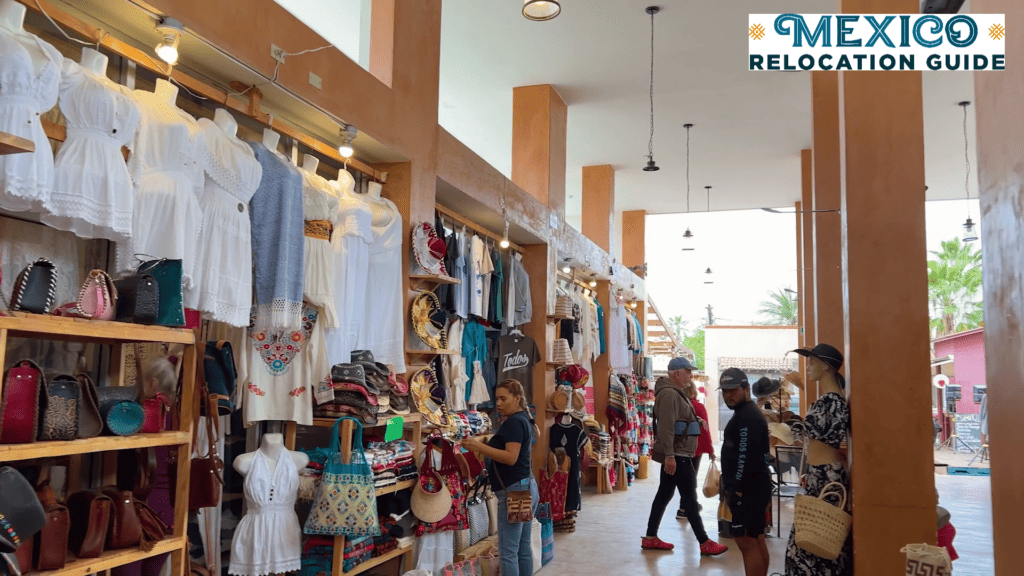
Here are some tips to help you save money in Mexico:
- Shop at local markets. Local Mexico markets are a great place to find fresh produce at affordable prices. You can also find handmade crafts and other unique items at local markets.
- Learn Spanish. Learning Spanish will help you avoid things like the gringo tax. Which is more common in expat cities like Playa del Carmen, Los Cabos, Puerto Vallarta, etc. Many local landlords will charge a foreigner slightly more because they assume you have more money as you earn in dollars and not in pesos.
- Use public transportation. You can reduce your travel costs by utilizing public transportation. Public transportation is affordable and convenient in Mexico, so consider using it to save money on transportation costs.
- Embrace the local culture. Embracing the local culture in Mexico can be a great way to save money and experience the true essence of the country. This can include participating in local Mexico festivals, learning the language, and trying street food.
- Track the Exchange Rate.
–When considering making a large expense such as rent or buying a big piece of furniture, you have to learn to plan ahead and track the Mexico exchange rate. That way, if you transfer money from another currency, you do so when it is most favorable. - Learn To Live Like A Local. Whether traveling on long-distance buses instead of flying, cooking at home more often, learning how to find local deals, taking advantage of free entertainment in your town, etc. Living like a local will not only help you integrate into Mexican culture, but you will also see the difference in your bank account and costs.
Ultimately, your exact costs to live in Mexico will depend on your lifestyle and needs. Working with a Mexico relocation guide can help you determine how much you can expect to pay for your personal lifestyle each month.
Learn How to Live Like A Local in Mexico with a Guide
If you’re considering an international move to Mexico, a Mexico Relocation Tour can be an invaluable tool to help you settle in and learn what the true cost of living in Mexico is.
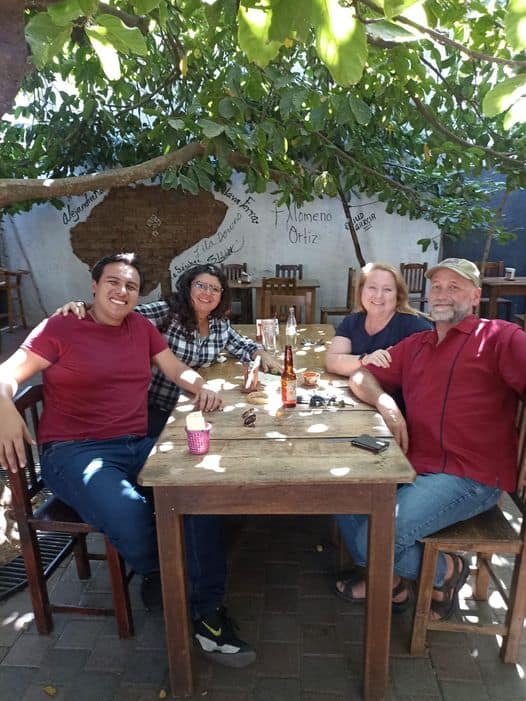
Rather than relying on Facebook groups, YouTube videos, or online research, a Mexico relocation tour allows you to live it for yourself and learn from an actual local who can provide insider knowledge and personalized advice. There is NO amount of written or video research that will ever replace what boots on the ground will do for you. A free report or show to watch simply doesn’t give you enough info to make informed decisions about your Mexico move.
Here are just a few reasons why you should consider taking a Mexico relocation tour:
- Get a personalized experience: Unlike a generic tour, a Mexico relocation tour is tailored to your lifestyle needs and interests. Your local relocation guide can help you find the best neighborhoods, schools for your children, grocery stores and shops in town, and where to find the best deals on produce.
- Save time and money: A private relocation tour can help you save time and money by providing valuable information about the local Mexico housing market, transportation options, and healthcare system. Your local guide can also help you avoid common pitfalls and scams and tell you what areas in the country are unsafe.
- Make new connections: Moving to a new country place can be lonely, but a private Mexico relocation tour can help you make new connections and friends. Your local guide can introduce you to other international expats and locals, helping you to feel more at home in your new city.
In short, a Mexico relocation tour with a local guide is a smart investment for anyone planning a move to Mexico. Plus, we offer them in a variety of cities across Mexico. And because it is fully customizable, you can focus on seeing the things in Mexico that are important to you and your family. Find out how to book a private Mexico Relocation Tours Here.