 Contact
  Account


The question “is Mexico safe for tourists” comes up in every travel forum, family group chat, and pre-trip planning session.
Here is the short answer: it depends on where you go and what you do when you get there.
Tourism remains popular in Mexico with millions visiting safely each year despite some risks. The country logged roughly 50.4 homicide victims per day between January and May 2026 at the national level, but those numbers concentrate in a handful of states that most visitors never set foot in.
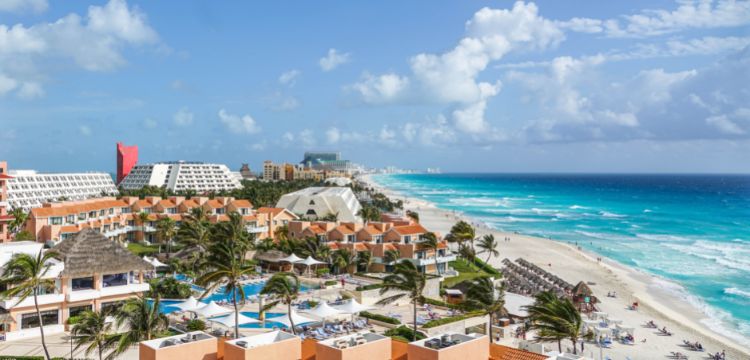
Major tourist destinations like Cancún and Puerto Vallarta are generally safe but require caution, the same way any large city on earth does.
Safety conditions in Mexico vary by state and region more than in almost any other country. The Yucatán Peninsula, Baja California Sur, and the Pacific coast corridor around Puerto Vallarta have crime rates at or below those of large North American cities. Cartel violence affects travel safety in certain Mexican regions, but those regions sit far from the beaches, cobblestone streets, and hotel zones where international visitors spend their time.
This article will help you decide where to go, how to stay safe, and when to reconsider specific destinations. If you are thinking about an extended stay or relocation, our COMPLETE Mexico Relocation Guide ranks Mexico’s safest cities neighborhood by neighborhood. Our Private Relocation Tours across Mexico take you on the ground to see only the safest areas in person.
Don’t Let the Headlines Scare You Away From Mexico
I also think it is important to put all of this into perspective.
If you only get your information about Mexico from news headlines, it can sometimes sound like the entire country is dangerous and scary. That simply isn’t the reality most tourists and foreigners living in Mexico experience.
Does Mexico have violence? Absolutely.
I’m not going to pretend otherwise.
There are parts of Mexico I would not recommend visiting, and there are situations you should avoid. But Mexico is a huge country, and much of the serious violence you hear about is concentrated in particular areas and often involves organized crime rather than ordinary tourists going about their day.
A violent incident hundreds of miles away can make international headlines under the words “violence in Mexico,” even though it may have very little to do with what is happening in Mérida, Puerto Vallarta, La Paz, San Miguel de Allende, or another popular destination.
That’s an important distinction.
Millions of people visit Mexico, explore its cities, eat at local restaurants, take buses, walk through mercados, rent cars, visit beaches, and return home without becoming victims of violent crime.
So don’t let fear keep you from experiencing Mexico.
You should be informed, not afraid.
Research where you’re going. Pay attention to local conditions. Don’t wander around unfamiliar areas late at night. Don’t flash expensive belongings. Be careful with alcohol. Use reputable transportation. And if locals tell you there is an area you shouldn’t visit, listen to them.
Those are many of the same precautions you would take when visiting an unfamiliar city anywhere else in the world.
Mexico isn’t risk free, and I would never tell you that it is. But you also don’t need to spend your entire trip looking over your shoulder.
Use common sense, know where you’re going, and then get out there and enjoy Mexico. There is an incredible country waiting for you beyond the headlines.
Understanding Mexico’s Safety
Safety in Mexico is not a single story.
It is 32 separate stories, one for each state. Mexico has a Level 2 advisory for Exercise Increased Caution according to the U.S. Department of State, but individual states receive their own rating.
Level 1 “Normal Precautions” indicates low-risk areas like Campeche and Yucatán. Level 4 “Do Not Travel” applies to six Mexican states due to severe safety risks, including Colima, Guerrero, and Michoacán. Canadian and UK advisories follow a similar region-by-region model.
Where have things improved?
Baja California Sur recorded an approximately 80% reduction in intentional homicides between 2021 and 2026. Yucatán reported just 12 intentional homicides in January through May 2026, accounting for 0.2% of the national total. Meanwhile, Guanajuato state saw increased cartel-related violence in 2023 and 2024, and several border states remain under Level 3 or 4 advisories.
The crimes most tourists face are not shootouts.
Petty crime such as pickpocketing is common in tourist areas in Mexico. Card skimming, bar scams, and opportunistic theft round out the list.
Cartel violence targets rivals, informants, and infrastructure; tourists are rarely involved when they stick to established destinations. If you choose well and follow local advice, you can visit Mexico with confidence.
For those considering living here, our COMPLETE Mexico Relocation Guide and Private Relocation Tours break down city-by-city safety data so you can see the reality on the ground.
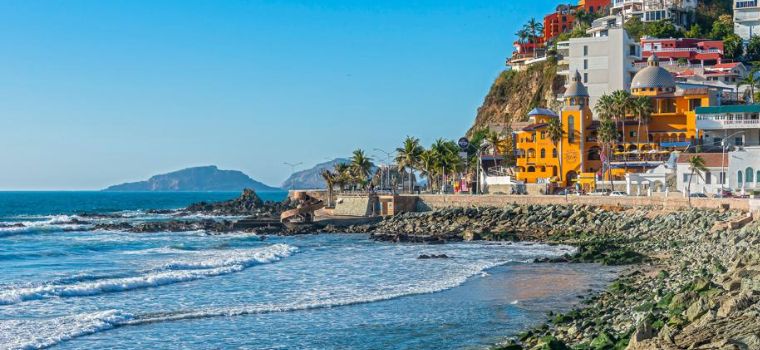
The Safest Tourist Regions in Mexico Right Now
If safety is your top priority, focus on these regions when planning your trip:
- Yucatán Peninsula (Mérida, Cancún, Playa del Carmen, Tulum, Cozumel)
- Baja California Sur (Los Cabos, La Paz)
- Pacific coast corridor (Puerto Vallarta, Riviera Nayarit)
- Select colonial cities (San Miguel de Allende, Querétaro, Oaxaca City)
Each destination has its own risk profile, covered in the sections below. Our Private Relocation Tours and Relocation Guide focus on these safer regions and on specific secure neighborhoods within them.
The Yucatán Peninsula: Beach Time With Strong Safety Records
The Yucatán Peninsula covers three states: Yucatán, Quintana Roo, and Campeche. Together they offer some of Mexico’s safest and most visited coastal destinations.
Mérida is consistently ranked as one of Mexico’s safest cities. Its homicide rate sat at about 1.6 per 100,000 in mid-2026, lower than many western U.S. cities.
A national crime perception survey found that 61% of Yucatán residents over 18 felt safe walking alone at night, compared to a national average of roughly 41%. The city’s colonial architecture, food scene, and evening-friendly atmosphere make it a destination you can explore after dark without worry.
Cancún, Playa del Carmen, and Tulum are safe tourist zones with heavy patrols in hotel areas. Quintana Roo sits under a Level 2 advisory rather than a higher warning.
That said, late-night bar districts and neighborhoods outside the main tourist strip carry more risk. Stick to reputable venues and secured transport after dark.
Isla Mujeres, Cozumel, and Akumal offer quieter alternatives with a calmer vibe for families.
Common risks in this region: beach theft when you leave belongings unattended, drink-related scams in nightlife spots, and occasional confrontations between rival groups that rarely touch visitors.
If the Yucatán Peninsula interests you for a longer stay, our COMPLETE Mexico Relocation Guide has deeper neighborhood breakdowns, and our Private Relocation Tours let you walk the safest streets yourself.

Baja California Sur and Los Cabos: Desert Meets Ocean
Baja California Sur sits on a peninsula separated from mainland Mexico by the Sea of Cortez. That geographic isolation keeps it distant from major cartel corridors.
Los Cabos recorded some of Mexico’s lowest crime rates and the trend continued into 2026: through September 9, 2026, the state reported just 39 intentional homicides for the entire year.
Cabo San Lucas and San José del Cabo feature visible police in the marina and hotel zones. Resorts here operate in what many travelers describe as a secure bubble.
La Paz, the state capital, offers a more authentic feel. You can walk the malecón at night, watch whale sharks, and eat street food without the crowds of Los Cabos.
Baja California Sur has raised travel advisories to increased caution, not “do not travel.” The upgrade reflects isolated incidents rather than a systemic pattern.
Tourist zones remain tightly monitored. To reduce risk further, stick to toll routes when driving, avoid remote beaches after dark, and book licensed tour operators for activities like off-roading.
Baja California Sur is one of the regions we feature in our Private Relocation Tours and Relocation Guide as a top area for safe, ocean-oriented living.
Mexico City: World-Class City With Big-City Safety Concerns
Mexico City is a metropolitan area of over 21 million residents. Its cultural richness, museums, and food draw visitors from across the world. But like any capital of that size, it carries typical big-city safety concerns.
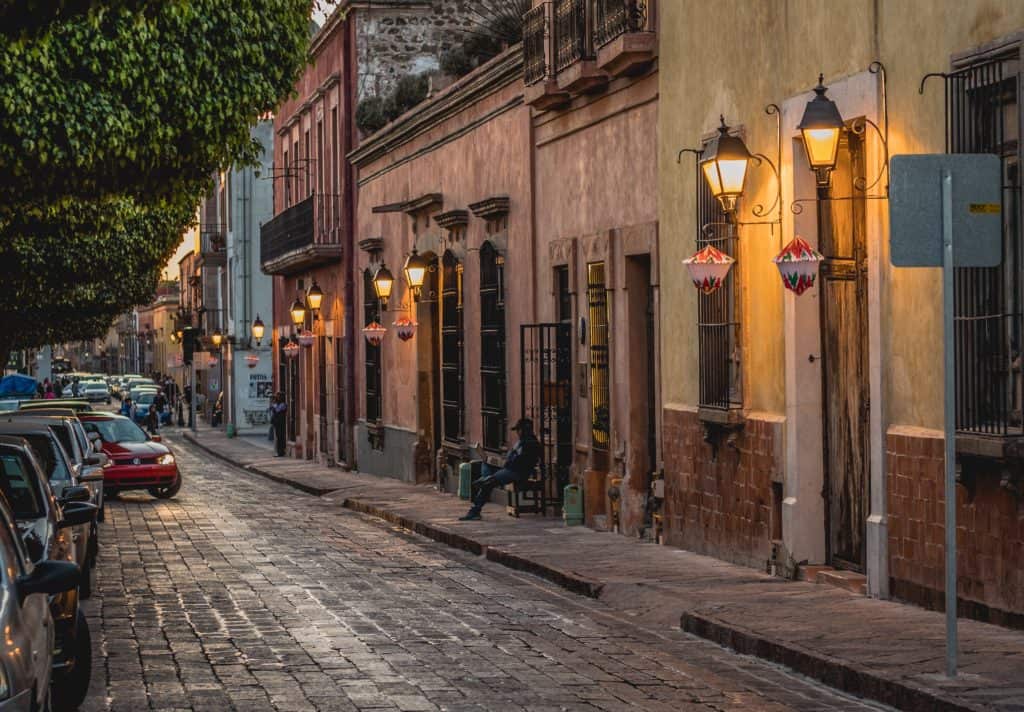
Safer, tourist-friendly neighborhoods include Polanco, Roma, Condesa, Coyoacán, and parts of the Centro Histórico during daylight. Petty theft is common on public transit in Mexico City, especially on crowded metro lines during rush hours. Phone snatching near transit hubs and markets is the most frequent complaint from visitors.
Practical steps that reduce your risk in the city:
- Use established taxi apps like Uber instead of street cabs. U.S. government employees in Mexico are required to use dispatched or authorized taxis.
- Keep valuables concealed and avoid flashing phones on the street.
- Avoid isolated streets after dark, especially in outer boroughs.
- Research specific colonias before booking accommodations; a few blocks can make a real difference.
Daytime exploring of museums, markets, and parks is safe with basic street smarts.
For relocation, our COMPLETE Mexico Relocation Guide and Private Relocation Tours help you focus on Mexico City neighborhoods with the best long-term security profiles.
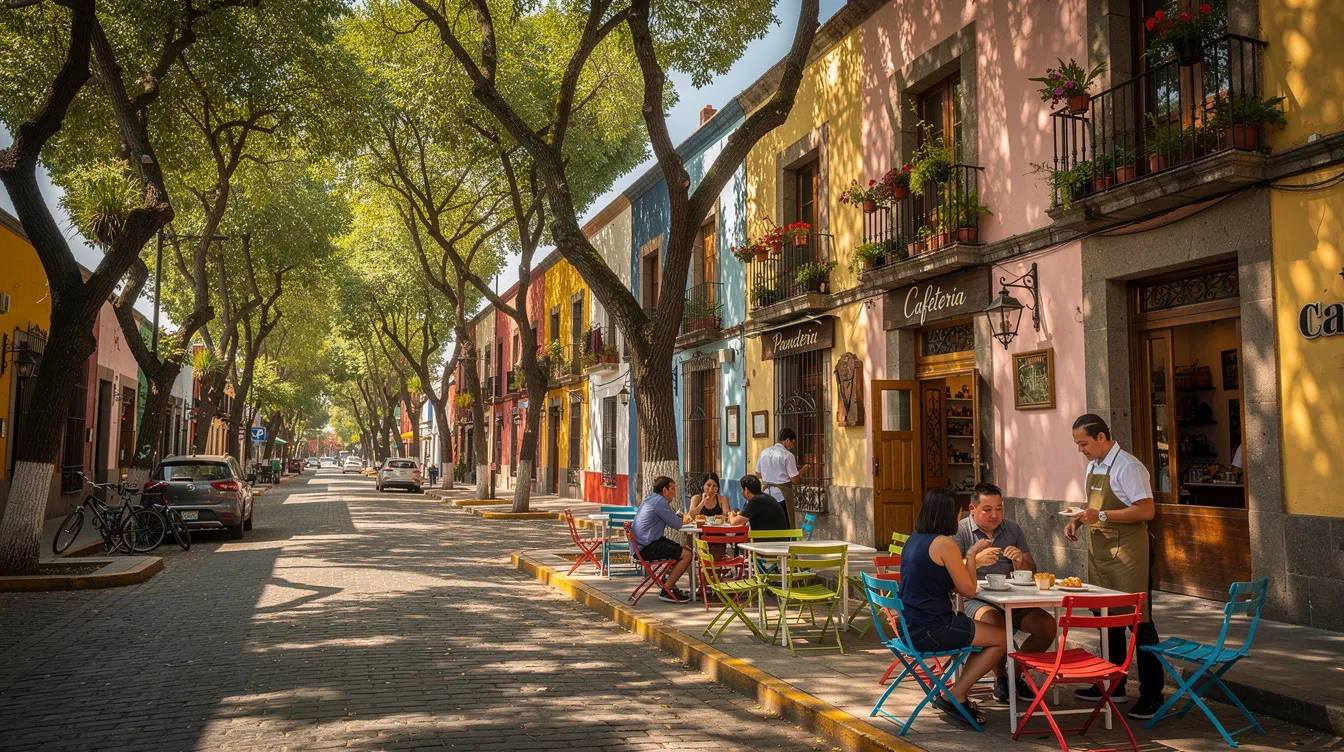
Pacific Coast Favorites: Puerto Vallarta, Nayarit, and Beyond
Puerto Vallarta has homicide rates below many U.S. cities.
The 7.6% increase in reported crime during 2025 was concentrated in property offenses like theft and burglary rather than violence toward tourists.
The walkable malecón, the LGBT-friendly Zona Romántica, and late-night promenade life make it a destination where locals and visitors mix comfortably.
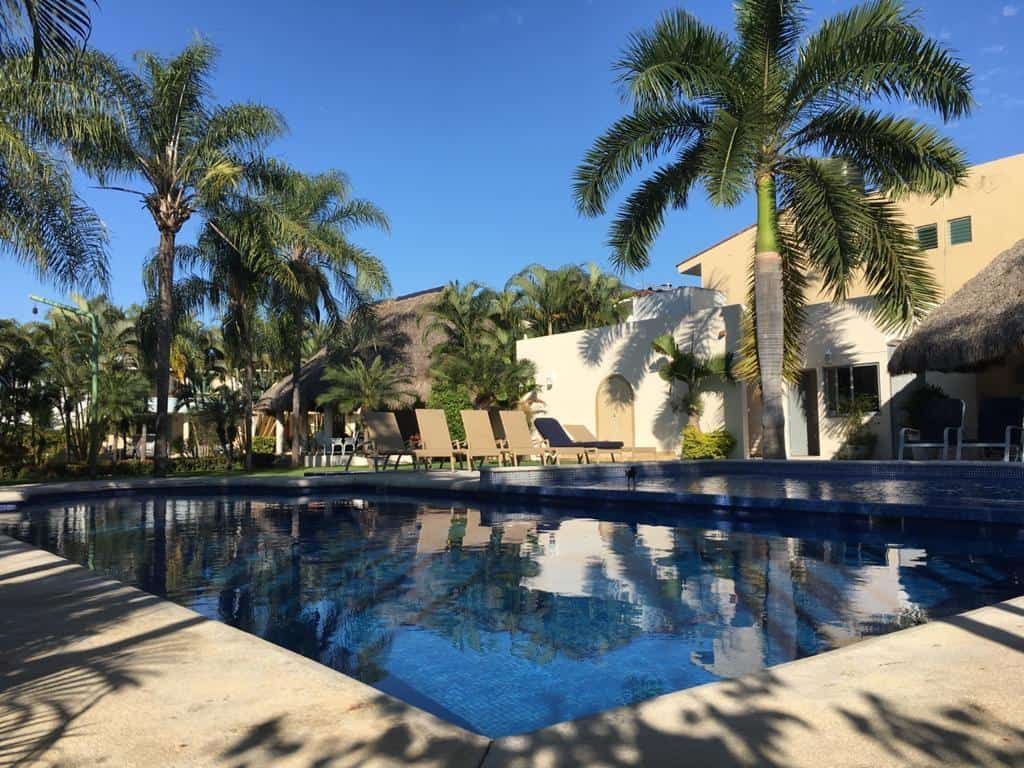
Nearby Riviera Nayarit spots like Punta Mita, Bucerías, and Sayulita are easy day trips with a relaxed atmosphere and an established expat community. Families and retirees make up a large share of the visitors here.
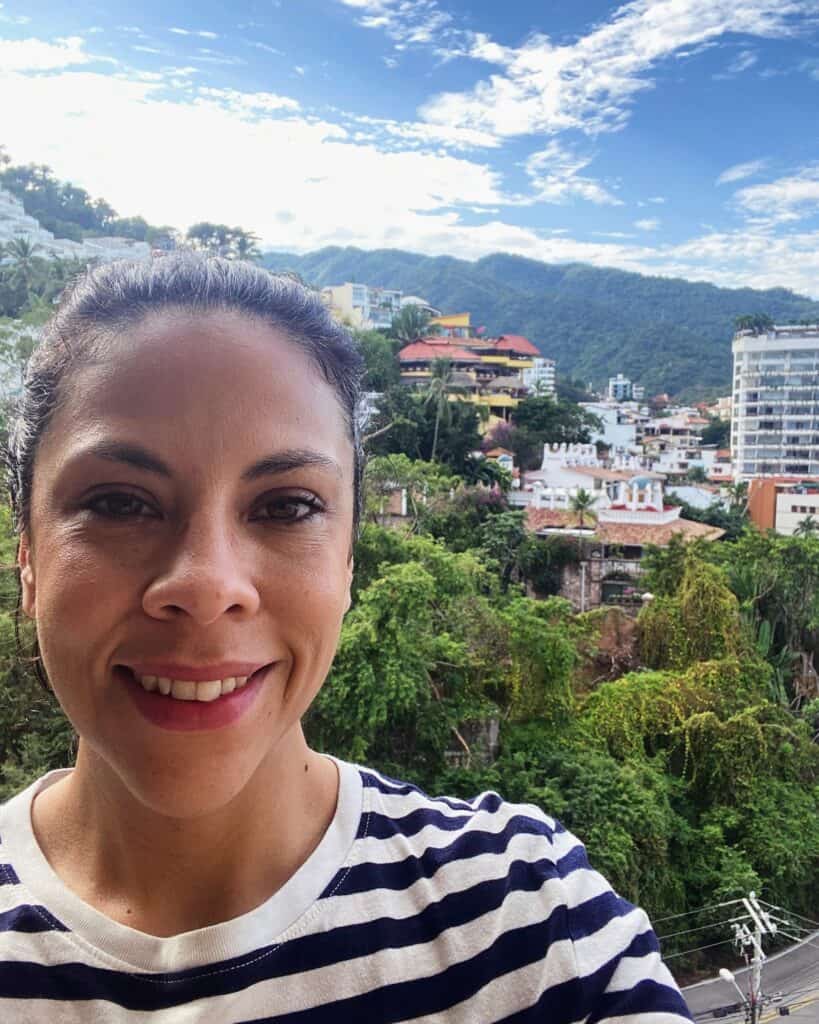
Safety concerns along this coast are minor: opportunistic theft, drunk-driving incidents, and standard nightlife risks. Use ATMs only inside banks or malls, pre-book airport transfers through your hotel, and choose reputable boat and tour operators.
Puerto Vallarta and the surrounding Pacific coast region are key destinations on our Private Relocation Tours, detailing which suburbs and hillsides are safest for long-term stays.
Charming Colonial Cities: San Miguel de Allende and the Heartland
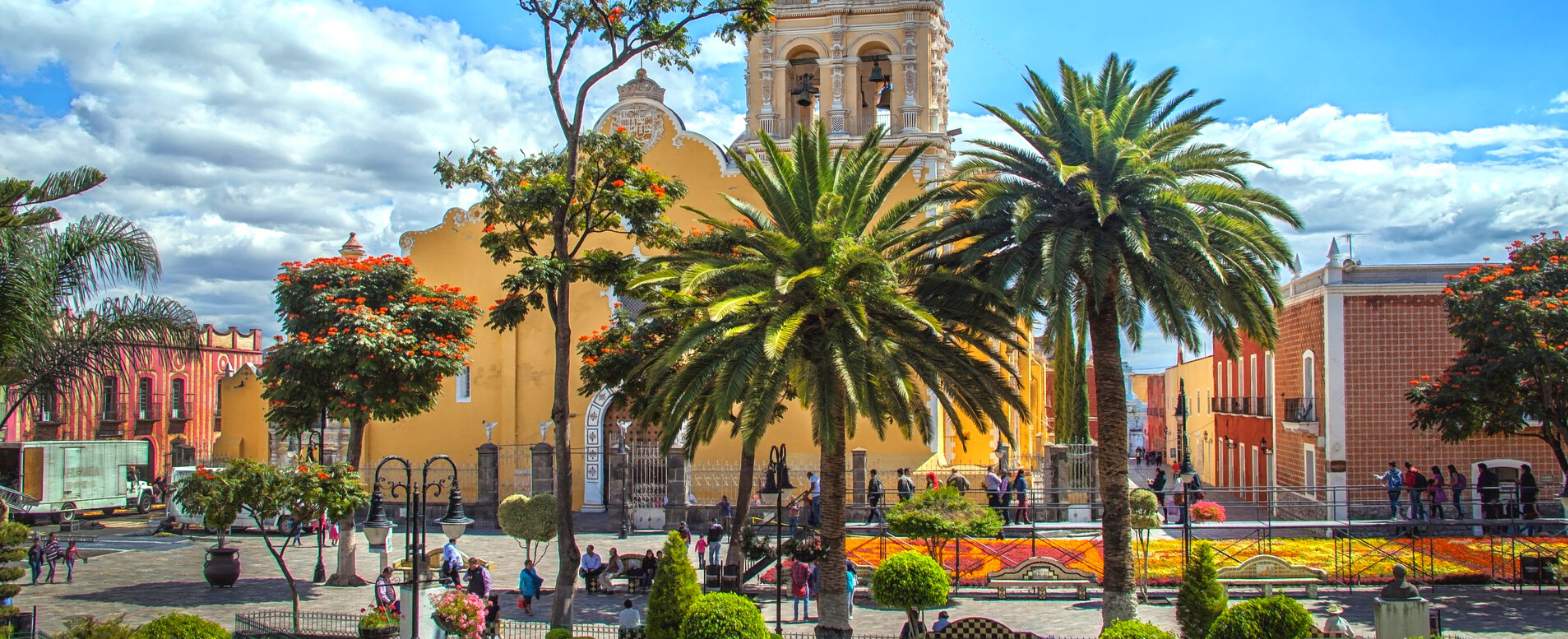
San Miguel de Allende attracts retirees, remote workers, and culture lovers with its cobblestone streets, colonial architecture, and a sizable foreign community. The historic center is walkable, well-policed, and calm most hours of the day and night.
Guanajuato state tells a more complicated story outside that town.
A mass attack during a religious festival in Irapuato on June 24, 2025, killed 12 people in what authorities linked to a turf war between the Santa Rosa de Lima Cartel and the Jalisco New Generation Cartel.
That violence occurred roughly 200 kilometers from San Miguel de Allende, in a corridor known for fuel theft and cartel competition. Tourist destinations in the state have been largely unaffected, but you should arrive and depart via daylight routes, use trusted private drivers between cities, and avoid rural backroads at night.
Oaxaca City feels remarkably secure for tourists and offers a rich food and art scene. Querétaro is another colonial city with a solid safety record. Our COMPLETE Mexico Relocation Guide compares these colonial cities’ safety profiles side by side, and our Private Relocation Tours walk you through their safest districts.
Areas With Higher Safety Concerns: Where Extra Caution Is Needed
Not every region of Mexico belongs on your itinerary. Level 3 “Reconsider Travel” applies to various Mexican states due to crime and kidnapping risks.
Tijuana and Ciudad Juárez are among Mexico’s most dangerous cities.
Most leisure travelers should fly to interior destinations rather than crossing the border overland into these areas.
Parts of Michoacán (outside limited safe corridors), southern Guanajuato, and rural Zacatecas see recurring cartel activity.
Popular resort pockets inside otherwise risky states sometimes carry different risk profiles than the surrounding region.
Limited zones of Acapulco or Ixtapa may feel calmer than the broader Guerrero landscape, but up-to-date research is non-negotiable before booking.
Cross-check U.S., Canadian, and UK travel advisories before finalizing plans.
In our COMPLETE Mexico Relocation Guide and Private Relocation Tours, we exclude higher-risk cities and states entirely to keep your scouting trips focused on Mexico’s safest cities. I never recommend a city that is deemed unsafe.
Practical Safety Tips for Traveling Anywhere in Mexico
Your behavior matters as much as your destination. These habits apply whether you are in Mérida or Mexico City:
On the ground:
- Avoid walking alone on dark, empty streets at night. Limit alcohol intake in unfamiliar surroundings and don’t make yourself an easy target. Especially in very touristic areas.
- Keep expensive jewelry at home while out in very busy public areas like mercados. Leave flashy watches and electronics out of sight in public buses.
- Possession of drugs is illegal in Mexico and carries severe penalties.
Getting around:
- Use toll roads (cuotas) over free highways. Driving at night in Mexico carries a higher risk of crime compared to daytime driving because of livestock and limited services.
- Travel during daylight hours on intercity routes. Book reputable buses or private transfers for longer distances.
- Use Uber, Didi rather than hailing a taxi on the street. Use an authorized “sitio” or taxi site to book a taxi.
Money and documents:
- Use ATMs inside banks or shopping malls, not standalone machines on the street.
- Carry multiple credit and debit cards to avoid being stranded if one is lost or skimmed.
- Keep passport copies separate from the original. Use hotel safes for valuables.
- Register with your embassy’s travel program before arriving.
Staying informed:
- Monitoring local news and checking U.S. Embassy alerts is a baseline habit for any trip.
- Download offline maps and buy a local SIM or eSIM for reliable data and emergency calls.
Solo and female travelers:
- Choose centrally located hotels in well-reviewed neighborhoods.
- Verify your ride’s license plate before getting in. Watch your drink at bars.
- Share your daily plans with someone you trust.
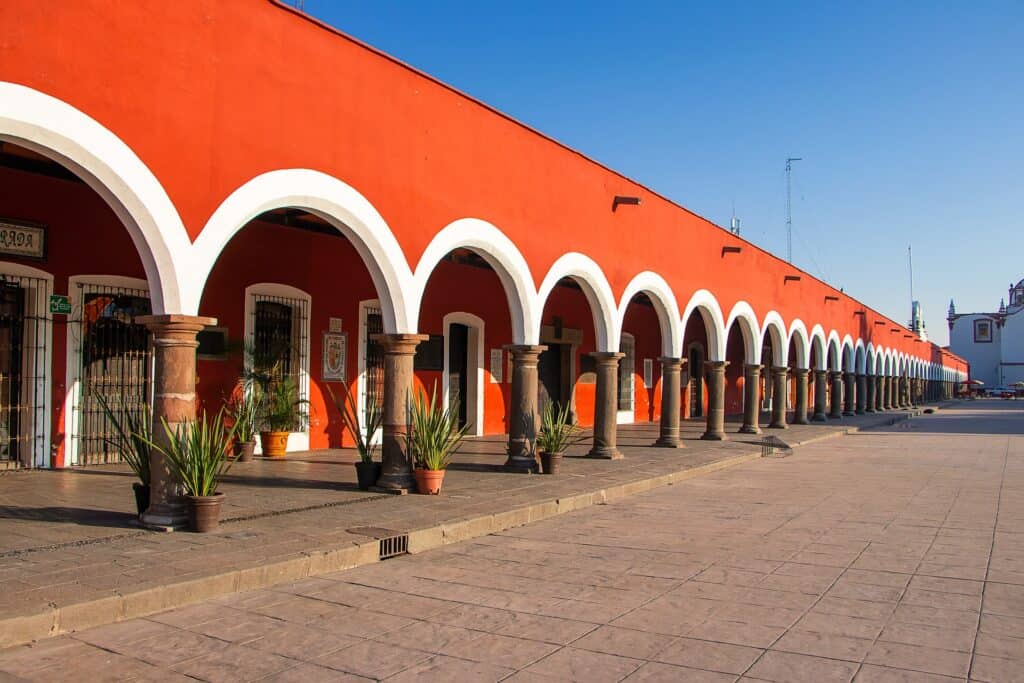
If you are considering a move or extended stay, stop guessing about which city or neighborhood is right for you. Get our COMPLETE Mexico Relocation Guide for in-depth city rankings and neighborhood-by-neighborhood safety breakdowns.
Or book one of our Private Relocation Tours across Mexico, where we personally walk you through only the safest cities and areas to live in. Your surroundings matter; let us help you choose the right ones.