
 Contact
  Account


Bringing your car to Mexico can be very simple in some situations. And in others, it can become one of the most confusing parts of your move.
If you’re only driving to a free zone like Baja, Puerto Peñasco, or parts of Sonora, the process may be pretty straightforward. But if you’re planning to live inland, become a resident, or keep your car in Mexico permanently, you need to understand the rules before you cross the border.
Vehicle rules in Mexico changed often between 2022 and 2026, especially after the “chocolate car” regularization program ended. This guide reflects current rules as of 2026 and focuses mainly on U.S. and Canadian foreign-plated vehicles.
But because vehicle rules can change, you should always verify current requirements with Banjercito, SAT, or a qualified customs broker before entering Mexico.
Key Takeaways
If you’re bringing your car to Mexico, here are the most important things to know first.
A Temporary Vehicle Import Permit, also called a Temporary Import Permit or TIP, is usually required if you plan to drive your foreign-registered vehicle beyond Mexico’s free zones.
Most people driving a foreign-plated car beyond the northern border zone, or outside the Baja California Peninsula, Quintana Roo, and other designated free-zone areas, need a TIP from Banjercito.
Your immigration status matters. Mexican nationals living abroad, tourists, temporary residents, and permanent residents do not all have the same rights when it comes to foreign-plated vehicles.
Permanent residents cannot apply for a Temporary Import Permit. In most cases, permanent residents can only drive a foreign-plated car in Mexico’s free zones, also called the Zona Libre. Otherwise, they usually need to permanently import the car, buy a car in Mexico, or keep the vehicle outside Mexico.
Baja California and Baja California Sur are part of the entire Baja California Peninsula free zone. That means a TIP is generally not required there. But you still need valid vehicle registration, a Mexican insurance policy, and compliance with Mexican law. For long-term residents, I also suggest getting a local driver’s license.
Mexican law requires liability insurance from a licensed Mexican provider. Your U.S. or Canadian auto insurance is not enough to meet Mexico’s liability requirements. Foreign auto insurance policies do not fulfill Mexican civil liability requirements, and driving without Mexican insurance is a serious offense that can lead to detention.
FYI: I can connect you with our directory of vetted customs agents, customs brokers, Mexican insurance contacts, and local helpers who can assist with importing, buying, and registering a car with Mexican plates. We also have private drivers who can help bring you, your pets, and/or your car to Mexico. You can see what’s included in our Complete Mexico Relocation Guide if you want step-by-step help planning this the right way.
Driving on Baja’s highways is amazing. But driving in Mexico is much easier when you know what to expect before you go.
You may also be interested in the video I did about driving to Mexico.
How to Decide if You Should Bring Your Car to Mexico at All
Before you bring a car to Mexico, ask yourself a few practical questions.
- Where are you going?
- How long will you stay?
- Are you coming as a tourist, temporary resident, or permanent resident?
- Are you okay dealing with border paperwork, customs rules, and car logistics?
- And do you actually need a car where you plan to live?
A road trip to La Paz is very different from moving to Oaxaca or Puebla.
Also remember that many Mexican cities and towns are designed to be more walkable than what you may be used to in the U.S. or Canada. In a lot of places, stores, pharmacies, restaurants, markets, doctors, dentists, and daily essentials are nearby. That’s one reason a ton of our clients decide not to own a car while living in Mexico.
But be realistic too.
Some neighborhoods have steep hills. Some streets are cobblestone. Some cities get very hot. Some areas are spread out. And depending on where you live, “walking everywhere” may sound easier in theory than it feels in real life.
So don’t just ask, “Can I bring my car?” Ask yourself, “Will having my car actually make my life in Mexico easier?”
Your three main options are:
- Drive a foreign-plated vehicle with a TIP if you are visiting Mexico or living temporarily outside the free zones.
- Stay inside a free zone without a TIP, such as the Baja Peninsula, Puerto Peñasco, San Carlos, parts of the Sonora free zone, or Quintana Roo.
- Skip bringing your car and be car free, or buy a Mexican-plated car after arriving.
I usually recommend buying a car in Mexico if you’re planning to live here long term and you plan to explore a lot of Mexico. Having local Mexican plates often make things easier, especially with local registration, insurance, and dealing with random checkpoints or highway police.
Permanent residents and long-term residents often find it simpler to buy a Mexico-registered car than to import a foreign vehicle.
Also consider the city you’re moving to since they have local rules.
For example, big cities like Mexico City, Guadalajara, Puebla, and Monterrey have heavy traffic.
And some cities like Mexico City and some other areas also have programs like Hoy No Circula, which restrict when certain vehicles can drive based on license plate numbers. Foreign plates may not be as easy for local authorities to classify, which can create confusion. In these cases, having Mexican plates can be helpful.
The Complete Mexico Relocation Guide includes checklists, step-by-step details on how to get a TIP, and vetted contacts who can help you bring your foreign vehicle or purchase and register a vehicle in Mexico. We also have contacts who can help you obtain a local driver’s license and more.
Understanding Mexico’s Vehicle Zones: Border Area, Free Zones, and the Rest of the Country
Mexico treats foreign-plated vehicles differently depending on where you drive. There are three main areas to understand:
- The 25 km border zones
- All of Quintana Roo, Baja California, and Baja California Sur
- The rest of Mexico
The 25 km border zone along the U.S. border usually allows a foreign-plated car without a TIP, as long as you stay within that strip and carry insurance and registration.
The Baja California Peninsula free zone includes both Baja California and Baja California Sur. Most travelers with a foreign-plated vehicle do not need a TIP there as of 2026.
Sonora has partial free-zone treatment in specific corridors and coastal areas, including Puerto Peñasco and San Carlos. But driving deeper into Sonora or farther south generally triggers TIP requirements.
Quintana Roo currently allows foreign-plated vehicles without a TIP if the vehicle stays entirely in that Mexican state. That includes places like Cancún, Playa del Carmen, Tulum, Puerto Morelos, and the Riviera Maya.
But be careful.
Quintana Roo is not the same thing as the entire Yucatán Peninsula. Driving toward Yucatán, Campeche, or other mainland states usually requires a vehicle permit. And your route matters too. Even if your final destination has special rules, the roads you take to get there may still take you through areas where a TIP is required.
So always stay on top of not only border rules, but the rules of your final destination.
You May be Interested in Our Pro Tips for Driving in Mexico
So What is A TIP (Temporary Import Permit)
A Temporary Import Permit, or TIP, is an electronic permit that temporarily allows a foreign-plated vehicle to be driven in Mexico outside the free zones.
The TIP is not an insurance policy. This is a big point because some people confuse the two.
Also, your TIP is linked to:
- Your VIN
- Your vehicle
- Your car’s registration
- Your passport or your residency card
- The person who imported the vehicle. It cannot be transferred to another vehicle or another person.
Here are some common mistakes you can avoid:
- Not stopping at a land border to obtain a TIP. This can be a huge mistake because if you drive inland, you’ll have to return to the border to obtain a TIP. If you are caught by highway police without a TIP your car can be impounded.
- Paying the deposit with a debit card or credit card that may be closed later. Refunds normally return only to the original payment method, so I’d recommend paying the TIP deposit in cash when possible.
- Forgetting to formally surrender your TIP when leaving Mexico to reclaim your deposit. If you fail to surrender and cancel your vehicle’s Temporary Import Permit (TIP) before leaving Mexico, you will forfeit your TIP deposit.
- Temporary residents can obtain a TIP that may match their temporary residency period, if it is properly renewed and updated. This is not automatically done when you renew your residency
- Permanent Residents CANNOT apply for and obtain a TIP.
How Immigration Status Affects Bringing Your Car to Mexico
Your personal immigration status in Mexico and your car’s legal status are connected.
This is one of the biggest sources of confusion.
| Status | Foreign-plated vehicle rules |
|---|---|
| Tourist/FMM | Temporary Import Permits last a maximum of 180 days. |
| Mexican national living abroad | Temporary Import Permits generally last a maximum of 180 days. |
| Residente Temporal | TIP can usually match temporary residency if renewed and updated correctly. |
| Residente Permanente | Cannot obtain a TIP; must import a foreign car, buy a car in Mexico, or drive only in Mexico’s free zones. |
The Complete Mexico Relocation Guide can give you immediate access to our directory of vetted immigration facilitators who help you think through your residency visa, and temporary import permit strategy together.
As one client recently told me:
“We thought bringing our car would be the easiest part of the move. But once we realized the TIP was tied to our temporary residency, we understood why planning the car and visa together mattered. Having the right checklist before crossing the border saved us from making a very expensive mistake.”
That is exactly why you want to understand the rules and the process, before you drive across the border.
Tourists Entering Mexico by Car on an FMM
Visitors and Mexican nationals living abroad entering with an FMM can usually obtain a TIP for the same maximum validity as the FMM, generally up to 180 days.
TIPs for tourists usually last a maximum of 180 days.
The vehicle must exit Mexico or the TIP must be canceled before the permit expires. Because overstaying with an expired TIP can cause serious problems, including:
- Vehicle seizure
- Deposit loss
- Future import restrictions
- Problems getting another TIP later
RV rules can be different. RVs may obtain a TIP for 10 years when the person is entering as a tourist. But when a person is a temporary resident, a TIP for an RV expires when the temporary resident card expires.
Entering Mexico With A Pre-Approved Sticker
Residente Temporal holders can usually get a TIP tied to their temporary residency.
But timing matters.
If you enter Mexico first with a pre-approved visa sticker from a Mexican consulate, the initial TIP may be limited, often around 30 days.
Once you complete your residency process inside Mexico and receive your plastic resident card, you can then extend your TIP at specific customs offices in inland Mexico to reflect the time left on your temporary residency visa.
Failing to update the TIP can leave the foreign-plated vehicle irregular, even when your immigration status is legal. The problem comes if you are stopped by transito (highway police) and your car doesn’t have the right documents in order. Then your car can be impounded.
Permanent Residents and Foreign-Plated Vehicles
Residente Permanente holders cannot usually obtain a TIP. The ONLY exception is permanent residents who come to Mexico on their pre-approved sticker to complete Canje. That time period is only up to 30 days.
Once your permanent residency card is granted. At which point you will have to drive the car out of Mexico.
This surprises a lot of people because permanent residency sounds like the “easier” option. And in some ways, it is. You don’t have the same renewal process as temporary residents.
But when it comes to foreign-plated vehicles, permanent residency can make things more complicated. Options for permanent residents are:
- Export the car to its home country.
- Use a vetted customs broker to import a car permanently, if eligible.
- Keep it only in a legal free zone, with current foreign registration and Mexican insurance.
- Sell or store it outside Mexico and buy a car locally.
- Or be car-free
Gary, who recently moved to Guadalajara, told me:
“We were approved for permanent residency and assumed we could just drive our U.S.-plated car down like everyone else. Once we learned permanent residents generally can’t get a TIP, we changed our plan and bought a Mexican-plated car instead. I was confused about the process initially, but once I read the guide, I understood.”
Step-by-Step: Getting a Temporary Import Permit for Your Car
The safest process is usually to apply through Banjercito online before your border crossing or in person at the border.
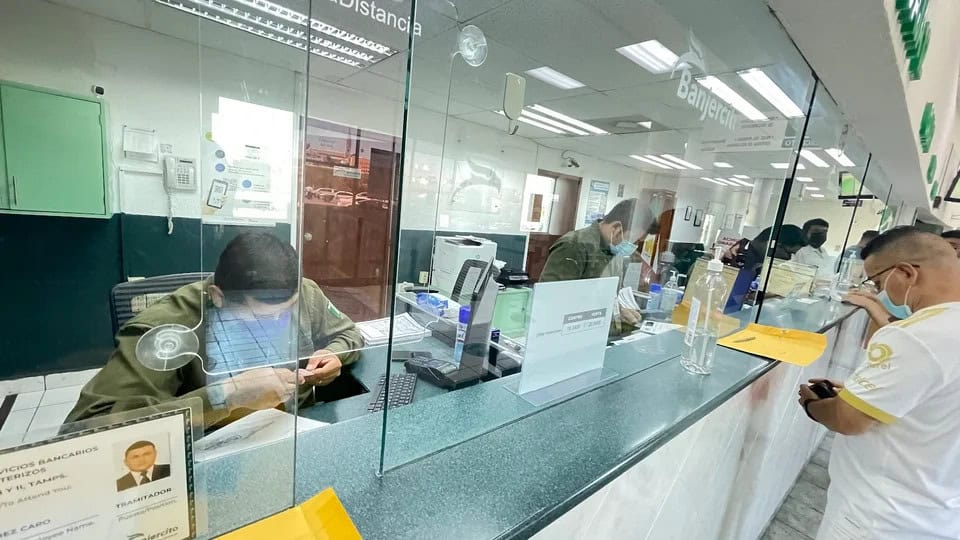
You may also ask a Mexican consulate about specific rules before travel. To get a TIP, bring:
- Valid passport. A passport card may work for land entry, but a passport is safest.
- Current residency visa card
- Valid vehicle title or registration. You must carry a valid vehicle title or registration when driving in Mexico.
- Proof of ownership, notarized letter, or permission letter from a leasing company or lienholder.
- A credit card in the driver’s name, though cash may be better to ensure you get your deposit back.
Getting your car permit at the land border will usually take 30 minutes or more. It can take longer depending on the crossing, the line, and whether your paperwork is complete.
Typical costs include a one-time fee of approximately $53 USD at the border.
Then you also have to pay a refundable deposit. The deposit amount is usually about $200 to $400 USD and varies by model year, with lower amounts for older cars.
Pro tip: I highly recommend paying the deposit with either cash or a card you absolutely know you will have access to later because Banjercito can only refund the original payment method.
If you pay with a credit card and then close that card, replace it, or lose access to it, getting the refund can become a pain.
You must formally surrender your TIP at a Banjercito office when exiting Mexico to get the deposit back. Do not assume it cancels automatically because you crossed the border.
If you’re applying in person, make sure you know where the Banjercito office is before you cross. We have a helpful list of Banjercito offices at the border to help you plan ahead.
Documents to Carry When Entering Mexico with a Foreign-Plated Vehicle
Mexican authorities can ask for documents at checkpoints. Carry originals and at least one black-and-white photocopy of each document, just in case they’d like to take one.
Valid documents are:
- Valid and current passport
- Residency card — original, not just a photocopy
- Vehicle registration
- Lienholder letter, notarized letter, or permission letter if applicable
- Printed TIP confirmation
- Mexican auto insurance policy
- Driver’s license, local or foreign
By the way, foreign driver’s licenses are legal in Mexico.
However, if you plan to live in Mexico long term, I recommend applying for a local driver’s license because some overzealous highway patrols may give you a hard time. It is also easier to replace a Mexican license while in Mexico than to replace a foreign one.
Keep scans on your phone and in the cloud, but formal procedures usually require physical documentation.
If you are also moving with pets, make sure you understand the current requirements for bringing pets into Mexico.
The Complete Mexico Relocation Guide gives you sample bilingual letters you can show road officials in Spanish in case you are pulled over.
Driving in Mexico: Practical Tips, Safety, and Insurance
Beyond TIP and registration, driving in Mexico includes things you may not be used to: topes, toll roads, different signage, slower drivers using highway shoulders, livestock, pedestrians, motorcycles, and police interactions that may feel different from what you’re used to in the U.S. or Canada.
Here are some practical tips.
Buy liability insurance from a Mexico-licensed insurer before you cross. Mexican law requires a specific auto liability insurance policy for vehicles in Mexico.
Use cuota roads when available. These are toll roads, and they are usually faster and better maintained than libre roads.
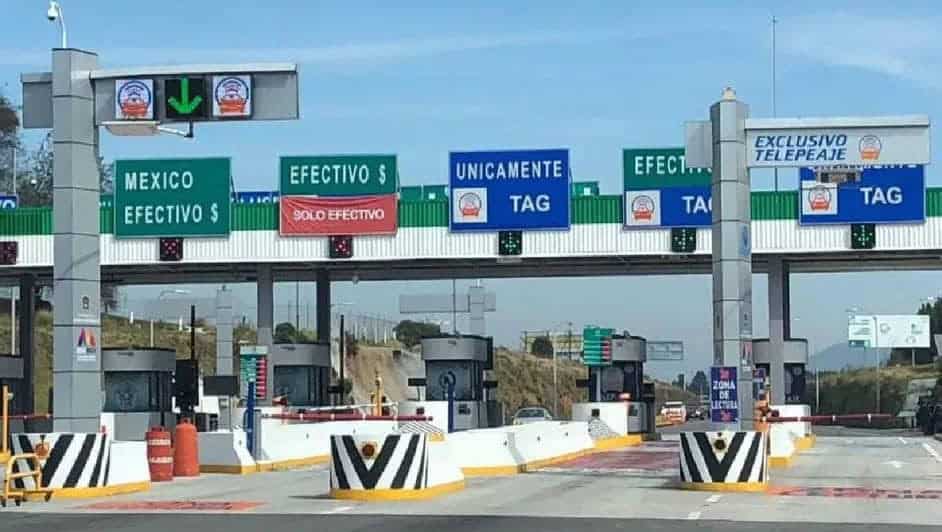
Carry cash because toll tags from Oxxo or convenience stores sometimes fail when booths lose internet. Every toll has at least one staffed booth, but it can be hard to identify at night.
Watch for unmarked topes, pedestrians, livestock, and poorly lit roads. Driving during the day is highly recommended.
If stopped by police or Guardia Nacional, stay calm. Keep your hands visible, present your documents, and avoid paying on-the-spot “fines” without a written ticket or receipt.
Carrying weapons or cannabis products into Mexico is strictly illegal, even if they are legal where you came from.
And for toll booths in Mexico, look for signs that say “efectivo” if you only have cash and not a toll tag, also called a Pase.
Who Can Drive a Foreign-Plated Car in Mexico If the TIP Is in Someone Else’s Name?
A common mistake people make is assuming that once a foreign-plated car has a valid TIP, anyone can drive it in Mexico.
That is not true.
The Temporary Import Permit is tied to the person who applied for it, their immigration status, and the specific vehicle. That means the person listed on the TIP is ultimately responsible for the car while it is in Mexico.
In general, a vehicle with a valid TIP may be driven in Mexico by the person listed on the permit, as well as their spouse, parents, grandparents, siblings, children, or grandchildren.
These family members may be allowed to drive the vehicle even if they are Mexican citizens or permanent residents, and the TIP holder does not necessarily need to be inside the car with them.
But the safest rule is this: if the TIP is in your name, treat the car as your responsibility.
Do not casually loan it out, rent it out, or leave it for someone else to use unless you have confirmed that it is legally allowed for your exact situation.
If you are moving as a couple or family, decide before crossing the border whose name should be on the TIP, who will be driving, and what documents everyone should carry.
This is especially important if only one person is listed on the vehicle title, registration, or residency documents.
Permanent Importation: How to Import a Car to Mexico for Good
Permanent importation allows vehicles to remain in Mexico indefinitely. This is also called “nationalizing a vehicle”. This allows you to keep your car but also have Mexican plates. However, only certain cars qualify.
Permanent import is mandatory for most Residente Permanente holders who want to keep a car outside Mexico’s free zones.
To import a vehicle, a certified Mexican customs agent must handle the paperwork. Permanent vehicle importation requires a licensed customs broker, also called an agente aduanal.
Eligibility depends on several things, including:
- Vehicle age
- VIN (where the car was assembled matters)
- Title status
- Customs classification
- Whether the vehicle was built under USMCA/NAFTA rules
- Current import rules at the time you import
Costs may include:
- Customs duties
- IVA
- Customs agent fees
- Border processing
- State plates
- Registration costs
The Complete Mexico Relocation Guide maintains vetted customs brokers along the U.S.-Mexico border who can give written quotes and verify a VIN before you decide to bring your car to Mexico.
How to Know If Your Car May Qualify for Permanent Importation Into Mexico
One of the first things a customs broker will look at is your VIN, or Vehicle Identification Number. This matters because many vehicles can only be permanently imported into Mexico if they were manufactured or assembled in North America, meaning the U.S., Canada, or Mexico.
A quick first step is to look at the first character of your VIN.
In general:
- VIN starts with 1, 4, or 5: usually assembled in the United States
- VIN starts with 2: usually assembled in Canada
- VIN starts with 3: usually assembled in Mexico
So if your VIN starts with 1, 2, 3, 4, or 5, your car may be more likely to qualify for permanent importation into Mexico, assuming it also meets the other requirements.
A licensed customs broker still needs to verify the vehicle’s age, title status, country of origin, customs classification, current import rules, and whether the cost of importing it even makes sense.
Also, do not assume that just because your car was bought in the U.S. or Canada, it was assembled in North America.
For example, some cars sold in the U.S. or Canada may have VINs that start with letters like J, K, S, W, or Z, which usually means they were assembled outside North America, such as Japan, Korea, England, Germany, or Italy and won’t qualify to be nationalized.
The cost of nationalizing or importing a car to Mexico will depend on the age of the vehicle. Usually, cars made 8-9 years ago tend to be the most affordable to import.
The Complete Mexico Relocation Guide includes vetted customs brokers who can review your VIN, tell you whether your vehicle may qualify, and help you decide whether it makes more sense to import your car or buy a Mexican-plated vehicle after you arrive.
Steps to Permanently Import a Vehicle
If your car may qualify, the process usually looks something like this:
- Verify eligibility with a customs broker.
- Resolve lien, salvage, or title issues.
- Gather title, ID, residency documents, and proof of address.
- Provide vehicle photos and VIN information for import.
- Schedule an approved border appointment.
- Complete Mexican customs inspection and pay duties.
- Register the vehicle with the Public Vehicle Registry to receive Mexican plates.
A customs broker prepares and files the customs documents for import. Vehicles must be registered with the Public Vehicle Registry to receive Mexican plates.
Once plated, the vehicle in Mexico is treated like a Mexican vehicle and may face emissions or circulation rules in that destination Mexican state.
Alternatives to Bringing Your Foreign-Plated Vehicle
Many expats in Mexico ultimately skip bringing a car because of paperwork, insurance differences, import costs, and long driving distances.
And honestly, I think in many cases it’s the smarter choice. For starers, driving in Mexico will be different than you’re used to. Also many Mexican cities tend to be designed for walking and for public transportation.
So here are your alternatives:
- Buy a used Mexican-plated vehicle after arriving.
- Use long-term rental or car-share options in Mexico City, Mérida, Querétaro, Puerto Vallarta, and other larger cities.
- Use public transportation, Uber, DiDi, taxis, and long-distance buses.
- Hire private drivers when needed.
- Live in a walkable neighborhood where a car is unnecessary.
If you buy a used Mexican-plated vehicle, make sure you do your homework.
Check REPUVE, verify tenencias and refrendos are paid, and confirm the VIN is clean.
Do not just hand over money because the car looks good and the seller seems nice.
Driving culture is different in Mexico, and public transportation is often less stressful than people expect.
ADO and ETN buses are extremely safe, comfortable, and affordable. In many cities, Uber, DiDi, taxis, private drivers, and local buses (colectivos) can easily cover most of your transportation needs.
Special Situations: Ferries, Expired TIPs, Theft, Total Loss, and Donations
Some car situations have specific processes and penalties, so do not assume every situation is handled the same way.
Ferries
A TIP is usually not required while the car remains in Baja.
But when taking a ferry from La Paz (Pichilingue) to Mazatlán or Topolobampo, the TIP becomes mandatory once the car disembarks on mainland Mexico.
Do not show up at the ferry assuming Baja free-zone rules continue once you reach the mainland.
Expired TIP
If a TIP expires while the vehicle is still in Mexico, you may need a Retorno Seguro to legally drive it out within a limited window.
This is not something to ignore.
If your TIP has expired, get professional help before continuing to drive the vehicle.
Theft or Total Loss
If your vehicle is stolen or declared a total loss while in Mexico, you need a police report and customs forms to cancel the TIP.
Do not leave this unresolved.
Donation
Formally donating a vehicle to Mexican Customs may be possible as a last resort, but it must be coordinated through SAT to avoid abandonment fines.
Do not abandon a vehicle in Mexico.
That can create legal and financial problems later.
Pro tip: The Complete Mexico Relocation Guide private Facebook community often shares real-world experiences from people who have handled these situations. Buying the guide gives you access to our private community.
How Mexico Relocation Guide Can Help You Bring or Not Bring Your Car
My commitment to you with the COMPLETE Mexico Relocation Guide is to give you an easy-to-follow and consistently updated moving-to-Mexico bible that includes checklists and a vetted directory of customs agents, insurance brokers, and car-buying helpers across Mexico.
But we do not only cover bringing your car to Mexico.
We also cover things like:
- Residency visas
- Healthcare
- Banking
- Pets
- Best places to live
- Cost of living
- Housing
- Transportation
- Driver’s licenses
- Buying a car
- Registering a vehicle
- Private drivers
- Relocation tours
- And more
Members get lifetime access to the Complete Mexico Relocation Guide, which is consistently updated when rules change.
The guide includes contacts for reputable customs brokers at Laredo, Nogales, Tijuana, and other crossings who can import a car.
We also connect members with locals across Mexico who help buy and register cars with Mexican plates.
Our relocation tours in 60+ cities show what daily life looks like with or without a car, including parking, transit, and actual driving conditions.
Because sometimes the answer is not “bring the car.”
Sometimes the better answer is to pick a walkable neighborhood, buy a Mexican-plated vehicle later, or use local transportation until you know where you are settling.
The goal is not just to get your car across the border.
The goal is to make your move to Mexico easier, safer, and less stressful.
FAQs: Bringing a Car to Mexico
Can I renew my TIP by just driving to the border and back in the same day?
Usually, no.
The TIP must be formally canceled at Banjercito when exiting, and a new TIP must be issued when re-entering, with the car physically crossing the border.
There is no guarantee you will get your deposit back or get a new TIP right away.
You also need immigration dates that align with the new permit.
Can someone else drive my foreign-plated car in Mexico if the TIP is in my name?
Certain close family members may drive when the TIP holder is in Mexico, but the TIP holder remains responsible.
Lending it to unrelated friends, workers, neighbors, or renting it out is risky and can lead to fines or seizure.
What happens if I sell my foreign-plated car in Mexico without importing it?
Selling a foreign-plated vehicle in Mexico without proper importation is illegal.
The correct procedure is usually exporting it, selling it in its home country, or working with a customs broker to import and convert it to Mexican plates before sale.
Do I need a TIP if I fly into Mexico and later buy a car there?
No.
Tourists or residents who buy a car already registered in Mexico do not need a TIP.
A TIP applies to foreign-plated vehicles temporarily entering from abroad, except in free zones such as all of Baja, Baja Sur, Quintana Roo, Rocky Point, Guaymas, San Carlos, and parts of Tamaulipas.
Is it cheaper to drive my car down or ship it to Mexico?
It depends.
You need to compare distance, fuel, tolls, lodging, insurance, time, shipping costs, and whether a TIP or import process is still required.
Shipping may still require a TIP or permanent import process depending on your situation.
Compare shipper and customs broker quotes against buying a vehicle in Mexico. Mexico Relocation Guide provides tools and vetted contacts to help you run that comparison accurately.
How do I know if my car can be permanently imported into Mexico?
Start by checking the VIN.
If your VIN starts with 1, 2, 3, 4, or 5, the vehicle may have been assembled in North America and may be more likely to qualify for permanent importation.
But the VIN is only the first step.
A customs broker must still verify the vehicle’s age, origin, title status, customs classification, current rules, and total cost before you assume the car can be legally imported.
Final Thoughts: Don’t Wing This Part of Your Move
Bringing your car to Mexico can absolutely make sense.
But only if it fits your situation.
If you are visiting a free zone, driving to Baja, or coming temporarily with the right paperwork, bringing your car may be simple.
If you are moving inland, becoming a permanent resident, or hoping to keep your foreign-plated vehicle in Mexico forever, you need to slow down and understand the rules first.
Mexico is very doable when you plan ahead.
And if you want help putting the whole move together, the Complete Mexico Relocation Guide gives you checklists, step-by-step guidance, and access to vetted contacts who can help you avoid costly mistakes.