 Contact
  Account


If you are looking for a smaller Mexican city with mild weather, deep history, beautiful architecture, and a slower pace of life, Pátzcuaro may catch your attention.
In our full video about living in Pátzcuaro, we take you beyond the pretty plazas and red-tile roofs so you can understand what daily life is really like.
You should never choose a place in Mexico based only on photos. You need to know what housing costs, where you will shop, how you will get around, and whether the lifestyle truly fits you.
Pátzcuaro is not one of Mexico’s biggest expat destinations, and that is a big part of its appeal. You will not find the same large English-speaking community that you might find in Lake Chapala, San Miguel de Allende, or Puerto Vallarta. Instead, you get a more local experience in one of the most culturally rich parts of Mexico.
And because it is in the central highlands of Mexico, this town gets almost perfect weather every day. Now, one of the reasons you won’t hear a lot about Patzcuaro is that there aren’t a lot of expats here. So learning Spanish will undoubtedly be necessary. Unlike other expat havens where you can essentially get by with mostly English.
That can be wonderful if you want to improve your Spanish and become part of a Mexican community. But if you need every service in English, want busy nightlife, or prefer a large city, Pátzcuaro may feel too small.

Where Is Pátzcuaro, Mexico?
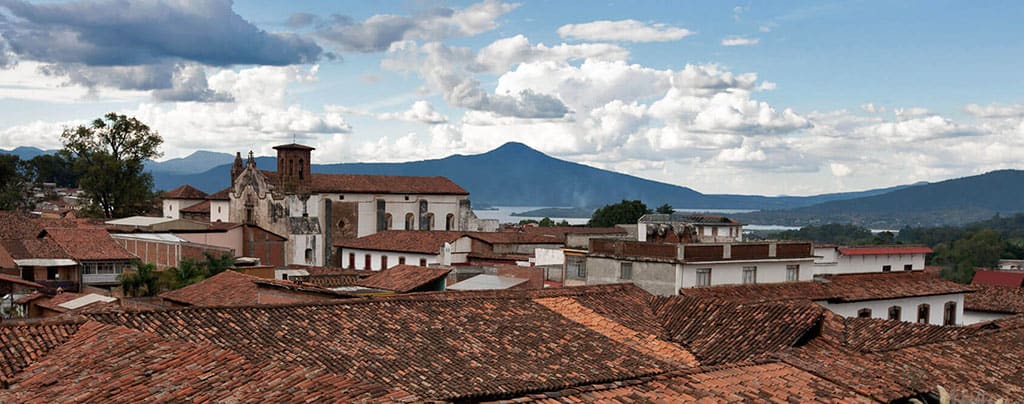
Pátzcuaro is in the state of Michoacán in western Mexico. It sits near Lake Pátzcuaro, surrounded by mountains, forests, small towns, and P’urhépecha communities that have protected their traditions for generations.
The city is roughly an hour from Morelia, depending on traffic and where you are going. That gives you access to a larger city when you need major shopping, certain medical specialists, or an international airport. Still, you will not need to travel to Morelia for normal errands. Pátzcuaro has supermarkets, local markets, doctors, pharmacies, restaurants, banks, and most of what you need for everyday life.
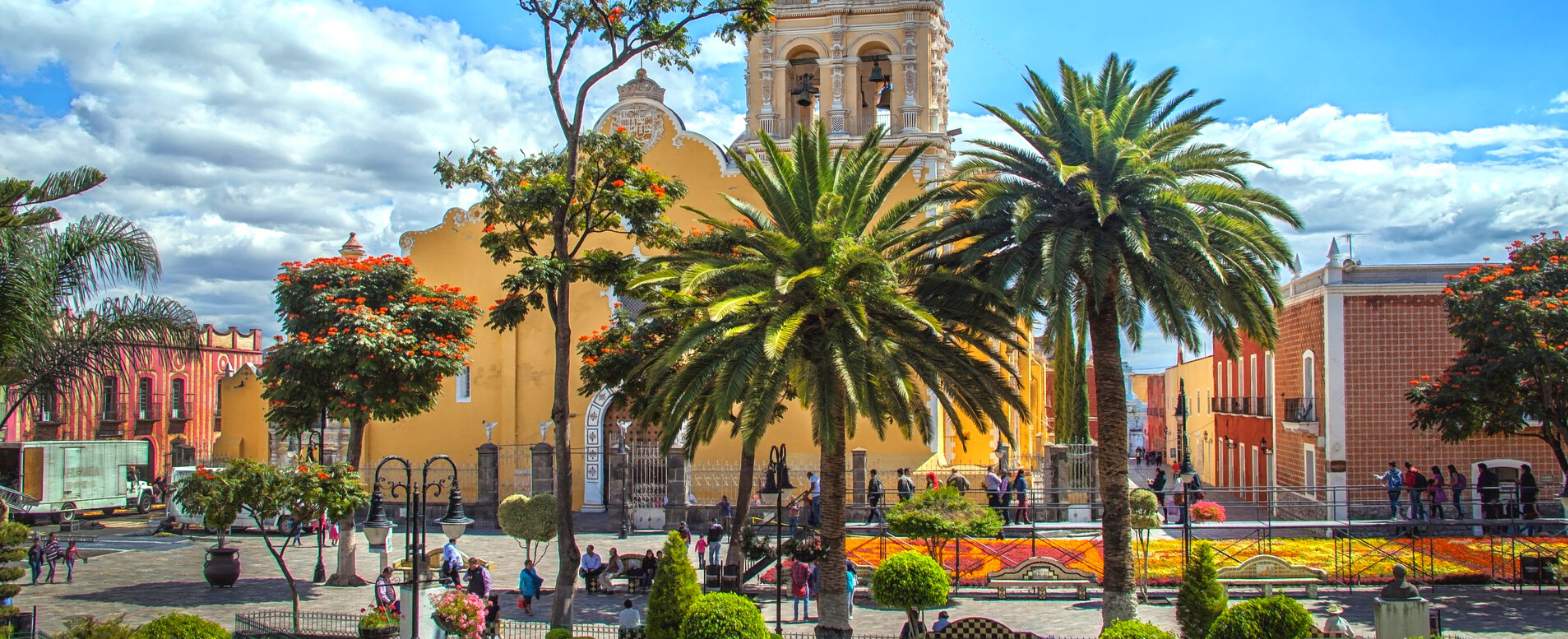
Pátzcuaro is also a Pueblo Mágico, or Magic Town. You can see why almost everywhere. You will find cobblestone streets, white buildings with dark red trim, large plazas, old churches, hidden courtyards, and local artisans selling work that reflects the region’s history.
This is not a town that was built for foreign residents. It is a real Mexican community with its own rhythm and identity. If that is what you want, Pátzcuaro deserves a closer look.
What Is the Weather Like in Pátzcuaro?
One of the biggest reasons people consider living in Pátzcuaro is the weather. The city sits at about 7,000 feet, or a little over 2,100 meters, above sea level. Because of that altitude, the climate is much cooler than Mexico’s beach destinations.
Daytime temperatures are often comfortable, and you do not normally need air conditioning the way you would in Mérida or Puerto Vallarta. The rainy season generally runs from late spring into early fall and keeps the surrounding hills green.
But you should not assume that “Mexico” always means warm weather. Mornings and evenings in Pátzcuaro can feel chilly, especially during winter. Many older Mexican homes are built with stone, concrete, and tile. They can hold the cold, and central heating is uncommon. A sunny afternoon may feel perfect while the inside of your home still feels cool.
When you look at rentals, ask about natural light, dampness, fireplaces, and how cold the home feels at night. Bring a warm jacket when you visit. If you love cool mornings and mild afternoons, the weather may be one of Pátzcuaro’s best features. If you want year-round heat, it probably will not be the right fit.
The History and Culture Are Part of Daily Life
Pátzcuaro is not just a colonial town with pretty buildings. Its story goes back to the pre-Hispanic era and is closely tied to the P’urhépecha people. The influence of Vasco de Quiroga can still be felt around the lake, especially through craft traditions that different communities continue today.
When you live here, culture is not something you only see inside a museum. You see it in the markets, food, music, religious celebrations, clothing, language, and handmade goods sold throughout town.
One of the best places to experience this is the Casa de los Once Patios, or House of Eleven Courtyards. This former convent is filled with artisan shops selling textiles, pottery, copper pieces, carved wood, masks, clothing, and more. You are often buying from the artisan or the artisan’s family.
Pátzcuaro is also famous for the Night of the Dead traditions held around the lake. This is not simply a tourist show. For local families, it is a meaningful time to honor loved ones who have died. Cemeteries and altars may be decorated with candles, marigolds, food, photographs, and personal items.
If you attend, be respectful. Follow local rules, keep your voice low, and do not treat a family’s graveside gathering like a photo opportunity. You are observing a sacred tradition, not entering a theme park.
Is There a Large Expat Community in Pátzcuaro?
There are foreign residents in Pátzcuaro, including retirees, artists, and people who want a quieter life. However, the expat community is much smaller than in Mexico’s best-known retirement destinations.
For some people, that is exactly the point. You may have more chances to meet local neighbors, use Spanish, and become part of the community instead of staying inside an expat bubble. Pátzcuaro also attracts creative people because of its architecture and crafts.
You should still be realistic about the language. You may meet bilingual business owners and professionals, but you cannot count on English everywhere. Basic Spanish will make your life much easier when you rent a home, visit a market, talk with a plumber, take public transportation, or explain a health problem.
You do not need perfect Spanish before moving. Start with the basics, practice, and do not be afraid to make mistakes. Most people appreciate the effort. But if you are not willing to learn some Spanish, life in Pátzcuaro may become frustrating.
Renting a Home in Pátzcuaro
Housing in Pátzcuaro can range from a simple apartment to a large historic home with several bedrooms and an interior courtyard. Your cost will depend on the location, size, condition, furniture, parking, and whether the property is being marketed mainly to foreigners.
In the video, we found small studios and apartments starting at around 5,000 to 6,000 pesos per month.
A 2 bedroom home in town will cost around $13k-18k pesos a month.
A larger furnished homes could range from about 20,000 to 30,000 pesos, while restored historic homes could cost 50,000 pesos or more.
Use these as starting points, not promises. Rents change, and the best local properties are not always online.
Centro gives you the most charm and lets you walk to plazas, restaurants, and markets. But historic homes can come with noise, limited parking, old plumbing, damp rooms, or poor insulation. Outside Centro, you may get a newer home, more space, or easier parking while staying a short ride from the center.
Do not sign a long lease after seeing a property only through photos. Visit during the day and at night. Check the water pressure, hot water, internet, cell signal, noise, sunlight, and rainy-season access. If you have mobility issues, pay close attention to cobblestones, hills, and steps.
And please do not send a large deposit to a stranger because the property looks like a bargain. Rental scams happen in Mexico too. Verify who owns or legally controls the property, read the lease, understand what is included, and get help if anything feels unclear.
Utilities and Monthly Cost of Living
Your cost of living will depend on your lifestyle. A person renting a simple apartment and shopping at markets can live very differently from someone renting a restored home, owning a car, eating out often, and traveling several times a year.
The video showed relatively low utility costs. Water was around 250 pesos per month, while electricity for a two-person household was estimated at 600 to 800 pesos. A gas cylinder costing a little over 700 pesos could last a small household around two months. Basic internet started near 500 pesos, with faster plans costing more.
Prices change, and every house is different. A large or older home costs more to maintain, and electric space heaters can raise your power use.
At the time of filming, we estimated that you could live comfortably in Pátzcuaro for around $1,200 USD per month with rent and basic utilities. Treat that only as an example of a modest lifestyle. Add healthcare, transportation, travel, immigration costs, pet care, and emergencies before deciding what you truly need.
Grocery Shopping and Local Markets
You can do much of your shopping in local mercados and neighborhood stores. Instead of driving across town, you may have a produce shop, butcher, bakery, cheese shop, pharmacy, and small grocery store within a few blocks.
Near the center, Plaza Gertrudis Bocanegra—often called Plaza Chica—is important for shopping and local food. You can buy produce, clothing, household goods, and prepared dishes. Pátzcuaro also has tianguis, or markets that open on certain days, where you can buy from small producers.
For a larger supermarket trip, you have Mexican chains in and around town. Morelia gives you more choices for imported products. You can save money and enjoy better seasonal food when you shop locally.
Getting Around Pátzcuaro
Pátzcuaro is walkable for many people. If you live near Centro and have no mobility problems, you may handle most errands on foot. Still, you will deal with cobblestones, uneven sidewalks, hills, rain, and traffic.
Local combis, or shared vans, connect neighborhoods and nearby communities. Taxis are also common. Prices change, so confirm the fare instead of relying on an old estimate.
You can live without a car if you choose your neighborhood carefully. A car gives you more freedom to explore the region, but it also means parking, insurance, maintenance, registration, and narrow streets.
There is no commercial airport in Pátzcuaro. The closest major option serves Morelia. Flight routes change, so check current schedules. If you travel often, test the full airport trip during your scouting visit.
Healthcare in Pátzcuaro
You can find pharmacies, general doctors, dentists, private offices, and medical clinics in Pátzcuaro. Some pharmacies have a doctor’s office next door where you can get a basic consultation at a low cost. These offices can be useful for simple illnesses, but they are not a replacement for emergency care or a trusted specialist.
The Hospital General Dr. Gabriel García provides general and specialty care in Pátzcuaro, including 24-hour evaluation. For more complex care or more specialists, you may need to go to Morelia.
Before moving, think honestly about your health. Find out where the right specialist is, how long it takes to get there, what your insurance covers, whether the doctor speaks English if needed, and what you would do in an emergency.
What Do You Do for Fun in Pátzcuaro?
Pátzcuaro is more of a daytime and early-evening town than a nightlife destination. You can walk through the plazas, visit museums, browse artisan shops, enjoy coffee, and try local food.
The lake region gives you many day trips. You can take a boat toward Janitzio, visit the archaeological site at Tzintzuntzan, see copper workshops in Santa Clara del Cobre, or explore communities known for pottery, woodwork, textiles, and food.
At night, you will find restaurants, bars, cafés, street food, and performers around the main plazas. But if you want large clubs and a fast social scene, you may get bored.
Is Living in Pátzcuaro Right for You?
Pátzcuaro may be a great fit if you want mild weather, a slower pace, strong Mexican culture, walkable daily life, beautiful architecture, and a smaller foreign community. It can work for retirees, artists, remote workers, couples, and even younger families who are comfortable living in a more local environment.
However, Pátzcuaro is not for everyone. You may struggle if you need warm beach weather, flat sidewalks, lots of English, major-city shopping, a large expat network, or advanced medical care within a few minutes of home. The town can also become busy during major holidays, especially around Night of the Dead.
The only way to know is to visit first. Stay longer than a weekend. Shop for groceries, ride in a combi, walk the neighborhood after dark, test the internet, and notice how you feel when the sightseeing ends. Moving to Mexico should improve your life. Do not force yourself to love a place that does not fit you.
Plan Your Move to Pátzcuaro the Right Way
Choosing a city is only one part of moving to Mexico. You still need to understand residency, healthcare, rentals, banking, moving your belongings, buying a car, and other steps. The hardest part is often knowing which information is current and who you can trust.
That is why I created the Complete Mexico Relocation Guide. It walks you through the process in plain English and gives you instant access to our directory of vetted contacts across Mexico. Instead of spending hundreds of hours sorting through conflicting advice, you can follow a clear plan and connect with professionals who understand how to help foreigners.
Mexico Relocation Guide has helped hundreds of thousands of people learn how to move to Mexico with fewer headaches and fewer surprises. You still need to do your homework, visit first, and make decisions that fit your life. But you do not have to figure out every step alone.
If Pátzcuaro feels like the kind of place you could call home, start planning now. Get instant access to the Complete Mexico Relocation Guide and learn how to make your move to Mexico the right way.