 Contact
  Account


Are you one of the millions of Americans moving to Mexico? Or thinking about it?
Over 2 million America have already made Mexico their home as of 2025 – that’s a good 75% increase since 2019. If you’re considering joining this growing community of American expats, you’re probably wondering what it really takes to make the move to this diverse country.
The numbers tell an incredible story. While most Americans once viewed Mexico primarily as a vacation destination, it’s now become the top choice for U.S. citizens seeking to live in a foreign country. From young professionals and digital nomads to retirees looking for a peaceful life, people are discovering that Mexico offers far more than beautiful beaches and rich cultural heritage.
This quick guide covers everything you need to know about Americans moving to Mexico, from visa requirements and cost of living to finding the perfect neighborhood and building your expat community. Whether you’re dreaming of Mexico City’s vibrant culture, San Miguel de Allende’s colonial charm, or Playa del Carmen’s stunning beaches along the pacific ocean, we’ll help you navigate every step of your journey.
Why Americans Are Moving to Mexico
The surge of Americans living in Mexico isn’t happening by accident. Over 2 million Americans now call Mexico home as of 2025, representing a 75% increase since 2019. This dramatic shift reflects several compelling factors that make Mexico an attractive alternative to life in the United States.
Cost of Living Advantages
The most immediate draw for many american citizens is the significant cost savings. The cost of living is about 60% lower than major U.S. cities, with average monthly expenses for a couple around $2,000 versus $5,500 in the U.S. This affordable cost allows many Americans to live more comfortably on retirement income, freelance work, or remote employment.
Mexico ranks consistently among the top destinations where you can maintain a comfortable lifestyle for far less than you’d spend in major cities across the United States. The strong U.S. dollar against the mexican peso means your purchasing power goes much further, whether you’re buying groceries, dining out, or paying rent. If you’re considering moving to Mexico, you should be aware of the most important steps to make the process smooth.
Rich Culture and Lifestyle Benefits
Beyond the financial advantages, Mexico offers a rich cultural heritage that attracts Americans seeking a more meaningful lifestyle. The vibrant street food scene, world class museums, and deeply rooted traditions create an environment that many expats find more engaging than their previous homes in other countries.
The tropical and hot weather in coastal areas, combined with the temperate climate in cities like Mexico City and San Miguel de Allende, provides year-round outdoor living opportunities. Many American expats discover they can enjoy activities and social connections that were harder to maintain in their previous locations.
Healthcare Quality and Accessibility
Mexico’s healthcare system offers another major advantage. The country provides high-quality private healthcare at a fraction of U.S. costs, making medical expenses much more manageable. Many international schools and medical tourism facilities cater specifically to foreign residents, ensuring you can access familiar standards of care.
Established Expat Communities
Unlike moving to many other countries, Americans moving to Mexico benefit from well-established expat communities. These networks provide social support, practical advice, and assistance with everything from finding housing to navigating local bureaucracy- like getting your Mexican residency visa. The presence of other American expats makes the transition smoother while still allowing you to immerse yourself in Mexican culture.
Legal Requirements and Visa Options for Americans
Understanding the legal pathways for living in Mexico is crucial for anyone considering the move. The mexican government offers several visa categories that accommodate different situations, from temporary stays to permanent residency.
Tourist Stays and Short-Term Visits
As an american citizen with a U.S. passport, you can enter mexico for tourist stays of up to 180 days with a tourist visa (aka an FMM). This option works well for those testing the waters or spending extended time in Mexico without formal residency. However, you cannot work legally or access certain services during tourist stays.
Many americans use this period to explore different regions, establish connections with local communities, and determine where they might want to settle permanently. The 180-day limit resets when you leave and re-enter the country, though immigration officials may question frequent entries and exits.
Temporary Resident Visa
The temporary resident visa allows you to live in mexico legally and offers significantly more flexibility than tourist status. After 4 years, you can apply to become a permanent resident, without having to leave Mexico and without having to prove economic solvency again. This visa category accommodates remote workers, retirees with sufficient income, and others who can demonstrate the minimum income requirements for a Mexican Residency.
To qualify for a temporary resident visa, you’ll need to visit your nearest mexican consulate or the local mexican consulate in your area. The application process requires proof of minimum monthly income or substantial savings, along with supporting documentation.
Permanent Residency Options
permanent residency in Mexico provides the most stability and is mostly only open to those over 60, though exceptions exist for those married to Mexican citizens or with significant business investments. permanent resident visa holders enjoy nearly all the rights of Mexican citizens except voting.
The path to permanent residency typically requires either four years as a temporary resident or meeting specific criteria related to age, marriage to a Mexican citizen, or economic solvency.
Mexican Citizenship Pathway
Americans can be naturalized after five years of legal residency, or just two years if married to a Mexican citizen. While dual citizenship is permitted, this step requires careful consideration of tax implications and other obligations in both countries.
Financial Requirements for Mexican Visas
The financial requirements for Mexican visas are based on multiples of the Mexican minimum wage, which stands at $279 pesos or $13.75 as of January 2025. Specific requirements vary by consulate location, so you should contact your nearest Mexican consulate for exact income requirements.
Generally, you’ll need to provide 6-12 months of bank statements demonstrating consistent income or savings. The good news for families is that dependents don’t face the same high requirements – you’ll typically need only about $800-1,500 USD extra per month for family members. If you’re considering moving, it’s also worth learning about the unique sounds and noises you may encounter in Mexico to prepare for daily life.
Required Documentation
Beyond financial proof, you’ll need:
- Valid passport with at least 18 months remaining validity
- Completed visa application (available at mexican consulates)
- Proof of economic solvency through bank statements or employment letters
- Application fee of $54- fees increase yearly
- Passport photos meeting Mexican government specifications
The national immigration institute (aka INM) processes applications, but initial submission occurs at Mexican consulate locations. Processing times vary, so apply well before your intended move date.
Top Destinations for American Expats
choosing where to live in mexico depends on your priorities: climate, cost, cultural activities, expat community size, proximity to airports or the U.S. border, and access to healthcare in Mexico. Here are the most popular destinations for american expats, each offering unique advantages.
Mexico City: The Cultural Capital
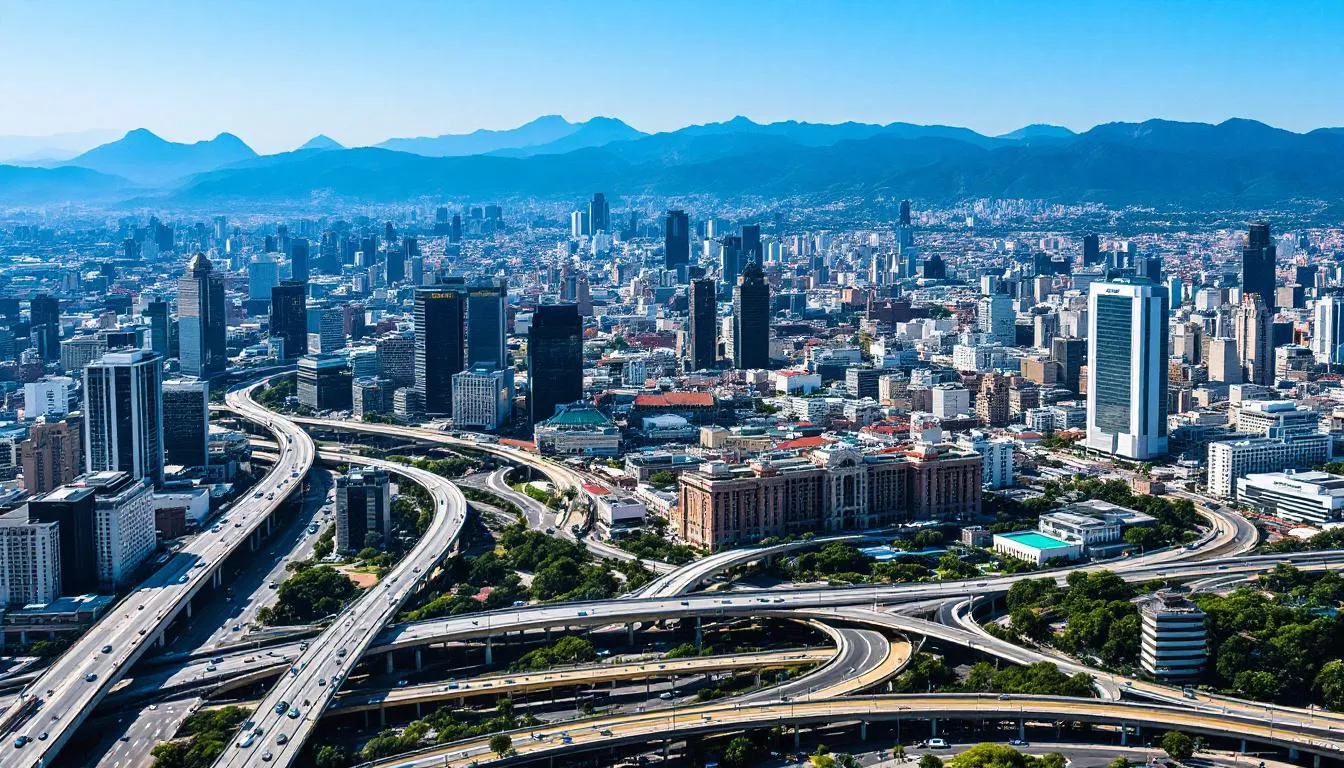
Mexico City, with nearly 10 million residents in the city proper and about 20 million in the metroplex, serves as Mexico’s capital city and offers incredible cultural richness combined with affordability. The temperate weather year-round makes it comfortable for those seeking to escape extreme climates. Mexico city’s neighborhoods like Roma Norte, Del Valle, Condesa, and Polanco have become magnets for American expats.
The city provides world class museums, innovative restaurants, and a thriving arts scene. Mexico city residents enjoy excellent public transportation, international airports with direct flights to major U.S. cities, and access to top-tier private healthcare. The cost of living remains significantly lower than comparable major cities in North America or Europe.
Younger foreigners and digital nomads particularly appreciate Mexico City’s vibrant coworking spaces, reliable internet infrastructure, and 24/7 energy. The expat community includes everyone from remote workers to families taking advantage of excellent international schools.
Merida: Safety and Affordability
Known as one of Mexico’s safest cities, Merida offers costs about 20% lower than Mexico City while maintaining excellent infrastructure and healthcare. The city attracts expats seeking a more traditional Mexican experience without sacrificing modern amenities.
Merida’s colonial architecture, proximity to archaeological sites, and strong sense of community appeal to retirees and those seeking a slower pace of life. The city hosts numerous festivals throughout the year and maintains strong connections to traditional Mexican culture.
Ajijic- The Largest Retiree Expat Community in All of Mexico
Ajijic, in the well known area known as Lake Chapala, is one of the most unique places in Mexico. Since the 1950s, this colorful, cobblestoned little town has been an appealing destination. It attracts people worldwide seeking art, food, culture, music, and spirituality.
There is something to be said about the unique energy of the lake, the people it attracts, and the mountains surrounding this beautiful paradise. Many come here for a visit and always want to stay. It’s known as as one of the cities of Mexico with near perfect weather- never too hot or too cold. It attracts world travelers and other bohemian types who have decided to settle down here for the last several decades. There is just something about this place that keeps people coming back. For many, living in Ajijic is like a dream.
Guadalajara: Tech Hub with Perfect Weather
Mexico’s second-largest city serves as a major tech hub, making it ideal for digital nomads and young professionals seeking work opportunities with Mexican employers or international companies. Guadalajara enjoys excellent weather year-round and offers a lower cost of living than Mexico city.
The city provides excellent healthcare facilities, multiple international schools for families, and easy access to beach destinations on the pacific ocean. Guadalajara’s expat community includes many remote workers, retirees, and entrepreneurs who appreciate the city’s business-friendly environment.
Puerto Vallarta: Beach Paradise
This popular beach destination along the pacific ocean offers established American communities and never a dull day on the beach. Puerto Vallarta attracts retirees and remote workers seeking tropical and hot weather combined with modern amenities and excellent healthcare.
The city offers direct flights to many U.S. destinations, making it easy to maintain connections back home. puerto vallarta’s infrastructure caters well to foreign residents, with numerous english-speaking service providers and established expat networks.
San Miguel de Allende: Colonial Charm
This UNESCO World Heritage city combines colonial charm with a tight-knit expat community and excellent year-round weather. san miguel de allende attracts artists, retirees, and those seeking a sophisticated small-town atmosphere with cultural richness.
The city offers excellent restaurants, art galleries, and cultural events while maintaining reasonable living costs. San Miguel de Allende’s (or SMA as it is also known) expat community is particularly well-established, offering newcomers extensive support networks and social opportunities.
Playa del Carmen: Maya Riviera Beauty
Located in the Maya Riviera, Playa del Carmen offers beach town lifestyle with some of the prettiest beaches in the world. The city attracts young expats, remote workers, and retirees seeking tropical living with modern conveniences.
PDC as it is sometimes known, provides easy access to Cancun’s international airport, excellent diving and water sports, and a growing expat community. The town balances mexican culture with international amenities, making it popular among americans seeking beachfront living.

Cost of Living Breakdown
Understanding the true cost of living in Mexico helps you budget effectively and choose the right location for your financial situation. Here’s a detailed breakdown comparing costs across different categories and locations.
Housing Costs by Location
Housing represents the largest expense for most expats, but costs vary dramatically by location and housing type:
| Location | City Center (1BR) | City Center (2BR) | Outskirts (1BR) | Outskirts (2BR) |
|---|---|---|---|---|
| Mexico City | $1,100-1,800 | $1,500-2,500 | $600-1,000 | $800-1,400 |
| Guadalajara | $600-900 | $1,000-1,600 | $435-535 | $550-750 |
| Puerto Vallarta | $800-1,200 | $1,100-1,800 | $500-800 | $700-1,100 |
| San Miguel | $700-1,100 | $1,000-1,800 | $450-700 | $600-950 |
| Playa del Carmen | $900-1,400 | $1,200-2,000 | $550-850 | $750-1,200 |
Monthly Living Expenses for Americans Moving to Mexico
Average monthly expenses for singles in Mexico run approximately $1,500 USD versus $3,500 USD in the USA. couples can live comfortably on $2,300 per month or more, depending on location and lifestyle choices.
Food and Dining
- Grocery shopping: $200-300/month for a couple
- Local restaurant meals: $3-8 per person
- Mid-range restaurant: $15-25 per person
- street food: $1-3 per meal
- Good home-cooked meals from small restaurants for $5 USD
Dining out becomes a regular habit for many expats because restaurant prices make it affordable to eat out frequently while supporting local businesses.
Transportation
- Public transport: $15-25/month
- Taxi/Uber: $2-8 per ride in larger cities
- Gasoline: $4.50-5.00/gallon
- Car insurance: $300-600/year
Utilities and Services
- Electricity: $30-80/month (varies by climate and usage)
- Internet: $25-40/month for high-speed
- Cell phone: $15-30/month
- Water: $10-20/month
- Gas (cooking): $15-25/month
Entertainment and Lifestyle
- Movie tickets: $3-5
- Gym membership: $25-50/month
- Domestic help: $8-15/day
- Gardener: $20-40/month
Services like gardeners and housekeepers become more accessible due to lower labor costs, allowing many expats to afford help they couldn’t justify in the U.S.
Healthcare Costs
- Doctor consultation in a pharmacy $3-5
- Doctor consultation in a private practice $25-50
- Specialist visit: $40-80
- Dental cleaning: $25-40
- Private health insurance: $100-300/month depending on age and coverage
- Prescription medications: 50-80% less than U.S. prices
Finding Housing and Best Neighborhoods
Securing appropriate housing ranks among the most important decisions for Americans moving to mexico. Understanding rental processes, neighborhood characteristics, and legal requirements helps ensure you find suitable accommodations.
Popular Expat Neighborhoods for Americans Moving to Mexico
Mexico City offers diverse neighborhood options:
- Roma Norte: Trendy area with cafes, restaurants, and young professional community
- Del Valle: More affordable than Roma with good access to metro and services
- Condesa: Park-filled neighborhood popular with expats and locals
- Polanco: Upscale area with luxury shopping, restaurants, and business district proximity
Family-friendly neighborhoods include Interlomas, Pedregal, and Bosques de las Lomas, which offer larger homes, international schools, and suburban-style living.
Rental Process and Requirements
Renting in mexico requires understanding local processes that differ from U.S. standards:
Standard Rental Requirements:
- Minimum six-month lease terms
- mexican guarantor (“fiador” or “Aval”) – often challenging for new expats
- First month’s rent plus security deposit
- Possible lawyer review of rental agreement- varies by city
- Proof of income (bank statements or employment letters)
Many expats initially use short-term furnished rentals while searching for permanent housing and establishing local banking relationships that facilitate longer-term leases.
Property Ownership Options
Foreign property ownership is allowed throughout most of Mexico, with some restrictions in coastal and border zones that require bank trust arrangements (fideicomiso). Many American expats choose to build custom homes at a discounted rate or purchase existing properties, especially in established expat communities.
Working with a knowledgeable real estate agent familiar with foreign buyer requirements helps navigate legal requirements and ensures proper documentation.
Housing Search Strategies
Online Platforms:
- Inmuebles24 (Mexico’s largest real estate site)
- Vivanuncios (popular classified ads)
- Facebook groups for specific cities and expat communities
- Local real estate agency websites
Local Resources:
- Walking neighborhoods to find “Se Renta” (For Rent) signs
- Asking within expat communities for referrals
- Contacting local real estate agents who speak english
Starting your search before arriving helps, but seeing properties in person remains essential for making final decisions.

Healthcare System in Mexico
Mexico’s healthcare system provides one of the strongest incentives for american expats, offering quality care at significantly lower costs than the United States. Understanding your options helps you access appropriate care while managing expenses effectively.
Healthcare System Structure
Mexico operates both public and private healthcare systems. public healthcare through IMSS (Instituto Mexicano del Seguro Social) now offers voluntary registration without employer sponsorship, making it accessible to foreign residents. However, most American expats choose private healthcare for shorter wait times, private rooms, and some English-speaking providers.
Private healthcare in Mexico delivers excellent quality at costs typically 60-70% lower than equivalent U.S. care. Many facilities meet international accreditation standards and employ doctors trained in the U.S. or Europe.
Top Medical Facilities
Leading hospitals serving the expat community include:
- ABC Medical Center (CDMX) – Premier private hospital with english-speaking staff
- Hospital Ángeles (multiple locations) – Excellent network with modern facilities
- MAC (Medical Center) (Puerto Vallarta) – Popular with American expats
- Médica Sur (Mexico City) – Known for specialized care and research
These facilities offer services comparable to top U.S. hospitals while charging significantly less for procedures, consultations, and emergency care.
Insurance Options
Private health insurance remains the preferred choice for most american expats. Local mexican insurance companies offer comprehensive plans starting around $100-300 monthly, depending on age and coverage levels.
International health insurance provides broader coverage including emergency evacuation and treatment in other countries. These plans cost more but offer peace of mind for those concerned about accessing care outside mexico.
Many American retired expats choose to pay out of pocket for routine care and maintain Medicare Advantage plans for emergencies when visiting the United States. This hybrid approach often proves more cost-effective than comprehensive international coverage.
Key Insurance Considerations:
- Pre-existing condition coverage varies significantly between providers
- Some plans exclude coverage in the U.S., while others include it
- Age significantly impacts premium costs
- Annual limits and deductibles affect total out-of-pocket expenses
Medical Tourism Benefits
mexico covers a significant portion of the global medical tourism market, with many americans traveling specifically for procedures like dental work, cosmetic surgery, and specialty treatments. medical expenses for procedures often cost 50-80% less than U.S. equivalents while maintaining high quality standards.
Prescription medications also cost substantially less, with many drugs available without prescriptions that require them in the United States.
Work Opportunities and Business
Finding employment or starting a business in mexico requires understanding legal requirements, market conditions, and cultural factors that influence professional success.
Legal Work Requirements
To work legally in mexico, you need a work permit from the national immigration institute through an employer or for self-employment. Additionally, all foreigners wanting to work in Mexico must obtain RFC (Registro Federal de Contribuyentes) registration through SAT (Servicio de Administración Tributaria), Mexico’s tax authority.
Work Permit Process:
- Employer sponsorship for traditional employment
- Self-employment permits for entrepreneurs and freelancers
- Professional services permits for consultants and specialists
- Investment-based permits for business owners
Employment Opportunities
English-speaking expats often find opportunities in several key sectors:
Tourism and Hospitality
- Hotel and resort management
- Tour operations and travel services
- Restaurant and bar management
- real estate agent services for expats
Education
- English language instruction
- international schools teaching positions
- Private tutoring and test preparation
- Corporate english training
Technology and Remote Work Remote work opportunities for international companies have become increasingly common, especially in larger cities with reliable internet infrastructure. Mexico City, Guadalajara, and other major cities offer coworking spaces and business services supporting digital nomads and remote workers.
Language and Employment
Learning to speak Spanish greatly improves job prospects with Mexican employers and opens opportunities beyond the expat-focused economy. Spanish lessons, language exchanges, and immersion experiences accelerate language acquisition while building professional networks.
Job Search Resources:
- OCCMundial (Mexico’s largest job board)
- Computrabajo (popular across latin america)
- LinkedIn with spanish-language profiles
- Local networking events and business groups
Business and Entrepreneurship
Starting a business in Mexico offers opportunities in many sectors, especially services catering to growing expat communities or leveraging connections between Mexico and the United States.
Business Advantages:
- Lower operating costs for labor, rent, and services
- Growing domestic market with increasing purchasing power
- Strategic location for North American trade
- Government incentives for certain types of investment
Important Note: Foreign-earned income is not taxed in Mexico, making remote work for U.S. companies particularly attractive for tax planning purposes.

Banking and Financial Considerations
Establishing banking relationships and managing finances across borders requires careful planning and understanding of both mexican and U.S. requirements.
Currency and Exchange Rates
The mexican peso (MXN) exchange rate fluctuates but has remained relatively stable against the U.S. dollar. As of 2025, the rate stands at approximately 1 USD to 18.50 MXN. Exchange rate movements can significantly impact your purchasing power, so many expats maintain accounts in both currencies.
Mexican Banking System
Major banks serving expats include:
- BBVA México – Large network with english-speaking staff in major cities
- Banorte – Strong domestic presence with competitive services
- Santander Mexico – International bank with expat-friendly policies
Digital banking options like Hey Banco, NU, and SuperDigital offer modern online services, though some require stronger spanish language skills for account management.
Opening Bank Accounts
opening bank accounts requires in-person visits to local branches and can be challenging for newcomers. Requirements typically include:
- Valid photo ID (passport)
- Proof of mexican residency (utility bills or rental agreement)
- Legal entry documents (visa or FM3/FM2)
- Some level of spanish proficiency for document review and account management
Many banks require mexican legal residency status, making tourist visa holders ineligible for full banking services. Starting with international banks or waiting until you obtain temporary resident status often proves more successful.
International Money Management
Money Transfer Services international money transfer services like Wise are extremely helpful for expats, offering better exchange rates and lower fees than traditional banks for moving money between the U.S. and mexico.
Multi-Currency Strategies Many successful expats maintain:
- U.S. bank account for income, investments, and U.S. obligations
- Mexican bank account for local expenses and automatic payments
- International money transfer services for regular currency exchanges
- Emergency funds in both currencies
Financial Planning Considerations
Currency Risk Management
- Diversify holdings between USD and MXN
- Time large purchases with favorable exchange rates
- Consider natural hedges (earn in USD, spend in MXN)
Investment Access
- U.S. brokerage accounts remain accessible to American citizens abroad
- Mexican investment options exist but may have different tax implications
- Professional financial advice becomes crucial for complex situations
Cultural Adaptation and Learning Spanish
Successfully integrating into mexican culture requires openness, patience, and effort to understand local customs while building language skills that enable deeper connections.
Language Learning Importance
Only about 30% of Mexicans speak English, making Spanish essential for daily life – younger generations speak it more than older generations. While tourist survival is possible without spanish, living requires basic language skills for everything from banking to healthcare appointments.
Language Learning Resources:
- Local spanish lessons through community centers and private schools
- Language exchange programs pairing English and Spanish speakers
- Online platforms like Duolingo, Babbel, and SpanishPod101
- Immersion through volunteer work and community involvement
Many expats find that investing in formal spanish lessons during their first few months accelerates integration and opens up friendship opportunities with mexican citizens.
Cultural Differences and Adaptations
Social Customs:
- Relaxed punctuality – arriving 15-30 minutes late is often acceptable socially
- Closer personal space during conversations compared to typical American norms
- Very friendly people who are generally welcoming towards foreigners
- Different business customs emphasizing relationship-building over task focus
Family and Community Values mexican culture embraces community and family values, with extended families often living close together and supporting each other. mexicans are very welcoming towards foreigners who show respect for local customs and make efforts to integrate.
Daily Life Adaptations:
- Afternoon siestas in smaller towns affecting business hours
- Different shopping patterns with smaller, more frequent purchases
- Greater emphasis on fresh, local food markets
- More formal greeting customs and respectful communication styles
Building Cultural Connections
Community Involvement
- Volunteering with local charities and non-profit organizations
- Participating in neighborhood committees and improvement projects
- Attending cultural festivals, religious celebrations, and community events
- Supporting local businesses and forming relationships with owners
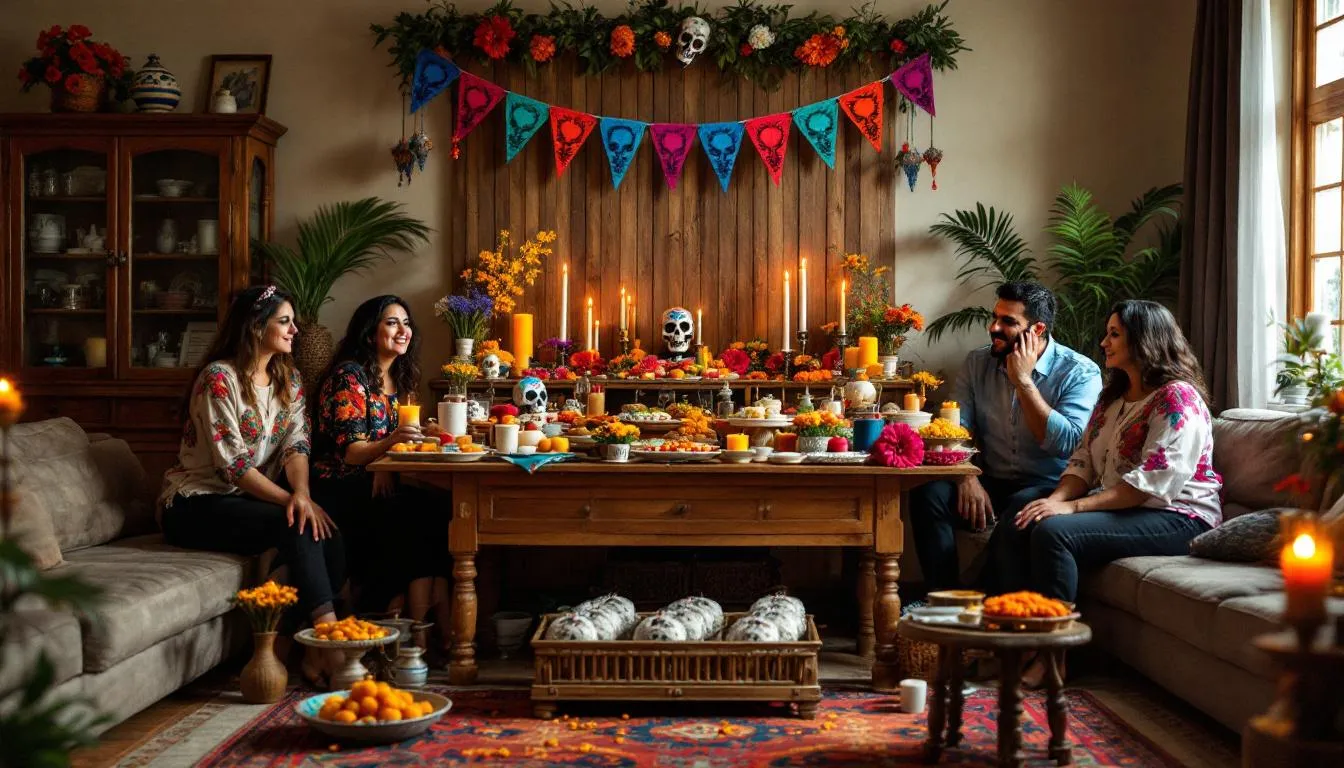
Understanding Mexican Holidays and Traditions Learning about and participating in Mexican holidays like Day of the Dead, Independence Day, and local patron saint festivals demonstrates respect and creates opportunities for deeper cultural understanding.
The rich cultural heritage includes incredible diversity across different regions, with each area maintaining distinct traditions, food specialties, and social customs worth exploring and appreciating.
Safety Considerations
Understanding safety conditions and taking appropriate precautions allows most American expats to live peacefully in Mexico while enjoying the country’s many benefits. So yes, most of Mexico is perfectly safe to live in- especially if you have no ties or activity with the cartels.
Overall Safety Perspective
Mexico ranks 138th out of 163 countries on the 2024 Global Peace Index, while the United States ranks 132nd. This comparison illustrates that many american expats live safely in peaceful communities throughout mexico, often in areas with lower crime rates than their previous U.S. neighborhoods.
Crime issues mainly stem from drug cartel activity concentrated in specific regions- most of which no foreigners would ever have an interest in living in. While most expat communities are located in safer areas with good security infrastructure and local police presence.
Regional Safety Variations
Areas Requiring Extra Caution:
- Border regions with active cartel presence
- Certain northern states with ongoing security issues
- Remote rural areas without adequate police coverage
Practical Safety Strategies
Basic Precautions:
- Research specific neighborhoods before choosing housing
- Stay informed about local conditions through expat networks
- Avoid displaying expensive jewelry, electronics, or large amounts of cash
- Use registered taxis or ride-sharing services rather than street hails
- Keep copies of important documents separate from originals
Community-Based Safety: Expat communities generally locate in safer areas with established security measures. Many neighborhoods employ private security guards, maintain gated access, and coordinate with local police for enhanced protection. Cartels don’t like messing with Americans because they understand that would be career suicide for their organizations.
Staying Informed
Reliable Information Sources:
- Local expat Facebook groups and online forums
- English-language local news sources
- Community safety networks and neighborhood watches
- Mexico Relocation Guide Facebook Page
- Mexico Relocation Guide YouTube Channel
Most safety concerns affect tourists rather than resident expats who understand local conditions and take appropriate precautions. Building relationships within your community creates informal safety networks that provide both practical protection and peace of mind.
Tax Implications for Americans Living in Mexico
Understanding tax obligations in both countries helps you comply with legal requirements while minimizing your overall tax burden through available exclusions and credits.
U.S. Tax Obligations
American citizens must file U.S. taxes regardless of where they live if their income exceeds filing thresholds. This requirement continues even as a full-time resident of Mexico, making tax planning crucial for long-term expats. Americans receiving social security benefits in Mexico, do not have to pay income taxes in Mexico unless they earn an active income in Mexico.
Key Filing Requirements:
- Annual tax returns due April 15 (with automatic 2-month extension for overseas residents)
- Quarterly estimated payments due April 15, June 15, September 15, and January 15
- Additional reporting requirements for foreign bank accounts and assets
Mexican Tax Considerations
Mexican citizens pay taxes on worldwide income- unless they have a tax treaty such as the US/Mexico tax treaty, while non-residents pay only on Mexican-source income. Tax determinations depend on various factors including citizenship, property ownership, and family connections.
Mexican Tax Rates:
- Income tax rates range from 1.92% to 35% depending on active income levels
- VAT (IVA) of 16% on most goods and services
- Property taxes vary by location but remain generally low
Avoiding Double Taxation
Foreign Earned Income Exclusion The Foreign Earned Income Exclusion allows qualifying American expats to exclude up to $130,000 (2025 amount, adjusted annually) of foreign-earned income from U.S. taxation.
Foreign Tax Credit
The Foreign Tax Credit provides dollar-for-dollar credits for taxes paid to Mexico, helping offset U.S. tax obligations on income that doesn’t qualify for the exclusion. For more information on everyday life and navigating transportation, such as taking a colectivo in Mexico, you can explore additional resources about living or retiring in Mexico.
Tax Treaty Benefits The U.S.-Mexico tax treaty prevents double taxation on certain types of income and provides specific rules for retirement accounts, social security benefits, and investment income.
Social Security and Retirement Considerations
No totalization agreement exists between the U.S. and Mexico, potentially creating Social Security tax obligations to both countries for self-employed individuals. However, most retirees can continue receiving U.S. Social Security benefits while living in Mexico. For more information, you should speak to a qualified tax expert.
Professional Tax Advice
Complex tax situations involving multiple income sources, business ownership, or significant assets require professional guidance from tax advisors familiar with both U.S. and Mexican tax law. Many expats benefit from annual consultations to ensure compliance and optimize their tax strategies.
Building Your Expat Community
Creating meaningful social connections enhances your experience as an american expat while providing practical support for navigating life in a foreign country.
Finding Local Communities
Online Resources:
- Facebook groups for specific mexican cities often provide the most current local information
- Local charity organizations offer volunteer opportunities that build community connections
- Networking or language groups for personal and career development
In-Person Connections:
- Hobby clubs, sports groups, and fitness classes provide regular social interaction
- Volunteer organizations create opportunities to contribute while meeting like-minded people
- Language exchange programs connect you with both expats and Mexican citizens
- Religious organizations often offer some English services and social programs
Family-Oriented Communities
International schools create natural community centers for expat families, offering not just education but social networks for both children and parents. These schools often organize cultural events, sports programs, and family activities that strengthen community bonds.
Many larger cities offer family-friendly expat groups that organize:
- Children’s playgroups and educational activities
- Family beach trips and cultural excursions
- Holiday celebrations and birthday parties
- Parenting support and advice sharing
Professional and Business Networks
Industry-Specific Groups:
- Technology professionals often find strong communities in Mexico City and Guadalajara
- Tourism and hospitality workers connect through industry associations
- Artists and writers gravitate toward cities like San Miguel de Allende and Puerto Vallarta
- Entrepreneurs participate in business incubators and startup communities
Retirement Communities
Finding groups when you’re retired helps avoid loneliness and creates structured social opportunities. Many retired american expats organize:
- Book clubs and discussion groups
- Travel groups for exploring Mexico and Central America
- Charity work and community service projects
- Cultural activities like cooking classes and art workshops
- Health and wellness groups including walking clubs and yoga classes
Balancing Expat and Local Connections
While expat communities provide comfort and practical support, building relationships with mexican citizens enriches your cultural experience. Many successful expats maintain connections in both communities, participating in:
- Neighborhood committees and local civic organizations
- Cultural festivals and community celebrations
- Language exchange partnerships
- Business relationships with Mexican entrepreneurs and professionals
Mexico hosts the world’s largest American expat community, creating unparalleled opportunities for social connection while still allowing you to experience authentic Mexican culture and build meaningful relationships with Mexican residents.

Ready to Take The Next Steps?
Moving to Mexico represents an incredible opportunity for Americans seeking lower living costs, rich cultural experiences, and a more relaxed lifestyle. With over 2 million Americans already calling Mexico home, the infrastructure and support systems for expat life continue to improve and expand.
Success in Mexico requires preparation, cultural sensitivity, and realistic expectations about both the benefits and challenges of expat life. From securing appropriate visas and finding housing to building community connections and navigating healthcare, each aspect demands attention and planning.
That’s exactly why we created the COMPLETE Mexico Relocation Guide– an easy to follow online guide that gives you all the important steps of moving to Mexico THE RIGHT WAY. And because Mexican laws change constantly, we are consistently keeping it up to date with the latest information. That way you’re not basing your most important decisions on a blog post that was written years ago! In the guide, we also give you our directory of vetted contacts across Mexico. We have contacts like
- Immigration Facilitators in Mexico
- Realtors
- Relocation tour guides in 50+ cities across Mexico
- International moving companies
- Private healthcare insurance brokers
- Pet transporters
- and More!
The financial advantages alone make Mexico attractive, but the country’s rich cultural heritage, friendly people, and diverse geography from beach towns to colonial cities create opportunities for the peaceful life many Americans seek. Whether you’re a young professional, remote worker, or retiree, Mexico offers communities and lifestyles that can enhance your quality of life significantly.
Start your research early with our online guide, consider visiting potential destinations before making final decisions, and connect with existing expat communities for practical advice and support. Learning basic Spanish will dramatically improve your experience and open doors to deeper cultural connections.
The trend of Americans moving to Mexico shows no signs of slowing, driven by economic factors, lifestyle preferences, and the country’s welcoming attitude toward foreign residents. With proper planning and realistic expectations, you can join this growing community and discover why Mexico has become the top destination for American expats worldwide.
Take the first step by getting our COMPLETE Mexico Relocation Guide– trusted by thousands just like you to help them move to Mexico THE RIGHT WAY. Your new life in Mexico awaits – and with this guide, you’re well-prepared to make the transition successfully.