 Contact
  Account


Moving to Mexico can be one of the best decisions you ever make.
You may be looking for a lower cost of living, better weather, a slower pace of life, better healthcare options, more adventure, or simply a fresh start. And yes, Mexico can offer all of that.
But moving to Mexico the right way takes more than packing your bags, selling your house, and picking a pretty town you saw on YouTube.
There are mistakes I see new expats make all the time. Some are small and annoying. Some can cost you thousands of dollars. And some can create serious problems with your residency, your healthcare, your money, or your housing.
The good news? Most of these mistakes are avoidable when you know what to look for. In my latest Q&A I share the common mistakes, but I also wrote these down so you can read them below.

Here are some of the most common mistakes new expats make when moving to Mexico… and how you can avoid them.
Not Understanding How Complex Residency Can Be
Most people know they need to look into residency and visa requirements before moving to Mexico. That is not usually the problem.
The problem is assuming everyone’s residency process will be the same.
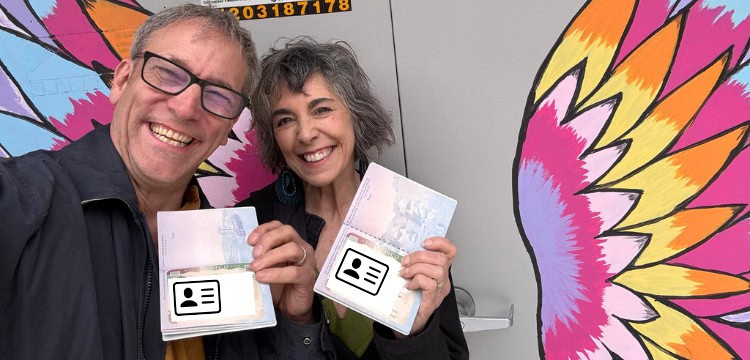
Just because someone in a Facebook group says, “This is how I did it,” does not mean that is how it will work for you.
Mexican Residency requirements can vary by consulate, and this process starts at a Mexican consulate, where details can differ from one office to another.
For example:
- Some consulates may ask for six months of financial statements.
- Others may ask for twelve.
- Most will not accept Cryptocurrencies.
- Some may not count real estate in Mexico.
- Some may treat employment income differently from retirement income, savings, pension income, or investment income.
- Some may not accept those who are self employed.
- For a temporary resident application that does not rely on a work visa, you usually need to show sufficient income or savings.
And even if the process looks simple on paper, that does not mean it will feel simple in real life. The same is true whether you are applying for temporary residency now or planning ahead for permanent residency later.
- You may need apostilled documents.
- Mexican immigration may require original documents from your home country, including birth certificates or marriage licenses, and some must be authenticated with an apostille before you leave.
- You may need official translations from a perito traductor in the municipality of Mexico where you intend to finish the Canje process.
- You may need to schedule enough time in Mexico for your canje or renewal. In some cases, the process can take up to 20 business days, and you may not be able to leave Mexico while it is pending.
Mexico is actively cracking down on perpetual tourists by issuing shorter stays upon arrival, so we recommend applying for a Mexican residency sooner than later if you even think living in Mexico is in your future.
Another big mistake is waiting too long to apply.
If you qualify today, that does not mean you will qualify next year. Financial requirements often increase, and the thresholds for Temporary and Permanent residencies rise almost every year. If you are still working and have a strong income, it may be smarter to apply before you retire, quit your job, or reduce your income.
A good rule to remember is this:
Don’t wait until you need residency. Apply while you qualify or while you’re still employed.
You also need to be careful about how you enter Mexico. If you are coming for your canje, it must be completed within 30 days after entry, and you should not rely on a tourist visa because Mexico is issuing shorter stays to perpetual tourists.
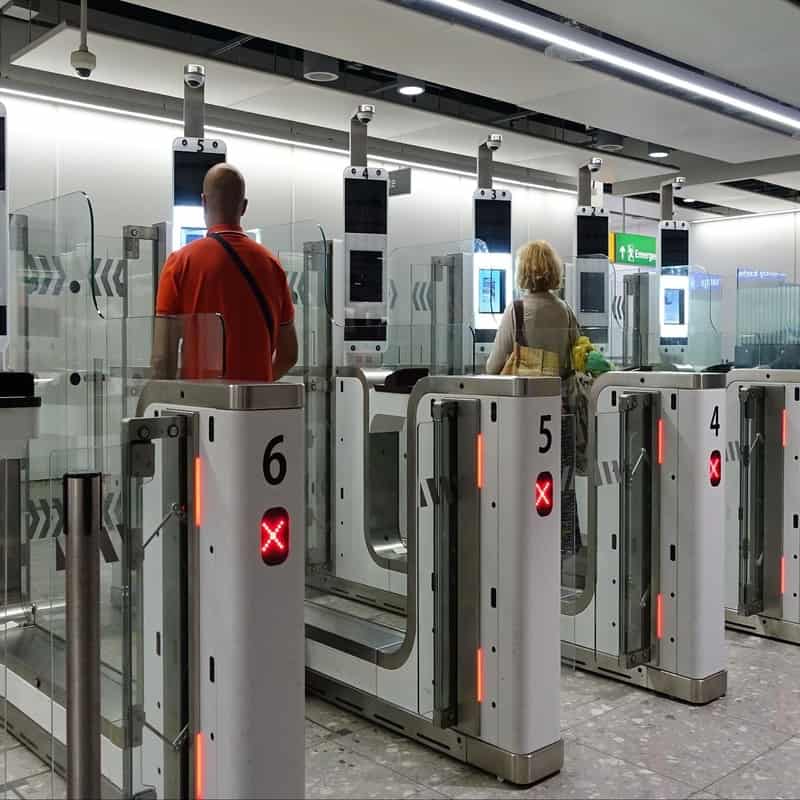
Do not use airport kiosks without knowing whether that is appropriate for your situation. If you are driving into Mexico for canje, you may need to stop at the border and get your FMM.
And please, do not assume immigration facilitators are expeditors. A good facilitator can guide you, help you prepare, review your documents, explain the process, and help you avoid mistakes. But they cannot force INM to move faster, skip requirements, or guarantee an outcome.
You should also avoid volunteering too much information at your consulate appointment.
Be honest, of course. But you do not need to overshare. For example, if you are applying based on your current employment income, casually saying, “I’m quitting my job as soon as I move,” can create unnecessary questions.
And do not say things like, “I’m moving because Mexico is cheap,” or “I’m tired of politics back home.” That does not help your case. You are asking for permission to live in another country. Be respectful, be prepared, and answer what is asked.
One more thing: do not forget to renew your temporary residency before it expires. Mexico uses the DD/MM/YYYY date format, which is different from the U.S. format. Misreading your expiration date can create a very stressful situation.
Picking a City Based on Vacation Feelings
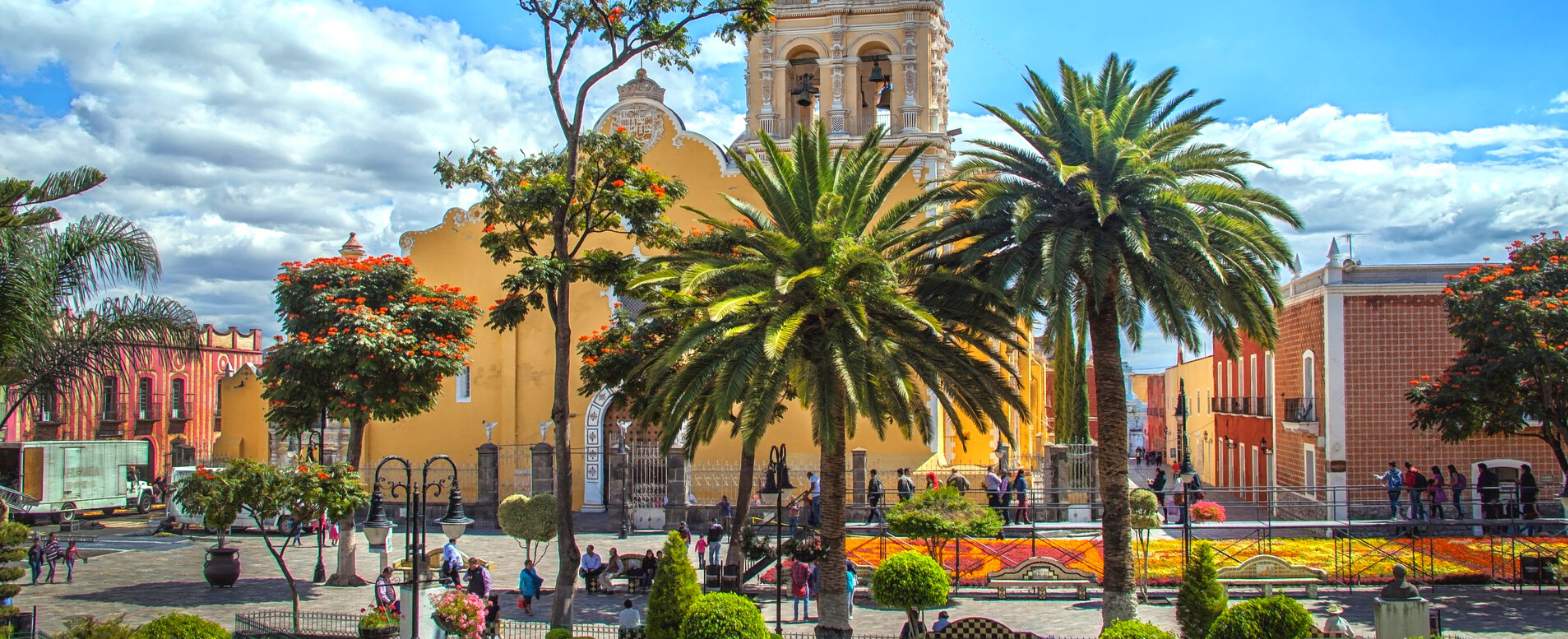
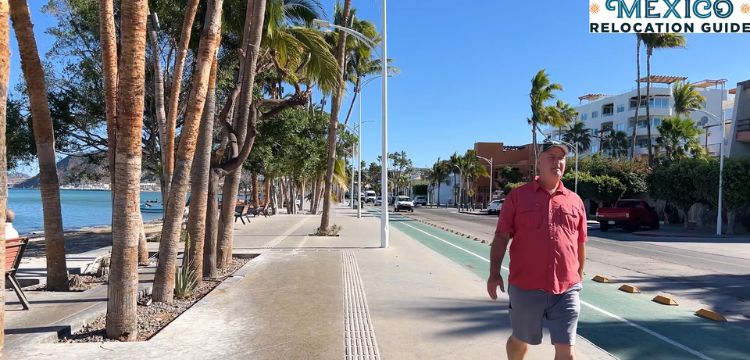
Loving a place on vacation is very different from living there full-time. Mexico is the 13th largest country in the world by area, so one place can feel completely different from another in climate, culture, and infrastructure.
You may love a beach town for ten days. But living there year-round may mean dealing with extreme humidity, mosquitoes, limited healthcare, higher grocery costs, fewer flights, or unreliable internet.
You may fall in love with a colonial city because it is charming and beautiful.
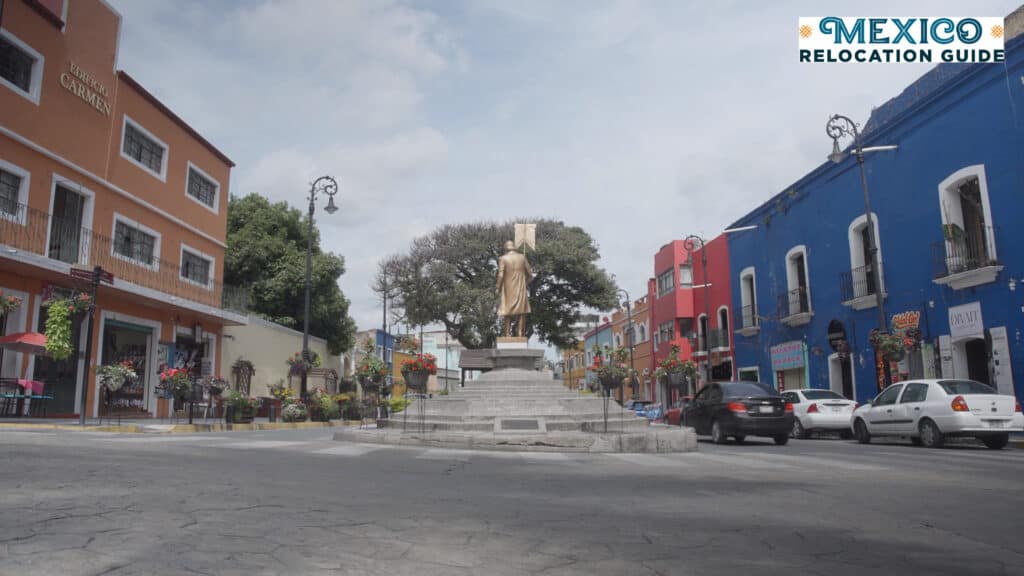
But many expats underestimate how different a new city can feel once daily routines replace vacation mode, especially if you are used to a faster pace and things move on a different timeline. Once you live there, you may realize the sidewalks are difficult, the traffic is loud, parking is a headache, or the weather is colder than you expected.
- What’s the cost of rentals on average?
- What is the cost of utilities?
- Can you get to a good doctor?
- Is there a hospital nearby?
- Do you need a car?
- Is the city walkable?
- Can you handle the climate year-round?
- Is the internet reliable enough for your work?
- Will you have access to the groceries, medications, and services you need?
- Is there a community where you can make friends?
Don’t choose the city you love as a tourist.
Choose the city where your daily life will actually work for your new home and help you avoid bad feelings later if the place does not match your real needs. Many expats underestimate the size of Mexico and the differences between cities, which can affect their lifestyle, amenities, and overall satisfaction with their new home.
Check out our ULTIMATE BEST PLACES TO LIVE IN MEXICO post.
Renting Before Seeing the Place in Person
I know I have said this before, but people keep doing it.
Renting an apartment or house in Mexico online before visiting can lead to unpleasant surprises, because pictures and descriptions often don’t accurately represent the property or its surroundings.
Photos can be very misleading. They do not show barking dogs, construction noise, poor water pressure, mold, humidity, bad smells, weak internet, uncomfortable mattresses, or how local neighborhoods can feel completely different at night.
I always recommend to book short-term rentals for your first few weeks in Mexico to explore neighborhoods and meet landlords before committing to a long-term rental. I always recommend doing a search on Airbnb or Booking.com
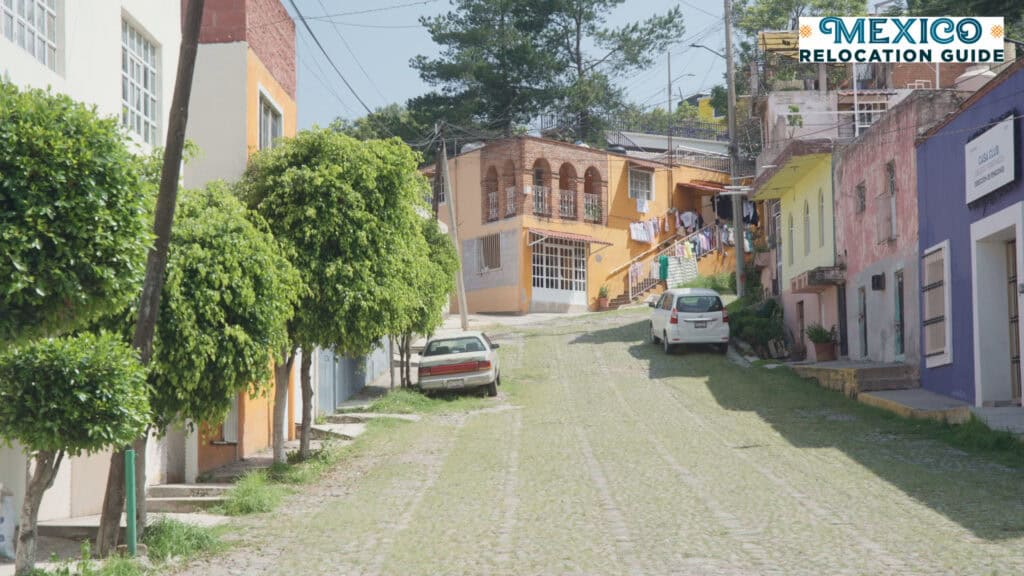
Give yourself time to get there, walk several neighborhoods at different hours, see rentals in person, and understand what daily life feels like. Short-term housing also lets you meet landlords in person and compare what most cities and larger cities offer in services and convenience before committing.
Before committing to a rental, ask for a video walkthrough, an internet speed test, a full inventory list, exact location or cross streets, lease terms, deposit terms, and clarification on utilities.
Not Understanding Mexican Furnished Rentals
A furnished rental in Mexico may not mean what you think it means.
In the U.S. or Canada, you may expect a furnished rental to be fully stocked and ready to live in comfortably. In Mexico, furnished can mean a bed, a couch, a table, and basic appliances. It may not include good cookware, towels, sheets, lamps, a comfortable mattress, a desk, cleaning supplies, or enough kitchen items for daily cooking.
Always ask what is included.
And even though a furnished house online can look nice, you may find the furniture to be uncomfortable or a bit misleading once you see it in person.
Here’s another practical tip people do not think about: do not bring your entire linen closet from the U.S. or Canada before you know the bed sizes in your Mexican rental. Sizes in Mexico are different.
You may see individual, matrimonial, queen, king, or even custom-sized mattresses. Your expensive sheets or duvet covers from back home may not fit.
Wait until you know what beds you actually have before buying or bringing too much.
Assuming Healthcare and Health Insurance Are the Same Everywhere in Mexico
Healthcare in Mexico can be excellent. But it is not the same everywhere.
Mexico has both public and private healthcare options, including programs like IMSS (Mexican Social Security Institute).
Access also varies by whether you rely on public care through social security hospitals through IMSS, or use private options. Many American expats opt for private health insurance in Mexico, which typically costs between 2,250-3,000+ USD per year for comprehensive coverage.
Your experience in Mexico City, Guadalajara, Mérida, Puerto Vallarta, San Miguel de Allende, or a small beach town can be completely different.
Before choosing a town, you need to think about your health needs.
Where is the nearest hospital? Is there an emergency room nearby? Are there specialists? Are there English-speaking doctors if you need them? Can you get lab work or imaging done locally? Is there ambulance service? Can you get your medications? What happens if you need surgery or other medical procedures?
A small town may be perfect if you are healthy and want a quiet lifestyle.
But if you have a chronic condition, need regular prescriptions, or want quick access to specialists, you need to choose carefully. Many American expats choose private health insurance for faster access and broader coverage, while some foreigners also enroll in IMSS, which costs roughly $350 to $1,250+ USD per year depending on age.
Asking Legal Advice in Facebook Groups
Facebook groups can be helpful for restaurant suggestions, neighborhood opinions, or finding out where to buy something.
But they are not where you should get legal, immigration, tax, real estate, or medical advice.
Some of the advice I see in Facebook groups is honestly shocking. People answer with confidence even when they are completely wrong. And then others follow that advice and wonder why they did not get the result they wanted.
Bad advice can cost you money, delay your residency, create legal problems, or cause you to hire the wrong person.
Use Facebook for casual tips. Use qualified professionals for serious decisions.
Not Having a Medication Plan
Do not wait until you have three pills left to find out whether your medication is available in Mexico.
Some medications are easy to find here. Others may have different names, different dosages, different availability, or may not be available at all.
Before you move, bring a transition supply. Know the generic name of every medication you take. Bring the dosage information. Visit a pharmacy in Mexico, such as Farmacias Guadalajara, and ask about equivalents if possible.
And for anything important, talk to a doctor in Mexico before making changes. We recommend researching and finding a local doctor through sites like Doctoralia.com.mx
This is especially important if you take medications for your heart, blood pressure, diabetes, mental health, thyroid, pain management, or any chronic condition.
Expecting Time and Communication to Work Like Back Home
Mexico works differently. And if you expect everything to operate exactly like the U.S. or Canada, or your home country or other countries, especially in government and service settings, you will be frustrated.
Professionals may not answer immediately. A repair person may say “ahorita” and not arrive when you expect. Government offices may close for holidays. Banks may be packed before long weekends. ATMs may run low on cash during busy periods. A business may close early before a holiday.
This is not always bad service. It is a different rhythm.
Learn the major Mexican holidays. Plan around long weekends. Do not leave important things until the last minute, especially banking, immigration paperwork, prescription refills, travel, and appointments.
Mexican bureaucracy can take extra effort, requiring official translations, apostilles, multiple visits, and patience.
Being impatient usually only affects you. It does not make the system move faster.
You can still have standards, but you need to learn how to communicate in a way that works here. Courtesy, patience, and respectful follow-up go a long way. It also helps to learn spanish in your first few months so you can speak spanish more easily in daily life and paperwork, because many people outside tourist-heavy areas may not speak english, and a steady effort with spanish will make the transition smoother.
Many expats underestimate the importance of learning Spanish before moving to Mexico, as daily life will largely be conducted in Spanish, even in areas with English-speaking locals.
Not Building an Emergency Plan or Local Community
This is especially important if you are single, retired, living alone, or do not have family in Mexico.
If something happens to you, who knows what to do?
Who has your emergency contacts? Who knows your doctor’s number? Who knows your insurance policy information? Who knows what hospital you prefer? Who can care for your pets? Who has a spare key? Who can contact your family back home?
You should create a simple emergency document with your medical information, insurance details, emergency contacts, doctor’s information, pet care instructions, and copies of important documents.
Then give that information to someone you trust locally, since a Mexican national neighbor, friend, or service provider can make emergencies and everyday settling-in much easier.
Independence is wonderful. But isolation is risky. Build your community before you need it, and remember that strong relationships with local residents matter just as much as meeting other foreigners.
Buying Real Estate Too Soon
Buying property in Mexico can be a great decision for the right person, in the right place, with the right guidance.
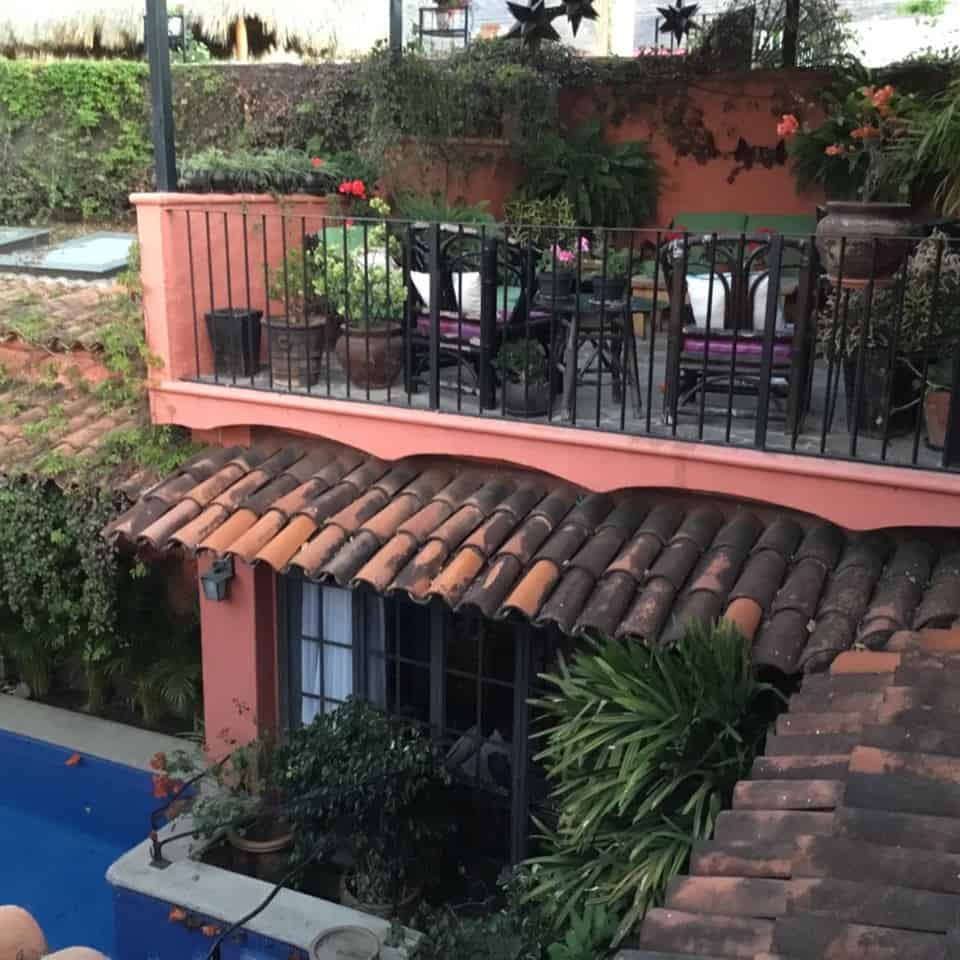
But buying too soon can be a very expensive mistake.
Do not buy property just because you had a great vacation or because someone told you renting is throwing money away. Renting first is research.
Before buying, you need to understand the neighborhood, noise levels, water access, construction quality, title, HOA rules, closing costs, fideicomiso requirements if applicable, the process and permits you need as a foreigner buying property in Mexico, resale potential, and inheritance planning.
You also need to understand the role of the Notario and work with qualified professionals. And a good rule of thumb is to ALWAYS choose your own Notario as opposed to going with the Notario the seller recommends.
A Mexican Notario Público is a high-level legal official responsible for handling deeds.
And please, do not deplete your assets buying a home before you secure residency. If your financial statements no longer show what you need, you could create problems for your residency application.
Not Checking the “Invisible” Basics Before Choosing a Home
A home can look beautiful in photos and still be uncomfortable to live in. But before renting or buying, check the things that affect daily life:
Water pressure
Hot water consistency
Internet speed
Backup internet options
Cell signal inside the home
Noise from dogs, roosters, traffic, bars, churches, construction, or schools
Mold or humidity
Natural light and airflow
Mosquitoes
Parking
Stairs, especially if you have mobility issues
Trash pickup
Tinaco or cistern
Gas tank or stationary gas
Electricity costs with A/C
Flooding during rainy season
Do not just ask, “Is it pretty?”
Ask, “Can I actually live comfortably here every day?”
Many expats recommend visiting potential rental properties in person to assess the neighborhood and property conditions, as this can help avoid issues like noise or safety concerns that may not be apparent online.
Many expats recommend visiting potential rental properties in person to assess the neighborhood and property conditions, as this can help avoid issues like noise or safety concerns that may not be apparent online.
You should also know that tap water in Mexico is not safe to drink unless the homeowner has installed a good water filtration system. And even then, you would have to know when the filters were cleaned and changed, so we recommend to budget for bottled water.
Get our Cheat Sheet to Real Estate Terms in Mexico
Not Building a Trusted Local Team
You do not need to figure out Mexico alone. But you do need to know who to call.
A good local team can include an immigration facilitator, real estate contact, doctor, dentist, insurance agent, attorney, Notario, accountant, relocation tour guide, mover, handyman, driver, veterinarian, and emergency contact.
The wrong contact can cost you time, money, and stress. The right contact can make your move much easier.
This is one of the reasons we created the Complete Mexico Relocation Guide. You get access to our directory of vetted contacts across Mexico, so you are not relying on random advice from strangers online.
Not Preparing for Emergencies Before They Happen
This is not fun to talk about, but it is important.
If you own property in Mexico, have a bank account, need access to a Mexican bank account, have pets, live alone, or plan to spend most of your time here, you need to think about what happens if you are hospitalized, incapacitated, or pass away.
Do you have a Mexican will? Does someone know your wishes? Does someone know where your documents are and who can access your account information in an emergency? Who can make decisions if you cannot? Who will care for your pets? Who can contact your family? Do you want cremation or burial?
Planning for emergencies does not mean you expect something bad to happen. It means you are being responsible so the people who care about you are not left scrambling.
Not Understanding How Mexican Bank Account Access Works in Mexico
Your money may be in the bank, but that does not help much if your card is blocked, the ATM is empty, and your landlord wants cash today. Something that may not seem like a big deal until you need to pay rent, repairs, or emergencies quickly.
Mexico is still more cash-based than many people expect. While cards are common in major cities, you still need cash for many everyday situations.
On average, monthly costs run about $2,000 USD for a single person and $3,000 USD or more for a couple.
You may need pesos for rent deposits, taxis, tips, markets, repairs, housekeepers, gardeners, small restaurants, bottled water, and emergencies.
Do not move with only one debit card. Have at least two debit cards from different banks, one or two credit cards, some emergency cash, and a plan for larger transfers so you can pay bills and keep reliable access to money even before opening local banking arrangements.
Also, understand ATM limits, foreign transaction fees, and bank security rules. Let your bank know you will be in Mexico if needed. Avoid random standalone ATMs in tourist areas. And do not wait until the last minute to withdraw cash, especially before holidays or long weekends. Eating local meals is a great way to enjoy great food and keep food costs lower, while imported items, electronics, and cars can cost more.
Final Thoughts
Moving to Mexico can be amazing. But it is not something you want to do blindly.
The people who have the smoothest moves are usually not the ones who “wing it.” They are the ones who prepare, ask better questions, hire the right professionals, visit first, and understand that Mexico is not the U.S. or Canada with better weather.
Mexico has its own systems, culture, pace, laws, and way of doing things. And when you respect that, your experience will be much better.
If this made you realize there is more to moving to Mexico than picking a pretty town and packing your bags, that is exactly why we created the Complete Mexico Relocation Guide.
Inside the guide, you get step-by-step guidance to help you understand residency, healthcare, housing, moving logistics, banking, insurance, real estate, pet relocation, and so much more.
You also get access to our directory of vetted contacts across Mexico, including immigration facilitators, real estate contacts, insurance agents, private relocation tour guides in over 60 cities, healthcare contacts, movers, and other professionals who can help you avoid expensive mistakes and move to Mexico the right way!
We have helped hundreds of thousands of people plan their move to Mexico the right way, with fewer surprises and fewer headaches.
You do not have to figure this out alone. With the right information and the right contacts, your move to Mexico can be much smoother, safer, and less stressful.