 Contact
  Account


If you are researching the safest cities to live in Mexico, the first thing to know is this: Mexico isn’t a one size fits all when it comes to safety. It is a diverse country with major cities, beach towns, colonial villages, modern suburbs, and quiet retirement communities where foreigners live normal, comfortable lives every day. Regardless of where in Mexico they live.
But for the sake of this quick blog post, and because I get asked this question all the time, I want to give you a list of 8 cities that many expats have told me they feel very safe living in.
Quick Answer: The Safest Cities in Mexico for Long-Term Expats
The 8 places we are focusing on are Mérida, Puerto Vallarta, La Paz, Playa del Carmen, Querétaro, Ajijic & Lake Chapala area, San Miguel de Allende, and Mazatlan.
These are not the only safe cities in Mexico, and this list does not mean other cities are unsafe. Quite the opposite: most of Mexico is actually safe to live in long term when you choose the right location, understand local conditions, and use common sense.
I want to make sure I also add that “safe” means you can go about daily life comfortably, walk in many areas during the day, access healthcare and services, join established expat communities, and live among locals and foreigners who have chosen to stay long-term. It does not mean “nothing ever happens.” You still need local awareness, realistic expectations, and the ability to stay alert pay attention. Basically don’t leave your brains at the border.
My commitment to you with the COMPLETE Mexico Relocation Guide is to give you not only details about moving to one of these cities but also give you access to vetted contacts in each of these cities who can help with residency visas, renting or buying properties, moving household goods and pets, private relocation tours, healthcare insurance experts, and more.
Is Mexico Safe to Live In? Beyond the Headlines
Mexico has a reputation for higher crime rates, but many areas are safe if the right locations are chosen, as certain regions are safer than others.
International headlines often focus on organized crime, drug cartels, criminal groups, and isolated acts of serious crime, but millions of Mexicans and more than 1.2 million foreign-born residents live stable lives here; more than 65% of those foreign-born residents come from North America.
Mexico also receives tens of millions of international visitors each year, and most visits and long-term stays are trouble-free. According to Mexico’s tourism authorities INEGI, the country regularly welcomes 38+ million international visitors annually, which supports why local economy and tourism safety matter so much in popular cities.
HOWEVER…There is no single “safest city” that is perfect for everyone.
Some neighborhoods in Mexico City, such as Roma, Condesa, Coyoacán, Del Valle and parts of the historic center, can feel very livable, while other areas require more caution. The same is true across many Mexican cities. Even the ones that are considered the safest cities to live in, have unsafe neighborhoods.
“Mexico safe” does not mean risk-free.
Unique safety concerns in Mexico include the presence of drug cartels, with incidents of carjackings, kidnappings, and robberies reported in various regions. But those risks are highly localized and can usually be managed by choosing better neighborhoods, listening to local news, using common sense, and avoiding known trouble spots.
What We Mean by “Safe” (and How We Chose These Cities)
We chose these safest cities in Mexico based on a mix of public data and on-the-ground experience: INEGI public safety perception surveys, homicide and violent crime trends, perceived safety, established international communities, healthcare access, transportation links, and long-term feedback from clients and relocation tour guides.
Safety in these cities is driven by geographical isolation from cartel transit routes, heavy infrastructure investments, community-centric policing, and established international communities.
Local authorities prioritize safety due to the dependency of local economies on foreign investments and tourism. Municipalities invest heavily in law enforcement presence, infrastructure, and monitoring systems in neighborhoods and central areas.
Many cities in Mexico have dedicated tourist police and public safety systems, which help ensure a safer environment for both residents and visitors.
Coastal zones deploy dedicated, multilingual tourist police officers tasked with protecting neighborhoods, beaches, and commercial zones.
Cities with large expat communities also usually have bilingual civic resources and emergency services, while a tightly knit international community in safe cities leads to robust neighborhood watch programs and civic pride.
We also look at practical living and infrastructure such as hospitals, internet, airports, road access, rentals, local contacts, and whether expats actually stay.
So while this list isn’t in any particular order, these are some of the most popular cities to live in Mexico where expats feel very safe.
1. Mérida, Yucatán: Often Ranked Among the Safest Cities in Mexico
Mérida is widely recognized as the safest city in Mexico, with over 70% of residents reporting they feel safe walking alone in their neighborhoods, according to public safety surveys such as INEGI’s ENSU. Low levels of violent crime and localized neighborhood policing make Mérida safer than many major U.S. cities.
The city benefits from its distance from northern border drug smuggling routes and volatile regional bottlenecks. That geography, combined with family-oriented culture and strong local governance, helps make Mérida one of mexico’s safest cities.
Daily life here includes a walkable historic center, colonial architecture, colorful markets, good private clinics, and easy access to nearby beaches, Chichén Itzá, and Uxmal. It also has all the modern comforts many retirees and digital nomads want, including reliable internet, malls, restaurants, and medical services.
The trade-off is climate. Mérida is hot and humid for much of the year, so air conditioning is not optional for most foreigners.
Our COMPLETE Mexico Relocation Guide has vetted immigration facilitators, rental agents, real estate experts, healthcare brokers, moving companies and relocation tour guides in Mérida.
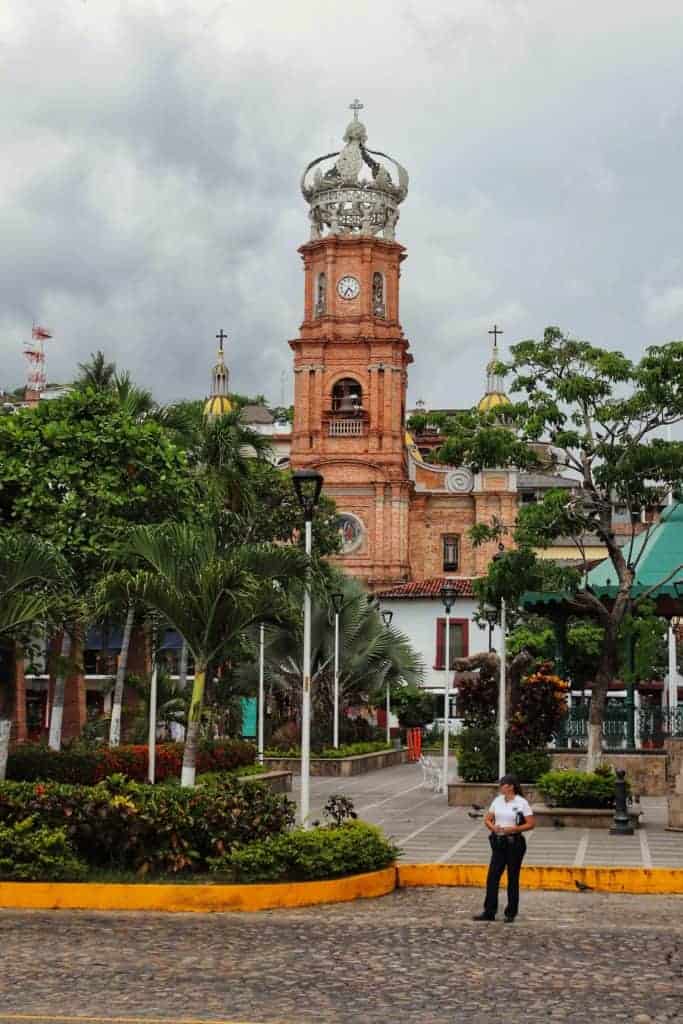
2. Puerto Vallarta, Jalisco: Safe Pacific Coast Living With A Big Expat Community
Puerto Vallarta aka PV is known as one of the safest beach towns in Mexico, with low levels of incidents affecting foreign nationals and a welcoming community of over 15,000 expats. It sits on Mexico’s western coast and has long been one of the favorite cities for foreigners who want ocean views, great restaurants, and all the conveniences of a mature resort city.
Popular long-term areas include the Romantic Zone (Zona Romantica), Versalles, Marina Vallarta, and Nuevo Vallarta (or Nuevo Nayarit) across the river in Nayarit.
The malecón, tourist zones, and residential neighborhoods tend to have visible police presence, though petty crime can occur in crowded tourist areas.
Living in Puerto Vallarta can be perceived as expensive due to the high number of expats, but it offers a range of affordable housing options compared to larger cities. You can still find a one bedroom apartment at a lower cost than in many U.S. or Canadian coastal markets, especially if you look beyond the most tourist-heavy neighborhoods.
Use rideshare or regulated taxis at night, avoid heavy drinking in unfamiliar areas, and do not buy drugs- and you’ll be 99% ahead of any crime of opportunity. When comparing regional data, people sometimes search for the Jalisco safety index, Nayarit safety index, crime index, or safety index.
But neighborhood-level advice is far more useful than a single number. And the only real way to get a feel for that is to visit the city yourself.
Our COMPLETE Mexico Relocation Guide has vetted immigration facilitators, rental agents, real estate experts, healthcare brokers, moving companies,relocation tour guides and more in Puerto Vallarta, Nuevo Vallarta, and beyond.
3. La Paz, Baja California Sur: Calm, Low-Key City on the Sea of Cortez
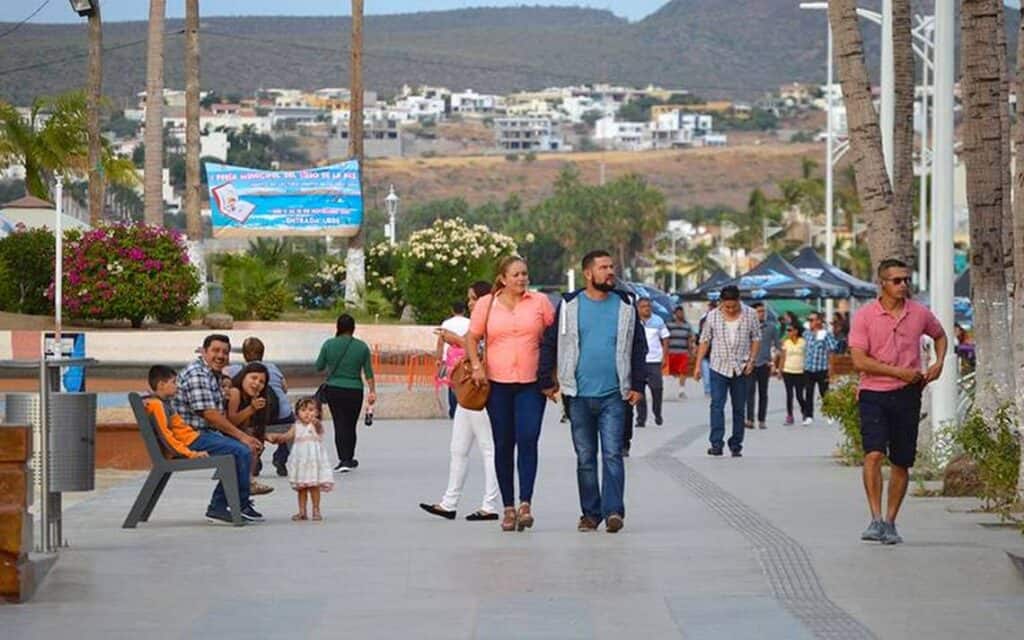
La Paz is a calm capital city in Baja California Sur with a bayfront malecón, strong natural beauty, and a slower pace than Los Cabos for a lower cost..
It appeals to retirees, young families, nature lovers, and anyone who wants coastal living without the constant resort energy.
Safety strengths include relatively low violent crime compared with many large cities in Mexico, peaceful residential areas, and a family-oriented local culture. Nearby beaches like Balandra and Tecolote are among the most beautiful in the country, and daily life often revolves around kayaking, walking, boating, and marine life.
La Paz has a regional airport with connections to Mexico City and Tijuana. And it has good roads to Todos Santos and Cabo, and access to hospitals and clinics. Los Cabos maintains tight control over entry points and is supported by private-public security coalitions, which also shows how seriously Baja California Sur treats tourism security.
The trade-offs are fewer cultural events than bigger cities like Oaxaca, Puebla, or Mexico City. And also a bit more limited public transit in some areas, and hot summers.
Our COMPLETE Mexico Relocation Guide has vetted immigration facilitators, rental agents, real estate experts, healthcare brokers, moving companies and relocation tour guides in La Paz, Los Cabos and across Mexico.
4. Playa del Carmen, Quintana Roo: Caribbean Hub for Digital Nomads and Young Families
Playa del Carmen is a fast-growing Caribbean hub for digital nomads, remote workers, and young families. It offers walkable beach access, coworking spaces, international schools, nearby cenotes, and easy access to Cancún Airport, Cozumel, Tulum, and ruins.
Safety is completely neighborhood-dependent.
Central areas near Quinta Avenida, Playacar, and established residential zones are generally comfortable for daily life, while late-night nightlife streets, unlit beach areas, and some outlying zones require caution.
This is one of the popular cities where tourism investment supports infrastructure and public safety. Local economies thrive due to heavy tourism investment, which decreases poverty-related petty crime in many established commercial zones.
Still, Playa del Carmen is not a place to be careless. High touristic areas such as PDC are well known for scammers that are preying on distrtacted tourists to steal their purses, wallets, or other personal belongings. Pick poocketing is common, so always be aware of your surroundings.
Our COMPLETE Mexico Relocation Guide has vetted immigration facilitators, rental agents, real estate experts, healthcare brokers, moving companies and relocation tour guides in Playa del Carmen, Cancun, and all across the Riviera Maya.
5. Querétaro, Querétaro: Organized, Family-Friendly Interior City
Querétaro is ranked among the top five safest cities in Mexico, with lower rates of reported violence and a strong public security presence, according to national surveys. It is a strategic location in the central region, known for orderly streets, clean public spaces, modern suburbs, and consistent public investment.
The city appeals to families, professionals, and retirees who want a colonial historic downtown plus malls, supermarkets, private schools, hospitals, and toll roads to other major cities.
It has a strong middle-class base and has attracted people leaving Mexico City after earthquakes, congestion, or cost increases.
Querétaro’s historic center is a Unesco world heritage site, with plazas, cafes, churches, and cultural attractions. Nearby vineyards, Peña de Bernal, and nature areas make weekend travel easy.
It’s also only an hour away to San Miguel de Allende– also one of Mexico’s most popular destinations for foreigners to live in.
For safety research, some people compare the guanajuato safety index, Querétaro surveys, and nearby state data. But again, the best decision comes from visiting neighborhoods in person.
our COMPLETE Mexico Relocation Guide has vetted immigration facilitators, bilingual realtors, and relocation tour providers who help clients compare areas and help you with a variety of legal matters such as Mexican Residency Visas, obtaining an RFC, health insurance, moving pets and household goods, and more!
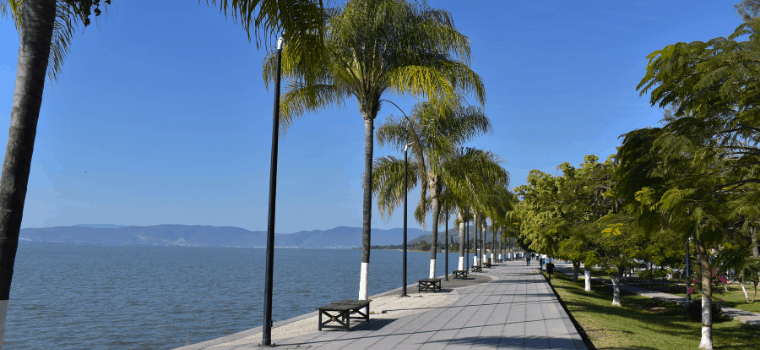
6. Ajijic & Lake Chapala Area, Jalisco: Lakeside Haven for Retirees
Lake Chapala is Mexico’s largest lake, and Ajijic is the best-known expat town along its northern shore. The Ajijic and Lake Chapala area includes Chapala, San Antonio Tlayacapan, Riberas del Pilar, and nearby villages with a strong U.S. and Canadian retiree presence.
This area has a small town feel, mild weather, cobblestone streets, clubs, volunteer groups, and plazas where daily life feels social and familiar. Many retirees appreciate that neighbors know each other, English is widely available in expat services, and Guadalajara’s major hospitals are about an hour away.
Most safety issues involve petty crime, break-ins, or theft rather than violent crime. Main streets and plazas have local police presence, and the expat network helps newcomers learn which areas are best for long-term rentals or buying.
The trade-offs are rising rents, less anonymity, and fewer big-city cultural events than Guadalajara or Mexico City. Mexico Relocation Guide has numerous vetted contacts around Lake Chapala for residency, rentals, home purchases, healthcare navigation, and retiree-focused tours.
7. San Miguel de Allende, Guanajuato: Cultural Capital With a Long-Term Expat Base
San Miguel de Allende, aka SMA, is a UNESCO-listed colonial city known for colonial charm, art galleries, language schools, live music, festivals, and a vibrant arts scene. San Miguel de Allende is estimated to host between 8,000 and 12,000 foreign residents and is known for its strong public safety efforts and community involvement.
The city center and main expat neighborhoods are generally comfortable during the day and early evening. Most safety concerns involve petty theft, late-night alcohol-related incidents, or housing scams targeting newcomers.
The lifestyle is the draw: cultural richness, restaurants, workshops, galleries, and year-round cultural events.
Many expats find a strong sense of community in Mexico, with opportunities to engage in cultural events, volunteer groups, and local activities that foster connections with both locals and other foreigners. Cities like San Miguel de Allende and Puerto Vallarta are popular among expats for their vibrant communities and cultural offerings, making them ideal places to settle.
The challenge is affordability. San Miguel is no longer a hidden bargain, and long-term rentals near the core can be competitive- especially during high season. But if you stay in neighborhoods adjacent to popular neighborhoods, you can still easily find bargains in long term rentals and homes for sale in San Miguel de Allende.
Our COMPLETE Mexico Relocation Guide has vetted immigration facilitators, rental agents, real estate experts, healthcare brokers, moving companies and relocation tour guides in San Miguel de Allende, Queretaro and other parts of Mexico.
8. Mazatlán, Sinaloa: Historic Pacific Coast City With a Growing Expat Scene
Mazatlan is a pacific coast port city with long beaches, a revitalized historic center, cruise tourism, and a growing snowbird scene. It offers historic downtown living, condos along the malecón, seafood culture, baseball, fishing, and a lower cost than many other coastal safest cities.
The elephant in the room is Sinaloa’s reputation. Safety varies widely within a state, and Mazatlán’s tourist areas, malecón, and established residential zones are typically much safer than state-level headlines suggest.
Daytime life in the historic center, Golden Zone, and waterfront areas is generally comfortable. Most issues involve petty crime, alcohol-related incidents, or being in the wrong place late at night. Follow local advice and avoid certain outlying neighborhoods.
Mexico Relocation Guide works only with thoroughly vetted professionals in Mazatlán and across Mexico. We help you connect with vetted professionals and private relocation tours that show popular expat areas and more local neighborhoods so you can assess safety for yourself. Our COMPLETE Mexico Relocation Guide gives you access to this and more.
Mexico City, Oaxaca City, and Other Safe Cities Not on This List
I want to make sure I make something clear… These 8 are not the only safe cities to live in Mexico.
Other cities can work extremely well depending on your lifestyle, including Mexico City, Guadalajara, Oaxaca, Ensenada, Los Cabos, San Pedro Garza García, Puebla, Huatulco, Cancun, and even a surf town or smaller beach community if you know the right neighborhoods.
Ensenada is recognized for its safety and has developed a large community of American expats, benefiting from its proximity to the U.S. and a vibrant local culture near the us border. San Pedro Garza García invests heavily in extensive facial-recognition camera grids, local command centers, and localized boundary checkpoints.
The average cost of living in Mexico is significantly lower than in many parts of the U.S., Canada and other westernized countries. Making it an attractive destination for expats.
And if you never work with the cartels, you will never see their activity or have anything to worry about when it comes to your personal safety. The cartel problems happen with people they target directly. Such as people who launder their money, rival gangs, internal gangs that go rogue, politicians that didn’t comply, and the like. I’m not saying this is great, but it’s the reality.
99% of expats living in Mexico HAVE NOTHING TO WORRY ABOUT- YOU ARE NOT THEIR TARGET.
But alas, the point of this blog post is not to chase a mythical perfect city. It is to compare other cities realistically, visit Mexico to form your own opinion, and choose the place that fits your budget, health needs, climate preferences, and comfort level.
No one can experience a city for you. Only you can decide how a place feels to you.
Common-Sense Safety Tips for Living in Mexico Long-Term
Even in the safest cities, use the same judgment you would use in any large city or tourist destination.
Here are a few habits we recommend:
- Rent first for 6-12 months before buying.
- Visit neighborhoods at different times of day and week.
- Ask neighbors, shop owners, and local contacts about current conditions.
- Keep valuables out of sight and be aware of surroundings. Don’t hang backpacks and purses behind you.
- Avoid walking alone on poorly lit streets late at night. Especially if you are under the influence.
- Use regulated taxis or rideshare apps instead of hailing random taxis.
- Save 911 and the nearest hospital or clinic in your phone.
- Learn basic Spanish so you can communicate with neighbors, police, doctors, and service providers in case of an emergency.
Pro Tips- Using toll roads is advisable when traveling by car in Mexico, as carjackings are much less likely to occur on these roads compared to free roads. Toll roads are clearly marked with the letter D after their highway number. Also avoid driving long distances at night when possible because of poor lighting on roads.
For immigration planning, Mexico’s residency visa process is considered simpler than in many countries, making it an attractive option for expats. Foreigners can apply for a temporary residency visa in Mexico, which is typically valid for one year and can be renewed for up to four years. After four years of temporary residency, individuals can apply for permanent residency in Mexico, allowing them to live and work in the country indefinitely.
How Mexico Relocation Guide Helps You Choose Your Safest City in Mexico
Hola! My name is Mariana Lange, owner of Mexico Relocation Guide®. I have been helping foreigners from the U.S., Canada, and beyond move with accurate, updated, on-the-ground information instead of relying on rumors, outdated posts, or scary headlines- since 2019.
The Complete Mexico Relocation Guide covers residency visas, cost of living, renting versus buying, banking, moving pets and household goods, healthcare, insurance, and everyday life logistics. Our vetted directory includes immigration facilitators, realtors, rental agents, movers, healthcare insurance brokers, and relocation tour guides in the 8 featured cities and many others. And word of caution, be careful with online vultures claiming to be us.. there is only one authentic COMPLETE Mexico Relocation Guide®.
Private relocation tours are one of the best ways to evaluate safety in real life.
In Mérida, Puerto Vallarta, La Paz, Playa del Carmen, Querétaro, Ajijic/Lake Chapala, San Miguel de Allende and Mazatlán, tours can show you neighborhoods, markets, hospitals, grocery stores, and local services through a practical safety lens.
We also offer relocation tours in 60+ cities across Mexico!
If you want help choosing among the safest cities to live in mexico, start with the Complete Mexico Relocation Guide, join our community, and use our vetted contacts to narrow your search with confidence.