 Contact
  Account


Imagine waking up to the sound of waves rolling onto a palm-lined shore, grabbing a smoothie from a family-run stand, then slipping off your sandals to stroll the cobblestone streets in bare feet.
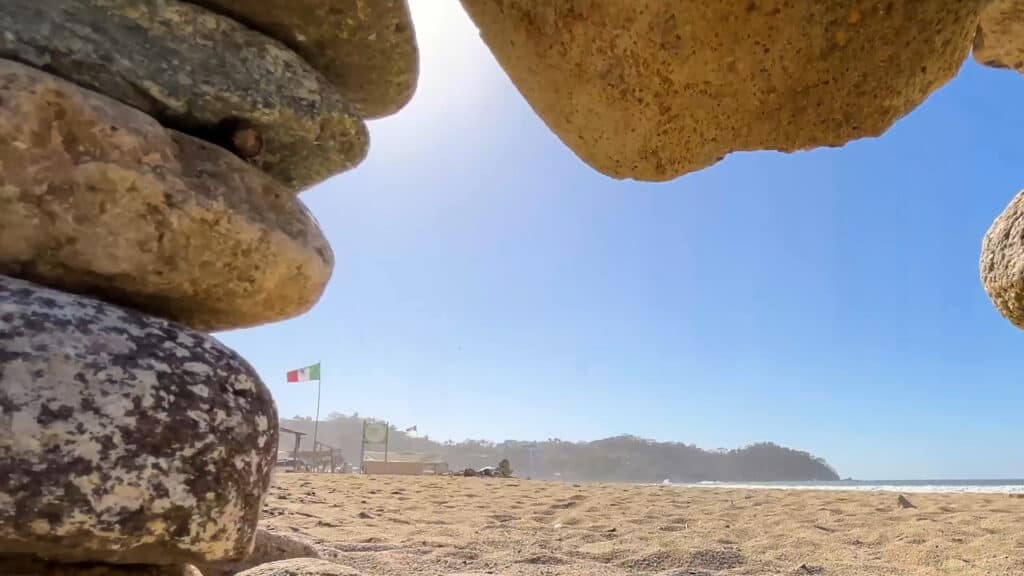
That’s a normal morning in Sayulita. be sure to watch our full Sayulita video for even more sights and stories.

Sayulita town is a colorful seaside surfer town on Mexico’s Pacific coast, located 36 km north of Puerto Vallarta in the state of Nayarit. Designated a Pueblo Mágico by the Mexican government in 2015, this little town on the Riviera Nayarit has evolved from a quiet fishing village into one of Mexico’s most internationally recognized surf and bohemian destinations-drawing digital nomads, retirees, families, and solo travelers from around the world.
If you’re wondering whether Sayulita is a good place to live, retire, or spend an extended stay, the short answer is: it’s a great lifestyle if you like a lively surf town with a strong expat community and can handle crowds, noise, steep hills, and higher prices than inland Mexican cities. Sayulita combines traditional Mexican charm with a laid-back surf culture that few other towns in this vibrant country can match.
This guide goes far beyond a short vacation overview. It focuses on what it actually takes to relocate to or live long-term in Sayulita Mexico-covering visas, realistic cost of living, neighborhoods, healthcare, safety, and everyday logistics. Whether you’re planning your first trip to scout the area or you’re months away from a move, this article is designed to give you the practical foundation you need.
Here’s what you’ll learn:
- The best areas and neighborhoods of Sayulita town for different lifestyles and budgets
- Realistic monthly budgets for singles, couples, and families (2025–2026 data)
- How to get Mexican residency and navigate healthcare in the Puerto Vallarta region
- Day-to-day practicalities: groceries, internet, remote work, schools, and community
- Common challenges expats face in Sayulita and how to handle them before they become costly mistakes
Understanding Sayulita Town
Sayulita is both a federally designated magical town (pueblo magico) and a rapidly growing international destination, and that combination creates a unique dynamic for expats. On one hand, you get improved infrastructure, beach cleanliness oversight, and government-backed tourism promotion. On the other, you get the energy, crowds, and price pressures of a town that’s firmly on the global traveler map.
Compared to nearby San Pancho-its quieter, more artsy neighbor to the north-Sayulita is louder, more social, and more commercially developed. Compared to Puerto Vallarta, it’s dramatically smaller (roughly 3,400 permanent residents versus PV’s 300,000+), more walkable, and more intimate. The expat presence in Sayulita is significant relative to its size, giving newcomers an unusually easy entry point into community life.
Location, History & Pueblo Mágico Status
Sayulita Nayarit Mexico sits in the Bahía de Banderas municipality along Mexico’s Pacific coast. The town is approximately 40 km north of Puerto Vallarta airport (PVR), with a driving time of roughly 45–60 minutes depending on traffic. It’s well-positioned within the Riviera Nayarit corridor, making day trips to Punta Mita, Bucerías, and other coastal towns straightforward.
The area’s history stretches back centuries. Indigenous coastal groups, including the ancestors of the local Wixárika (Huichol) people, inhabited the region long before Spanish contact, trading in dye snails, pearls, and shells. The local Wixárika (Huichol) people have a deep cultural heritage in the area that remains visible today through Huichol art sold at artisan markets throughout town. For most of the 20th century, Sayulita was a farming and fishing village-coconut oil production was once a key part of the economy, and the surrounding land was held by the large Hacienda de Jaltemba before agrarian reforms created ejido communal land holdings. The name “Sayulita” itself dates to around 1920, assigned by Lauro González Guerra in reference to his birthplace of Sayula, Jalisco.
Everything changed in 1965 when the La Varas–Vallarta highway was built, opening access to outside visitors. Surf culture arrived in the 1960s, and foreign visitors began trickling in. By the 2000s, that trickle was a steady stream. On September 25, 2015, Sayulita received its official Pueblo Mágico designation from the Mexican government. In practice, this has meant improved plazas and market areas, paved streets and sidewalks, regulated signage, stronger beach cleanliness oversight, and increased federal and state tourism promotion. For residents, it also means certain regulations on businesses and environmental operations that help maintain the town’s unique charm.
This layered history-indigenous roots, fishing village past, surf culture boom, and government-backed magical town status-is exactly why Sayulita today feels both deeply traditional and highly international to newcomers.
Vibe, Lifestyle & Who Sayulita Town Is For
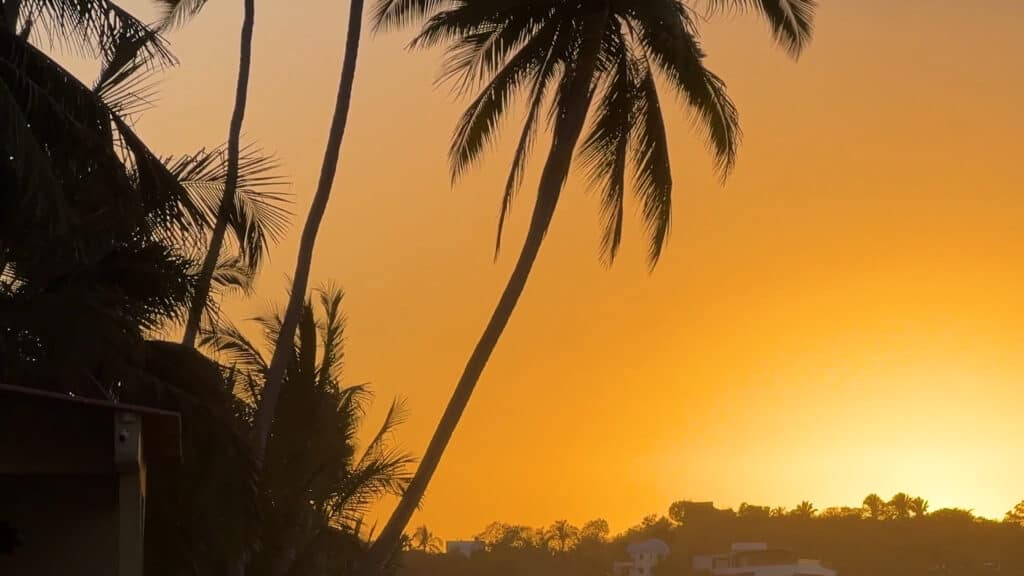
The everyday atmosphere in Sayulita is vibrant and eclectic. Picture colorful streets lined with surf shops, artisan boutiques, and small cafés; yoga classes available daily at multiple studios; live music drifting from beachfront restaurants at sunset; street food vendors selling tacos and fresh ceviche; and surfers padding barefoot through the town center toward the main beach. The main plaza in Sayulita serves as a social hub for locals and visitors alike, and the area features a vibrant arts scene with local galleries and street art adorning walls throughout the neighborhoods.
Seasonality shapes everything. High season runs from December to April, with temperatures ranging from 75–85°F, minimal rain, and large numbers of visitors filling the stunning beaches, restaurants, and bars. This is when Sayulita is at its most energetic-and most crowded. The shoulder months of May and November offer a calmer transition. The summer months from June to October bring high humidity, lush jungle growth, lower tourist numbers, and a more local rhythm. Rain is minimal from mid-November to mid-June, making dry season the dominant draw.
The resident profile is genuinely mixed: local Mexican families, seasonal and year-round expats from the US, Canada, and Europe, surf nomads, digital remote workers, and retirees. Sayulita retains an authentic village feel despite its popularity, and that balance between local life and international energy is central to its appeal. The vibrant atmosphere of Sayulita draws many artists and expatriates, creating a diverse mix of travelers and longer-term residents.
Who thrives here? People who enjoy an active social life, walking everywhere, being immersed in nature and surf culture, and who are comfortable with some noise and infrastructural quirks. Who may prefer somewhere else? Those seeking quiet, flat terrain, highly reliable services, and easy driving might be happier in San Pancho, Lo de Marcos, or an inland city.
With the vibe established, the real question becomes whether the practical realities-housing, cost of living, and daily services-support a sustainable long-term life here.
Living in Sayulita Town: Housing, Areas & Cost of Living
Cost of living in a nutshell
(Examples in USD)
- Rent
- Small loft with an ocean peek: $1,000 – $1,200 / month
- Two-bedroom near the plaza: $1,500 – $2,500 / month
- Hilltop villa with a view & pool: $2,500 + / month
- You may find cheaper rentals than this during the low season and/or further away from any beaches or the main city.
- Utilities (every two-month billing cycle)
- Electricity: $40 – $175 (solar panels help)
- Water service: $15 – $25
- Propane refill: $20 – $30
- Internet
- Telmex, Izzi, TotalPlay, or Starlink: $25 – $75 / month depending on speed
- Groceries & dining
- Fresh produce for two at the market: $20 – $30 / week
- Street-taco dinner: $3 – $5
- Sit-down seafood plate: $12 – $18
- Transportation
- In-town taxi: $6
- Regional bus: $1 – $3
- Healthcare
- Basic clinic visit: $30 – $50
- 24/7 emergency checkup at St. Luke’s: ≈ $75
With all of this in mind, we think it is very possible for a couple to live a very comfortable life in Sayulita on $2,500-$3k USD a month
Loving Sayulita as a visitor and making it work as a home for three months, a year, or indefinitely are different propositions. This section covers where most expats actually live, what realistic rents look like, and how to budget without burning through savings at vacation speed.
Neighborhoods & Micro-Areas of Sayulita Town
Centro / Downtown (“El Centro”) surrounds the Plaza Principal and Sayulita beach. This is the most walkable area, with everything-restaurants, shops, the main beach, and nightlife-within a few minutes on foot. The trade-off is noise: bars, live music, and festival activity make nights lively, especially in high season. Housing here consists mainly of small condos, casitas, and studios, all at a premium for their proximity. Terrain is relatively flat near the plaza and beach but rises sharply just a block or two inland.
The north end includes areas uphill from Centro toward the jungly hills above the Sayulita River. You’ll find luxury homes and villas with sweeping ocean views here. Terrain is steep-cobblestone roads climb sharply, making walking challenging but rewarding with dramatic vistas. It’s quieter at night, well away from bar noise, but most residents need a golf cart or vehicle to reach the town center comfortably.
The south end, near Playa de los Muertos, offers a more relaxed beach vibe with its own cluster of restaurants and lodgings. The town features several secluded beaches ideal for swimming and relaxation in this direction. Noise is moderate near the shore and drops off quickly as you move south. Access involves small paths and some steep slopes. Housing includes beachfront houses, villas, and condos-many with strong rental demand from visitors.
Hillside jungle areas beyond both ends offer the most remote living experience. Homes here are designed to maximize views and privacy, but come with logistical challenges: roads can be rough, water pressure may be weak, and you’ll almost certainly need a vehicle or frequent golf cart use. These areas appeal to those who prioritize natural beauty and solitude over convenience.
Many expats avoid full car ownership in Sayulita proper because streets are narrow and parking is limited. Golf carts and scooters are common alternatives. Walking is practical in Centro, but hillside living demands motorized transport.
Quick match to priorities: If nightlife and maximum convenience matter most, Centro is the best location. For views and quieter nights, look at the north end hillside. For beach access with moderate bustle, the south end works well. For the lowest-cost, no-view housing, look further uphill or inland.
Renting & Buying Property in Sayulita Town
The rental market in Sayulita is tight and highly seasonal. High-season demand from tourists and short-term visitors pushes up rates dramatically from December through April-if you want housing during Christmas, New Year’s, or Semana Santa, book months in advance. Long-term rentals (6–12 months) offer much better monthly rates but limited supply, especially near the beach or with ocean views.
As of mid-2026 data, median apartment rents in Sayulita have decreased approximately 17% since April 2025, with 37 active apartment listings showing a median size of 105 m² and a median price around MXN 8,380 per month. Here are ballpark monthly rent ranges for long-term furnished rentals:
- Studios / 1-bedroom near beach or Centro: US$900–US$1,500+ per month
- 1-bedroom further from beach (10–15 minute walk or uphill): US$500–US$900
- Larger 2-bedrooms in desirable areas: US$1,800–US$3,000+ depending on amenities and views
Rentals are typically found through Facebook groups, local agencies, walking the town and spotting signs, or through vetted contacts like those provided by Mexico Relocation Guide. Common issues to check before signing: noise levels (visit at night), Wi-Fi reliability, AC condition, and nearby construction.
Buying property is possible but comes with important caveats. Coastal properties near Sayulita require a fideicomiso (bank trust) for foreigners purchasing within the restricted zone near the coastline. Ejido land-communal land common in rural coastal Mexico-can complicate title verification. Prices per square meter vary enormously depending on ocean views, slope, and proximity to the shore. Inventory for premium ocean-view villas is limited, and many expats choose to lease rather than buy during their first years.
Using trusted, bilingual real estate professionals and closing attorneys is essential. Mexico Relocation Guide connects buyers and renters to vetted experts across the Riviera Nayarit region.
Cost of Living in Sayulita Town
Sayulita is significantly more expensive than many inland Mexican towns. Rent, imported goods, and beachfront dining can approach mid-sized US city levels in premium areas. But savings remain real on local services, labor, fresh produce, and healthcare compared to life north of the border. Understanding where money goes-and where it leaks-is key to making Sayulita sustainable.
Here are sample monthly budgets based on 2025–2026 data:
- Budget single person (modest studio inland or uphill, cooking at home mostly, limited eating out and entertainment): approximately US$1,100–US$1,400 per month. LivingCost.org estimates a single person’s total cost including rent at roughly US$1,211/month.
- Mid-range retired couple (1–2 bedroom rental near Centro or beach, regular dining out, private medical visits, moderate entertainment): US$1,800–US$3,100+ per month depending on lifestyle. For detailed comparisons, see cost of living data for Mexican beach towns.
- Family with children (larger 2–3 bedroom rental or house, schooling or childcare, more transportation, more food and activities): US$2,800–US$4,500+ per month, heavily dependent on school choice and imported goods consumption.
Major expense categories break down as follows. Rent is the largest cost by far-beachfront and ocean-view furnished units command steep premiums. Utilities include electricity (AC use can spike bills dramatically in hot months), water, propane gas for cooking, and internet. Groceries vs. eating out is a crucial lever: local markets selling produce, fish, and tortillas are far cheaper than importing specialty health foods or dining at beachfront Sayulita restaurants nightly. Sayulita has over 130 restaurants to choose from, so the temptation is real. Transportation costs include golf cart rentals, taxis, and local buses, with occasional trips to Puerto Vallarta for supplies. Healthcare at local private clinics is affordable for routine care; hospitals in Puerto Vallarta add travel time. Entertainment like surf lessons, yoga classes, and beach bars adds up quickly during high season.
Specific gotchas to watch: electricity bills from AC use can double or triple in summer; many restaurants favor US dollars but give poor exchange rates; private ATMs in Sayulita charge high fees; and imported goods carry steep markups.
Cost-saving strategies that work: live a block or two inland from the beach, shop at local markets and tiendas, negotiate long-term rental rates in Mexican pesos, control AC usage, use public transportation or golf carts instead of owning a car, and time your arrival outside peak season when possible.
Practicalities: Visas, Healthcare, Banking & Safety in Sayulita Town
Loving the feel of Sayulita as a visitor is one thing. Living there legally, staying healthy, managing money, and understanding real safety risks requires navigating systems that work differently than what most North Americans and Europeans are used to.
Residency Visas & Length of Stay
Long-term living in Sayulita town requires Mexican residency-either temporary or permanent. The old practice of repeatedly renewing tourist stays by leaving and re-entering Mexico is increasingly risky and discouraged by immigration authorities.
Current entry practices at Puerto Vallarta airport involve receiving an immigration form (formerly the FMM), but officers have discretion over how many days they grant-it’s no longer guaranteed to be 180 days. Always keep your entry stamps and paperwork.
The basic temporary residency process for most US, Canadian, or European applicants works as follows:
- Apply at a Mexican consulate in your home country. Present proof of financial solvency as per that consulate’s requirements. For example, the Mexican Consulate in San Diego (2026) requires either approximately US$4,510/month in income for the previous six months, or savings of roughly US$75,950 over the past 12 months.
- Receive your visa sticker in your passport once approved.
- Travel to Mexico and finalize your residency card at an Instituto Nacional de Migración (INM) office-likely in the Puerto Vallarta or Bucerías area for Sayulita-bound applicants. This step is called canje.
Permanent residency becomes available after holding temporary residency for four years (sometimes shorter if married to a Mexican citizen or meeting higher financial thresholds). Benefits include no annual renewals, work authorization, and easier re-entry to Mexico.
Mexico Relocation Guide includes in-depth visa lessons and a directory of vetted immigration facilitators who regularly help people settling in Sayulita and the broader Bay of Banderas region.
Healthcare, Clinics & Insurance Options
Medical infrastructure in Sayulita itself is modest but growing. There is one hospital and over 40 pharmacies in town. The Sayulita Health Clinic, which opened at the end of 2022, handles routine check-ups, minor injuries, and basic dental and clinical services for both locals and expats. For emergencies, surgeries, or specialist care, you’ll travel to larger hospitals in Bucerías, Nuevo Vallarta, or Puerto Vallarta.
Well-known private hospitals in the Puerto Vallarta healthcare network include Hospital Joya Marina (formerly San Javier), a third-level facility with ICU and diagnostic services, and Hospital CMQ Premiere, which serves a large expat population and is listed among Canadian Consulate-recommended facilities.
Health insurance options for expats include travel insurance for shorter stays, private Mexican major-medical policies (noting upper age limits and pre-existing condition exclusions), and enrollment in IMSS voluntary coverage once residency is established. Many expats use a pay-out-of-pocket approach for routine visits-a standard doctor’s visit often costs US$30–60-while carrying insurance for emergencies.
Water and food safety deserve attention. Drink only filtered or bottled water to avoid illness, wash hands before eating to reduce food poisoning risk, and choose busy, clean-looking street food stands. Mosquito-borne illness (especially dengue) is a real risk during rainy season-use repellent and sleep with screens.
Money, Banking & Everyday Transactions
Sayulita remains largely a cash-focused town. Many local businesses accept only Mexican pesos; those that take US dollars typically offer unfavorable exchange rates. Most restaurants and tourist-facing shops accept credit cards, but often with surcharges or dynamic currency conversion traps.
ATMs in Sayulita are mainly private-operator machines with high fees that can reach US$5–10 per withdrawal. In high season, they occasionally run out of cash. The better strategy: withdraw larger amounts less often from bank-owned ATMs in Bucerías or Puerto Vallarta, and always decline the ATM’s offered conversion rate in favor of your home bank’s rate.
Bring multiple debit and credit cards, ideally from banks that refund international ATM fees. Once you have Mexican residency, opening a local bank account simplifies everything-paying rent, utilities, and local services in pesos without constant currency friction.
Safety, Crime & Environmental Risks
Sayulita is generally safe for travelers and long-term residents compared to many North American cities. Violent crime targeting foreigners is rare. Petty theft-phone snatching, bag theft on beaches, opportunistic break-ins-does occur, particularly during crowded high-season nights.
Practical precautions: secure your rental (quality locks, safes for documents), keep your valuables secure to avoid petty theft, avoid walking solo late at night in poorly lit or unfamiliar areas, and use trusted taxi drivers or pre-arranged transport.
Ocean safety matters here. The main beach (Sayulita Beach) is ideal for beginner surfers with manageable surf breaks, but rip currents can be strong at certain spots. Red flags must be obeyed. Calmer swimming is found at Playa de los Muertos on the south end. Never swim intoxicated, and beginners should take surf lessons with a qualified instructor rather than heading out alone.
Environmental risks include rainy-season tropical storms, heavy rain that causes hillside erosion, slippery cobblestones on steep streets, and increased mosquito activity (dengue, Zika). Keep emergency supplies, wear repellent, and use long sleeves during peak mosquito hours.
With common-sense behavior, most expats and families feel very comfortable in Sayulita town day and night.
Everyday Life in Sayulita Town: Services, Community & What to Expect
Beyond the sunset photos and surf sessions, daily life in Sayulita has its own practical rhythms that determine whether you’ll thrive or burn out.
Groceries, Markets & Eating Out
Grocery options within town include small abarrotes (corner stores), a few mini-supers, and produce stands. Every Friday, Sayulita hosts a vibrant farmers market during high season where you can find fresh local produce, baked goods, and artisan products. For larger shopping runs-big supermarkets, international brands, specialty items-most residents make periodic trips to Bucerías or Puerto Vallarta.
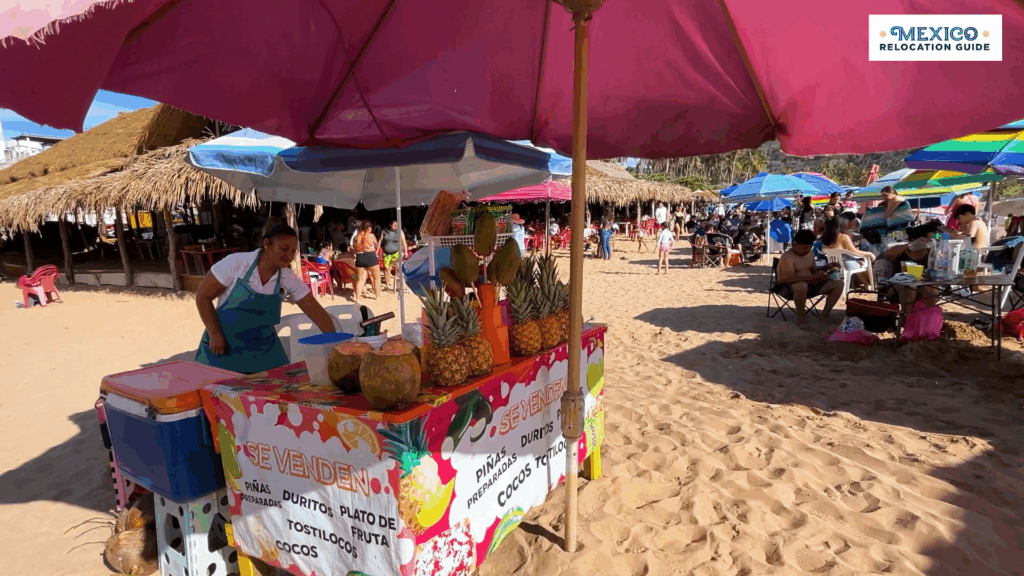
Staples like tortillas, fresh produce, and local seafood are affordable and excellent quality. Imported goods (specialty cheeses, health foods, international brands) carry steep markups. The culinary scene in Sayulita includes seafood, tacos, and local delicacies, with standout dishes like Tacos Al Pastor and Aguachile, a popular local seafood preparation. Mary’s Restaurant is known for its authentic Mexican cuisine, and La Rustica serves chilaquiles verdes, a savory breakfast option worth seeking out.
Eating out culture ranges from taco stands and ceviche carts to beach palapas and trendy cafés. With over 130 restaurants, many restaurants cater to tourists and price accordingly-frequent dining out can easily add US$500–800/month to your budget. A budget-conscious day might involve cooking breakfast and lunch at home from market produce and splurging on one affordable lonchería dinner. A social day might involve a café breakfast, lunch at a beach palapa, and dinner with live music at a shore-side restaurant.
Internet, Workspaces & Remote Work Viability
Internet reliability in Sayulita varies significantly by property. Newer builds with fiber connections offer solid speeds suitable for video calls and remote work. Older properties may rely on slower wireless setups. Always test connectivity before signing a lease-ask for a speed test, and check whether the landlord has a backup provider.
Common remote work setups include working from home rentals, certain laptop-friendly cafés, and Hotel Sayulita Central, which is a great co-working spot in town. Some digital nomads split time between Sayulita and nearby towns for variety.
Issues remote workers report include power outages during storms, noisy environments near Centro, and inconsistent speeds during peak usage hours. Mitigation strategies: carry a backup SIM hotspot from Telcel or AT&T Mexico, choose a quieter neighborhood if work requires concentration, and invest in noise-canceling headphones.
Schools, Families & Pets
Families with children have several options. Local public schools operate in Spanish, offering full immersion. Small private and bilingual schools exist in Sayulita and neighboring towns, and some expat families form learning pods or homeschool using US or Canadian online curricula. Childcare is typically found through word of mouth, community Facebook groups, or vetted local caregivers-there’s no large-scale daycare infrastructure.
Villa Los Corales offers family-friendly apartments and suites for families who want more space while getting established, and Sayulita’s beach-centric lifestyle provides endless outdoor activity for kids.
Many rentals allow pets, usually with an additional deposit. Sayulita has dog-friendly beaches, local veterinarians, and basic grooming and boarding options. Moving pets into Mexico requires current vaccinations and health certificates reviewed at the Puerto Vallarta airport-check airline rules well in advance. Mexico Relocation Guide includes detailed pet-relocation modules and vetted pet transporters for the Pacific coast region.
Community, Culture & Integration
The social landscape in Sayulita is rich and layered. Expat groups organize regularly, surf and yoga communities overlap, and volunteering opportunities-beach cleanups, turtle conservation, community education projects-offer meaningful ways to connect. Cultural events like Día de Muertos celebrations, local patron saint festivals, and artisan markets in Sayulita showcase handmade crafts and Huichol art, keeping traditional culture visible and accessible.
Integrating respectfully means learning at least basic Spanish, supporting local businesses, understanding that fireworks and music at celebrations are deeply rooted cultural norms (not just “noise”), and tipping generously. Sayulita’s popularity attracts a diverse mix of travelers, which means the social scene is constantly refreshed-but long-term residents who invest in local relationships find the most rewarding experience.
Online spaces where newcomers connect include local Facebook groups, WhatsApp chats, and Mexico Relocation Guide’s private community, which helps reduce isolation and provides answers from people who’ve already navigated the transition.
Getting To and Around Sayulita Town
How you reach Sayulita from abroad and how you navigate daily life without necessarily owning a car are practical questions that shape your experience from day one.
Arriving from Puerto Vallarta, Guadalajara & Beyond
Most international visitors fly into Puerto Vallarta International Airport (PVR). From the airport to Sayulita, you have several options:
- Taxi: Taxi fares from Puerto Vallarta to Sayulita are about $60 USD, with the trip taking 45–60 minutes depending on traffic.
- Uber or private transfer: Uber rides from Puerto Vallarta to Sayulita cost around $40–60 USD. Pre-booked private transfers are ideal for families or travelers with heavy luggage.
- Shared colectivo vans from Puerto Vallarta take about 45 minutes and are significantly cheaper.
- COMPOSTELA buses: Buses from Puerto Vallarta to Sayulita cost around $3–4 USD-catch them at designated stops off Highway 200 for the most affordable option, though schedules are less frequent.
From Guadalajara or other major cities, long-distance bus companies such as Vallarta Plus offer service, though the trip takes 6–7+ hours. Most people find flying into PVR the most efficient route.
Getting Around Sayulita Town Without a Car
Central Sayulita is highly walkable. From the plaza to the main beach is just a few minutes on foot. Playa de los Muertos on the south end is a short walk from Centro. The north end requires more effort uphill. Many long-term residents don’t own cars at all.
Local transport options include:
- Golf cart rentals: Popular and practical for navigating steep cobblestone hills, with daily rates typically US$30–80 depending on cart size. Not all roads accommodate them, and hills can be challenging.
- Local taxis: Small-town taxistas are available; negotiate price in advance as meters aren’t always used.
- Regional buses and colectivos: Cheap, reliable connections to San Pancho, Bucerías, and Puerto Vallarta for shopping, medical appointments, or visa errands.
Owning a car in Sayulita involves dealing with steep narrow streets, frustrating parking constraints, and maintenance costs that often outweigh the benefit for daily life. Many expats rent a car only when needed for road trips or large supply runs.
Day Trips & Nearby Towns to Know
Several nearby destinations matter to residents, not just visitors:
- San Pancho: About 15–20 minutes north, this quieter hidden gem offers an arts scene, additional dining, and a more relaxed pace-perfect for days when Sayulita feels too busy.
- Bucerías / Nuevo Vallarta: 30–60 minutes south along the bay, providing access to large supermarkets, major hospitals, international banks, and mall shopping.
- Punta Mita: Along the coast, offering luxury resorts, golf courses, and additional stunning beaches. Useful for special outings and accessing higher-end services.
- La Cruz de Huanacaxtle: Home to a marina and excellent weekly market, worth the 40-minute drive for fresh produce and seafood.
For nature lovers, day trip options expand further: Playa Carricitos is a stunning beach about 40 minutes from town, La Lancha beach offers more secluded surf breaks, and boat tours to the Marietas Islands provide world-class snorkeling and wildlife viewing. Sayulita hosts a variety of outdoor activities including jungle hiking, whale watching in winter months, horseback riding along the beach, ATV tours through surrounding hills, and zip lining through the jungle canopy. Visit Sayulita in different seasons and you’ll explore different facets of the region entirely.
Common Challenges of Living in Sayulita Town (and How to Handle Them)
The Instagram version of Sayulita leaves out some realities. This section is deliberately honest-but every challenge here has workable solutions.
Noise, Crowds & Party Culture
Late-night music from bars near the plaza, festival fireworks, roosters at dawn, and barking dogs are standard in Sayulita, especially during high season. Holiday weeks (New Year’s, Semana Santa) intensify everything. Practical solutions: choose a street set back from the main square when renting, visit potential accommodations at night before signing a lease, use earplugs or a white-noise machine, and consider timing extended stays outside peak weeks. Rainy season offers the quietest months.
Infrastructure Strain: Water, Trash & Power
Rapid growth has strained Sayulita’s infrastructure. Hillside homes sometimes have weak water pressure or temporary outages. Electrical outages occur during storms. Trash and recycling challenges become visible in high season. Actionable tips: ask landlords about water storage tanks (tinacos) and backup pumps, verify the internet provider’s reliability before committing, keep emergency supplies including jugs of drinking water, and participate in or support local beach cleanup efforts.
Tourist Pricing & Budget Creep
It’s remarkably easy to slip from a “living abroad” budget to a “vacation” budget. Beachfront restaurants, imported goods, daily golf cart rentals, and paying in US dollars with poor exchange rates all accelerate spending. Workarounds: establish a weekly cash budget in pesos, shop at local tiendas and markets, eat at loncherías where locals go, negotiate long-term rental rates, and always ask prices up front before ordering or booking.
Immigration & Legal Missteps
Common and costly mistakes include overstaying permitted days, working online for local clients without proper authorization, buying property on irregular ejido land, or trusting unvetted “fixers” for immigration paperwork. Clear counter-advice: work with licensed immigration facilitators and reputable attorneys, keep copies of all entry stamps and documents, get contracts and receipts in Spanish (not just English), and verify property title before any purchase.
Mexico Relocation Guide exists specifically to prevent these expensive errors by providing step-by-step instructions and trusted local contacts across the Riviera Nayarit.
Conclusion and Next Steps
Sayulita town offers a compelling combination: a walkable beach lifestyle, strong surf culture, genuine Mexican charm, and one of the most active expat communities on Mexico’s Pacific coast. The trade-offs are real-higher costs than inland Mexico, seasonal crowds and noise, infrastructure limitations, and the need for proper legal residency-but they’re manageable with realistic expectations and good preparation.
The main takeaway: with proper residency, a tested budget, and reliable local support, Sayulita can be an excellent base for retirement, remote work, or an extended sabbatical in one of the world’s most appealing small towns.
Your concrete next steps:
- Visit Sayulita in two different seasons before committing-high season and rainy season feel like different towns entirely.
- Test-live for 1–3 months in your preferred neighborhood to experience daily realities beyond the honeymoon phase.
- Start your residency visa process at a Mexican consulate in your home country well before your planned move date.
- Explore the accommodations that fit your style-whether that’s Villa Amor with its 26 unique oceanfront villas, Petit Hotel Hafa located two blocks from the beach, Hotelito Los Suenos with its two swimming pools and free boogie board rentals, La Redonda Hostel popular among backpackers for its location, or any of the many hotels and rentals in between.
- Join Mexico Relocation Guide’s community or book a private relocation tour in Riviera Nayarit to see the region with expert guidance.
Related topics worth exploring next: in-depth guides to Puerto Vallarta region living, comparisons of quieter coastal towns along the Nayarit coast, a detailed residency visa tutorial, and nationwide cost-of-living comparisons to help you decide if Sayulita-or somewhere else in this vibrant country-is the crown jewel destination for your next chapter.
Additional Resources for Planning a Move to Sayulita Town
This optional section consolidates the most useful tools and references for serious planners:
From Mexico Relocation Guide:
- The Complete Mexico Relocation Guide course with updated lessons on visas, cost of living, coastal real estate, healthcare, and banking
- Directory of vetted immigration facilitators, real estate agents, health insurance brokers, and relocation tour guides across Riviera Nayarit and Puerto Vallarta
- Private relocation tours for hands-on exploration of Sayulita and surrounding towns